Fashion Influencers
Fashion these days isn’t just about what you wear; it’s a lifestyle and a means of being able to express who you are. Social media for Gen Z is not just where you hang out, but it’s where trends are born and fashion idols emerge. At the heart of this online fashion revolution are fashion influencers.
Who Are Fashion Influencers?
Have you ever wondered when the word “influencer” became popular? These days, this word is everywhere.
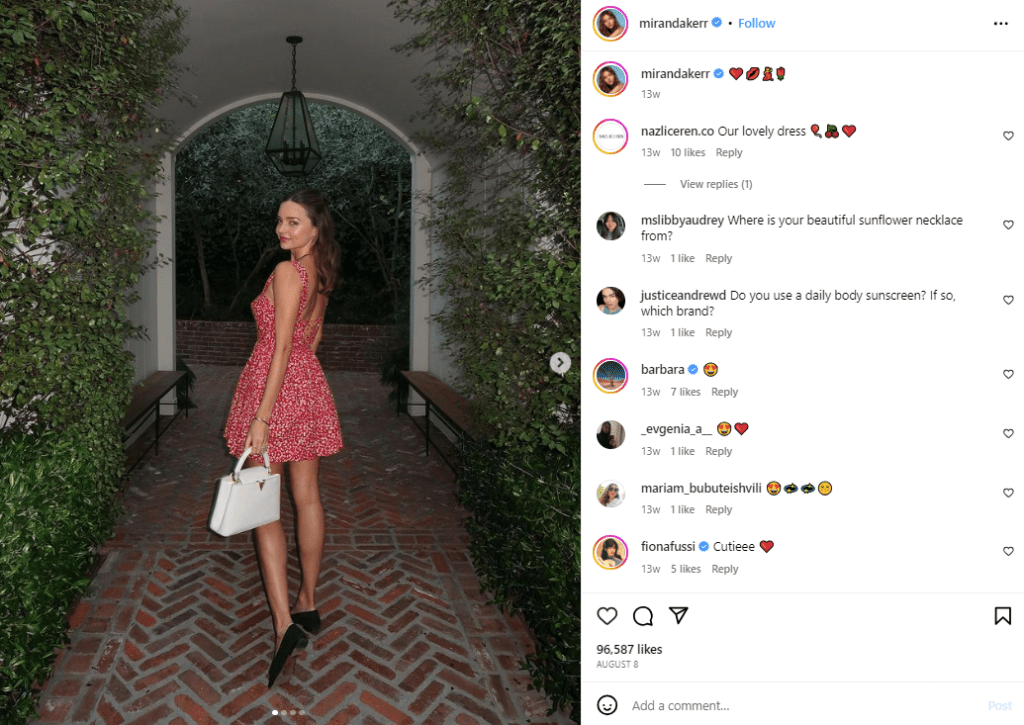
Before the social media era, people often got fashion inspo from magazines, famous people like celebrities, or models. That can also be called the pre-influencer era. But when social media platforms like Instagram, TikTok, YouTube, and Facebook come, things change. Suddenly, anyone, whether student, employee, or even businessperson, who shares content like fashion style, makeup tutorials, lifestyle, or other things gains followers. That’s how the era of the influencer began.
But the big boom of the word influencer actually came during the COVID-19 pandemic, when the actual shops were closed because of lockdowns and people spent time mostly online. They use this time to find something to watch, like fashion inspiration and new ways to shop. Influencers are not just people who share something, but they are someone who influences others and creates an impact on them. From nobody to somebody who becomes recognised, their voices matter in shaping how people think.
Fashion influencers can be anyone who became famous by posting content like Get Ready With Me (GRWM) videos, Outfit of the Day (OOTD) videos, and style tips.
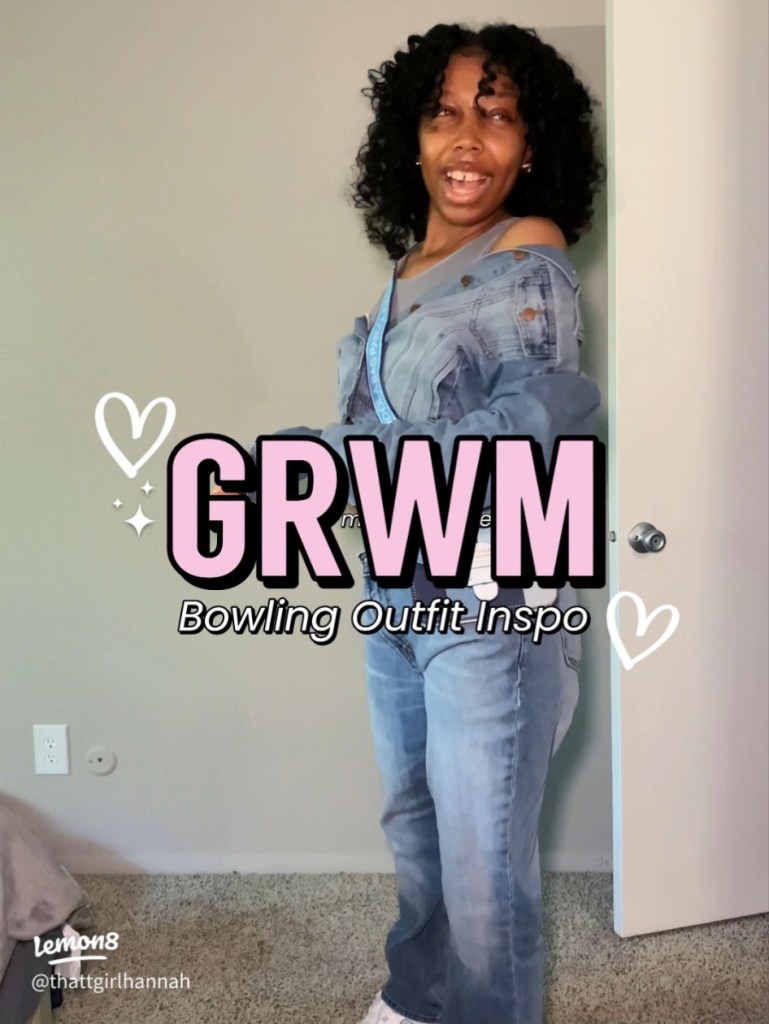
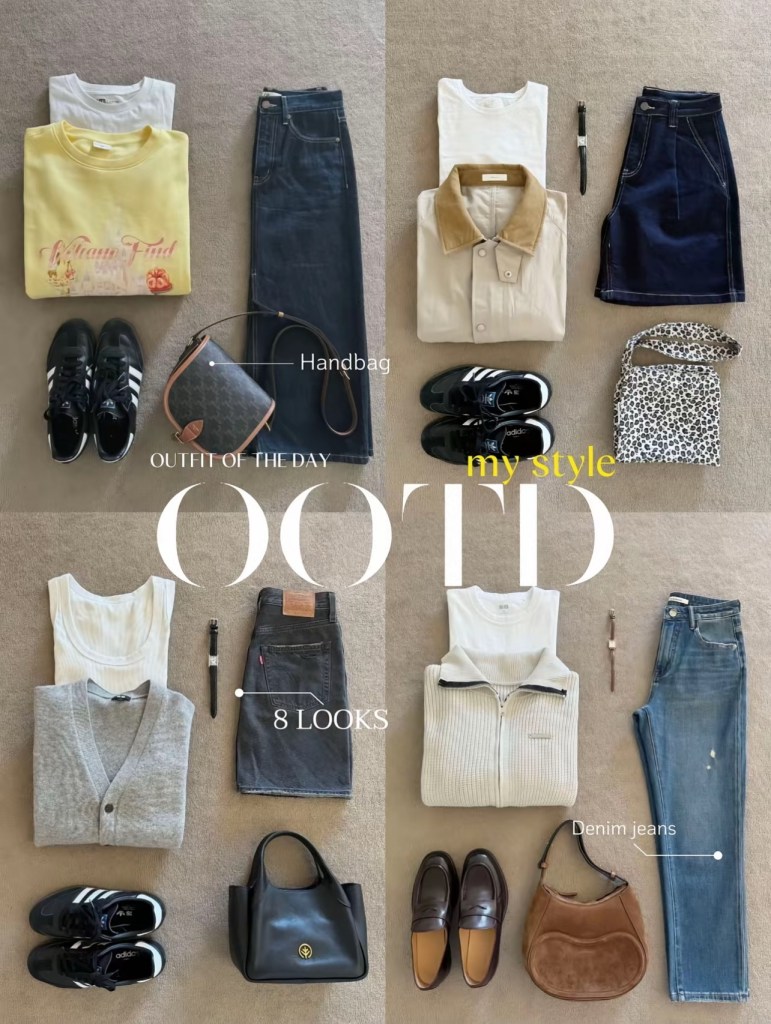
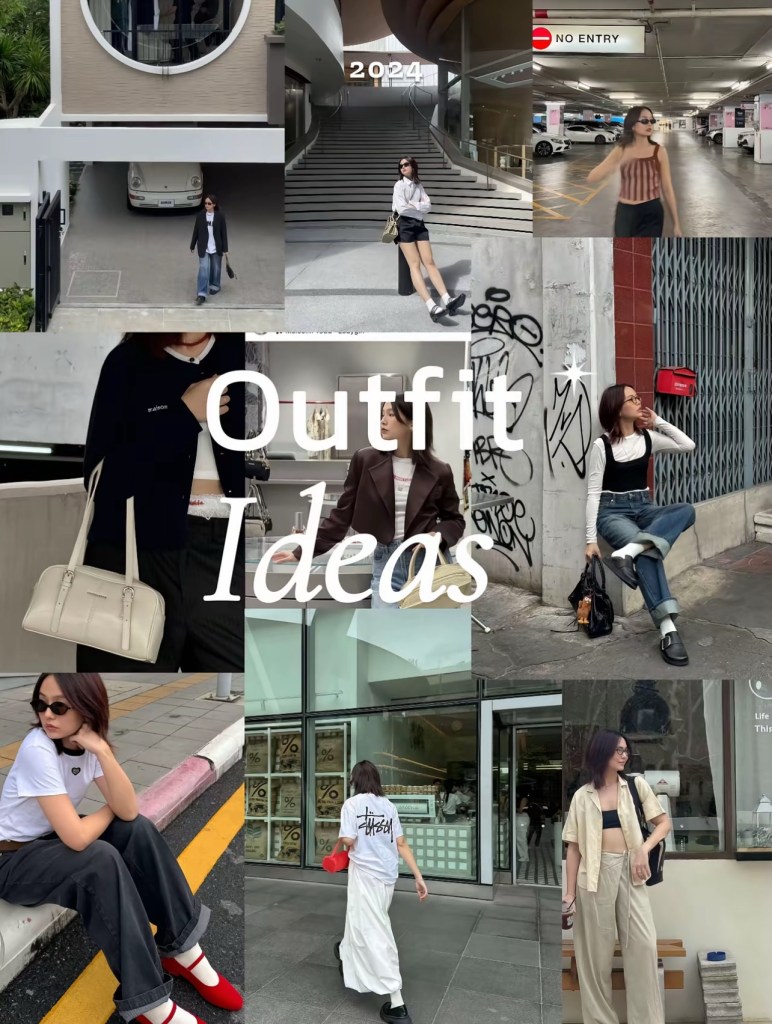

According to the Morning Consult (2023), over 54% of Gen Z spend at least four hours daily on social media, making platforms a major place for trend exploration. Thus, influencers have immense power in shaping audience trends.
Why Do Gen Z Trust Influencers?
Gen Z is known for valuing authenticity. They prefer creators who aren’t hesitant and show their true selves to appear sincere instead of 100% perfect. Fashion creators who have an open mind and genuinely talk about their body types, budgets, or personal self-image issues are more likely to appeal to and attract faithful followers who feel they can relate with them or even find them trustworthy.
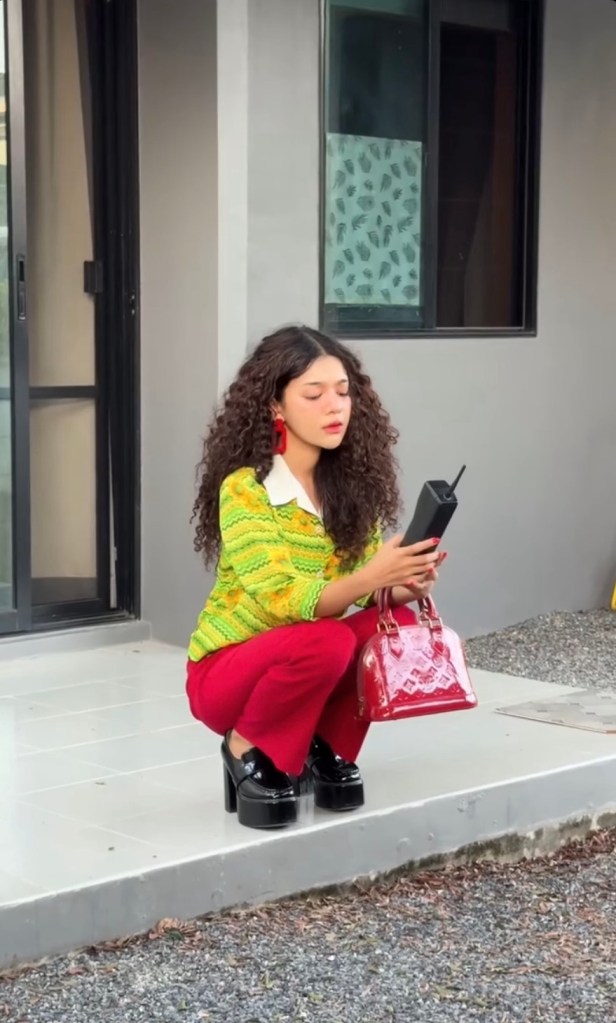
For example, Sayamo, a Thai influencer with over 3 million followers on TikTok and is one of Thailand’s popular fashion influencers. She has a unique, playful, and trendy style. Whether she mixes trendy looks with her own unique style or shares makeup tips, it makes her content feel both creative and authentic. Sayamo wasn’t born famous, but she built her fan base by being herself, and that’s what makes her so powerful among Gen Z viewers.

Influencers and the Shopping Mindset
Influencer marketing happens whenever they tag brands in their stories, share a fashion haul, or release coupon codes. However, because influencers sound like friends, Gen Z tends to connect more emotionally to their recommendations. Most followers would likely wish to purchase the same outfit if their favorite influencer wore it and shared it on social media.
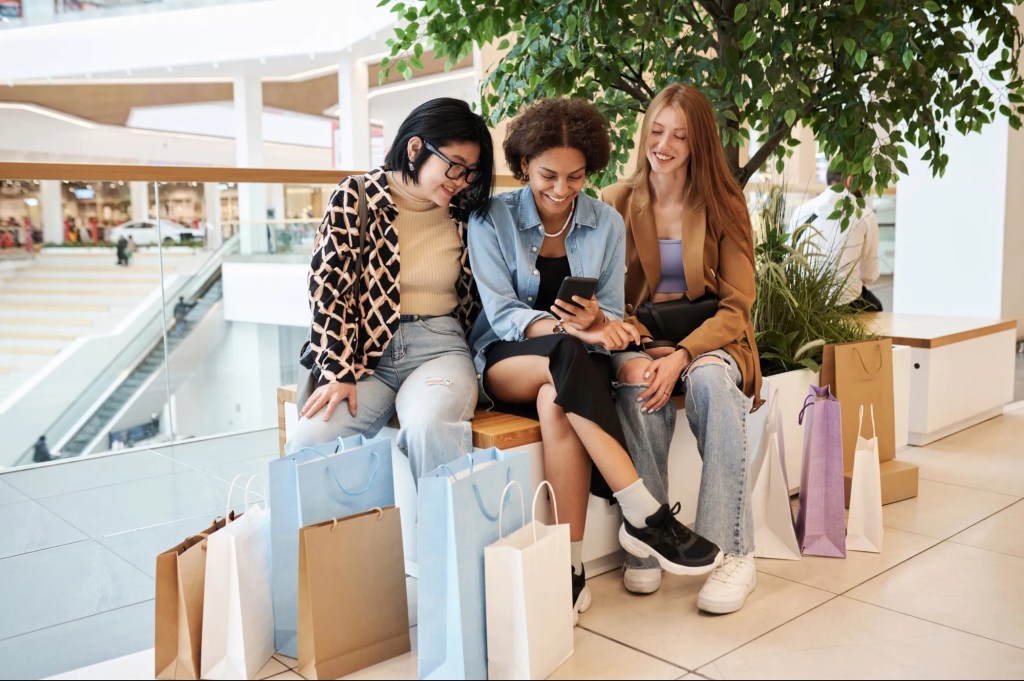
This ongoing exposure has the potential to result in impulse purchases. Gen Z are always being encouraged to buy without realising that influencers play a big impact on their lives. Influencers recommend you to have this and that, or just using it themselves may have a bigger influence on audience consumers behaviour than traditional advertising. This indicates that the influence of influencer culture has a huge effect on the young generation.
The Pros and Cons of Influencer Culture
There is no question that influencers have helped numerous Gen Z consumers discover their style, build confidence, and feel represented in fashion. Teens learn about gender identity, culture, and self-expression through fashion content, which is something that older generations did not get from magazines or TV advertising.
However, there is a downside as well. Some people may feel insecure or excluded due to the pressure to keep following the fast changing fashion trends. Influencers’ posts may promote unintentionally harmful spending habits or unrealistic fashion and beauty standards. When every scroll leads to another “must-have” item, it can be difficult to avoid purchasing more than we require.
The Rise of Micro-Influencers
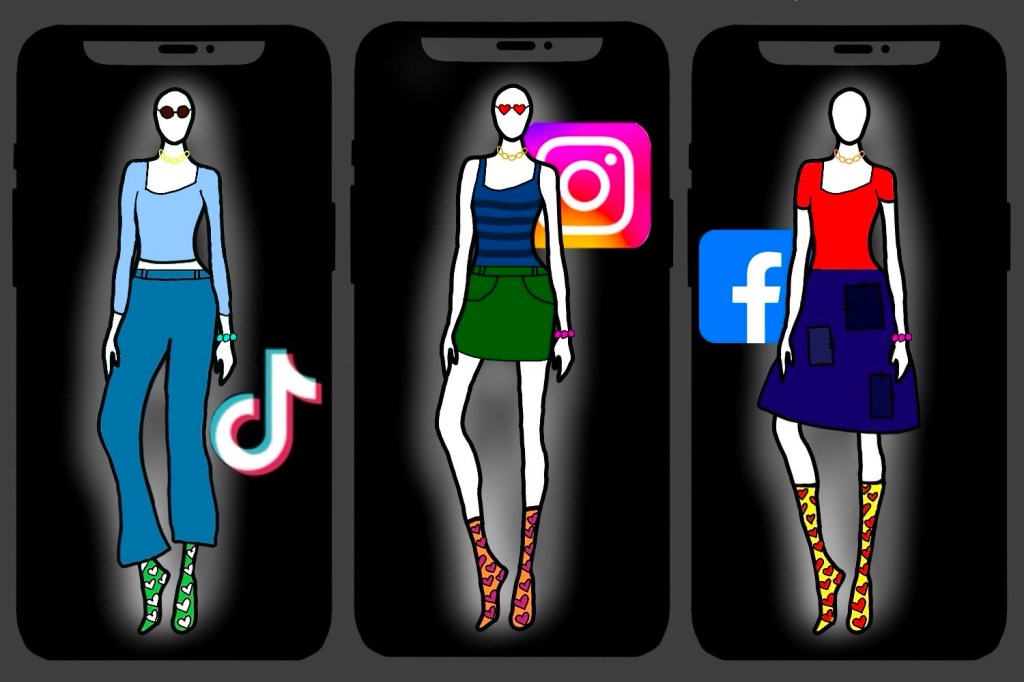
Unexpectedly, Gen Z is also turning to micro-influencers, content creators with smaller followers (around 10K to 100K), because this group of influencers typically appear more approachable. These influencers make content that is more useful and inspiring for everyone since they post about everyday looks, secondhand discoveries, or inexpensive outfit ideas.
Conclusion
Fashion influencers engage Gen Z with clothes and trends and identity. However, keep in mind to follow for inspiration, not comparison, and be inspired, not influenced to overspend.
In the next blog, we’ll dive deeper into how influencers promote identity through outfits and how they help Gen Z feel seen and confident in who they are.

 Fashion
Leave a comment