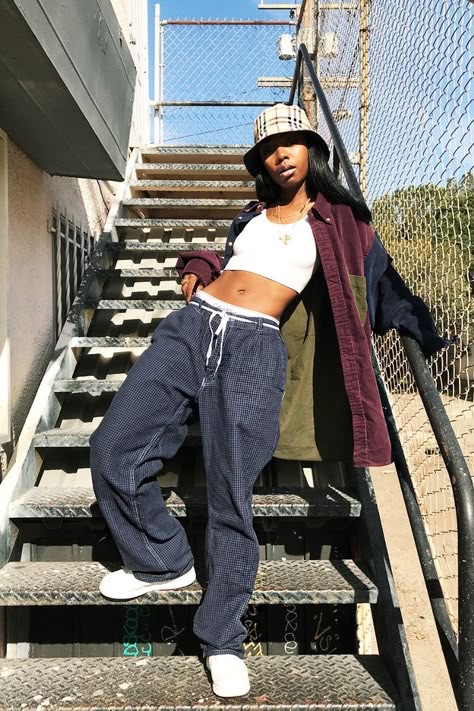
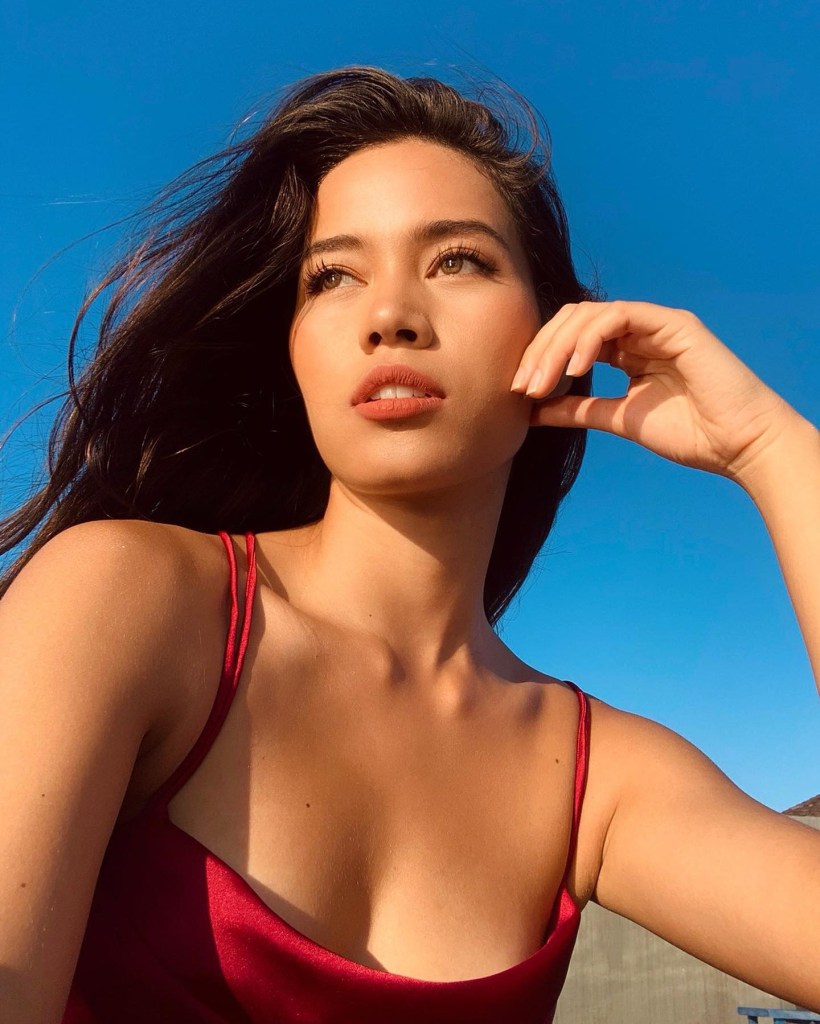
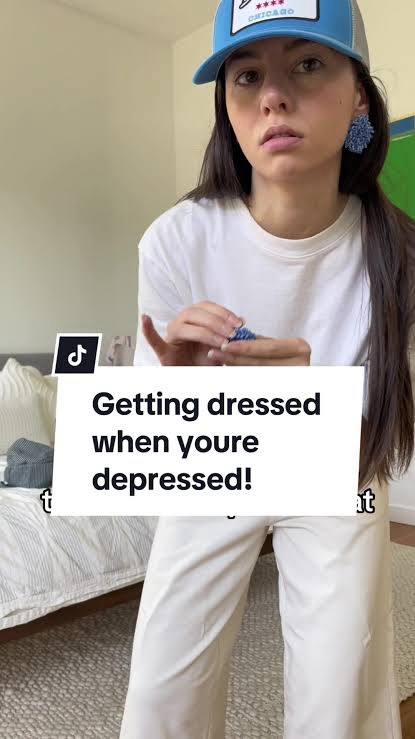
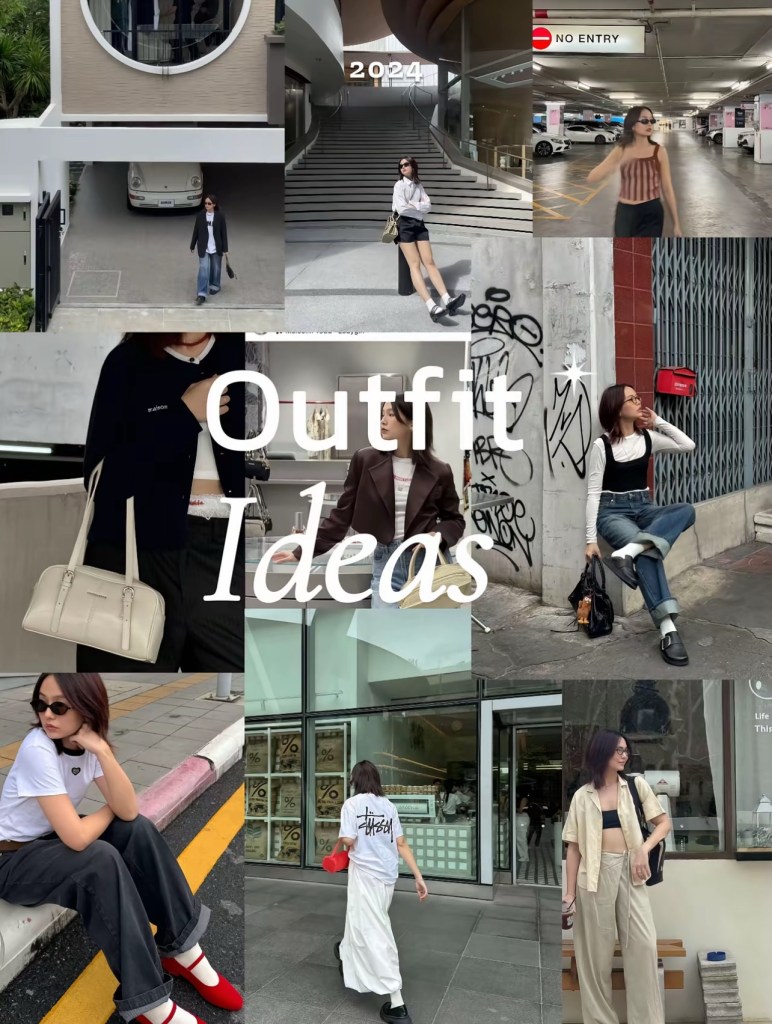
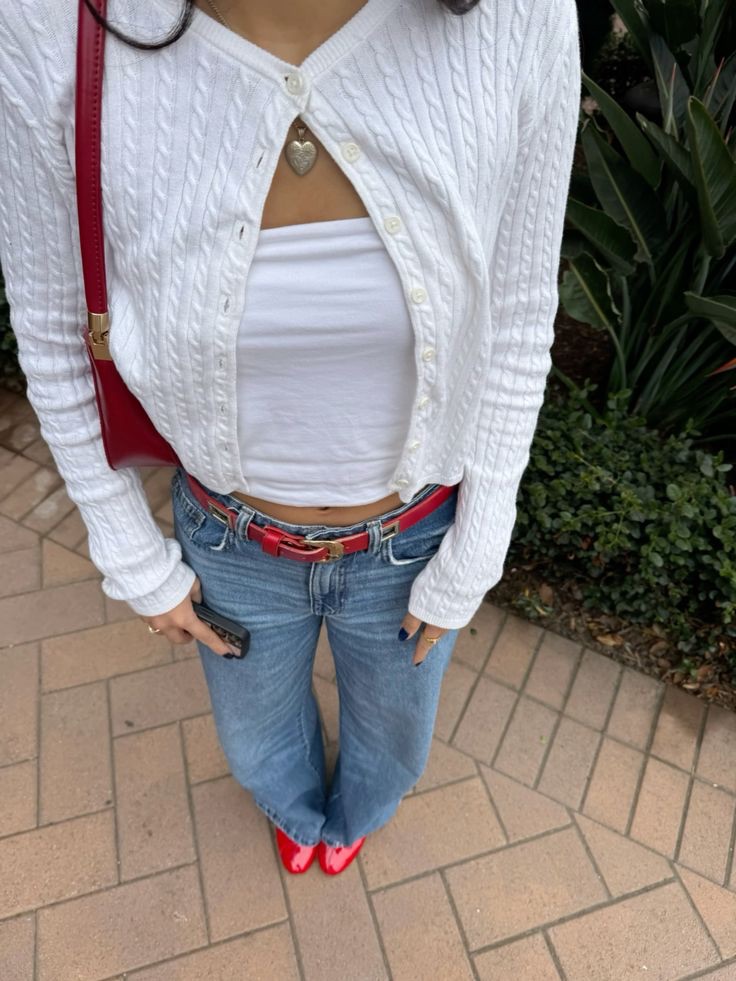
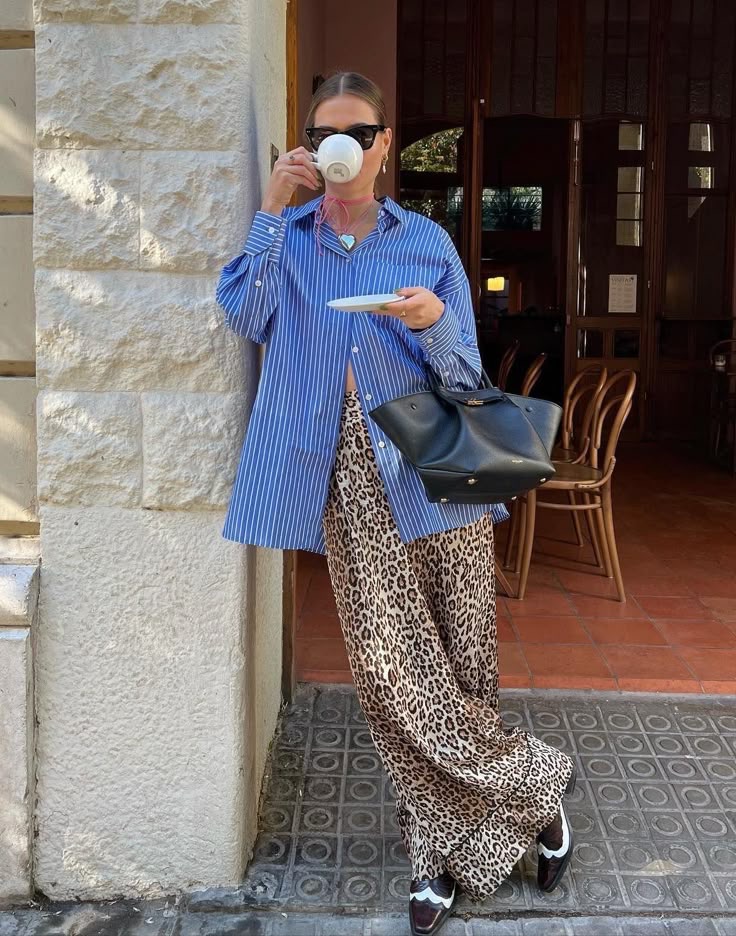
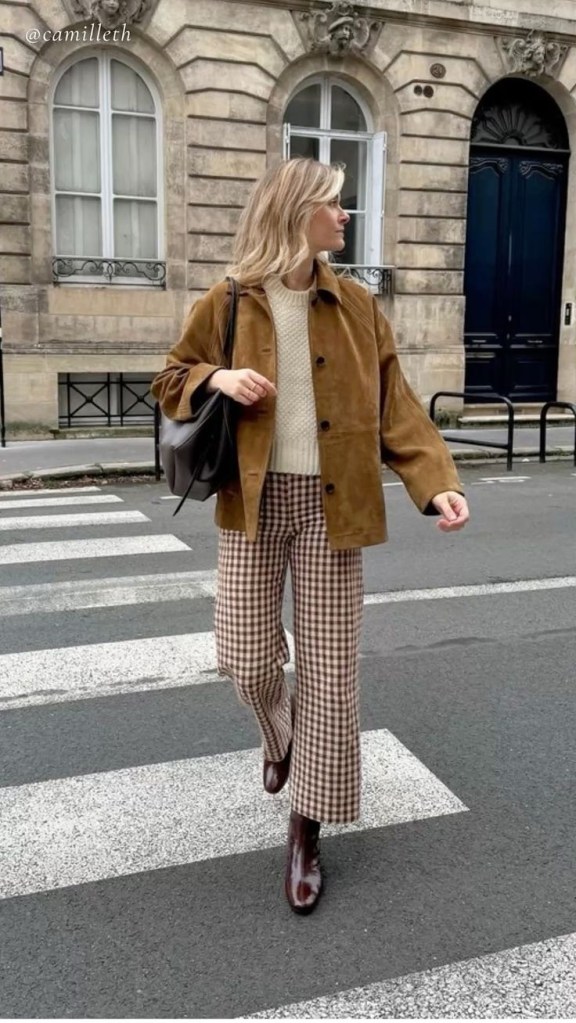
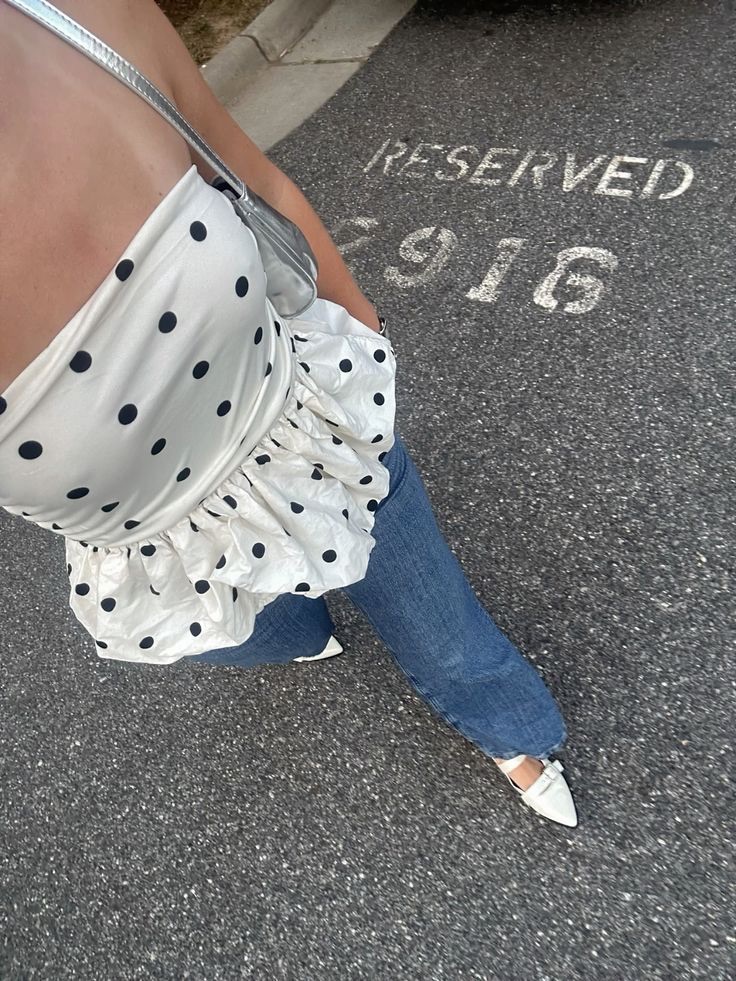
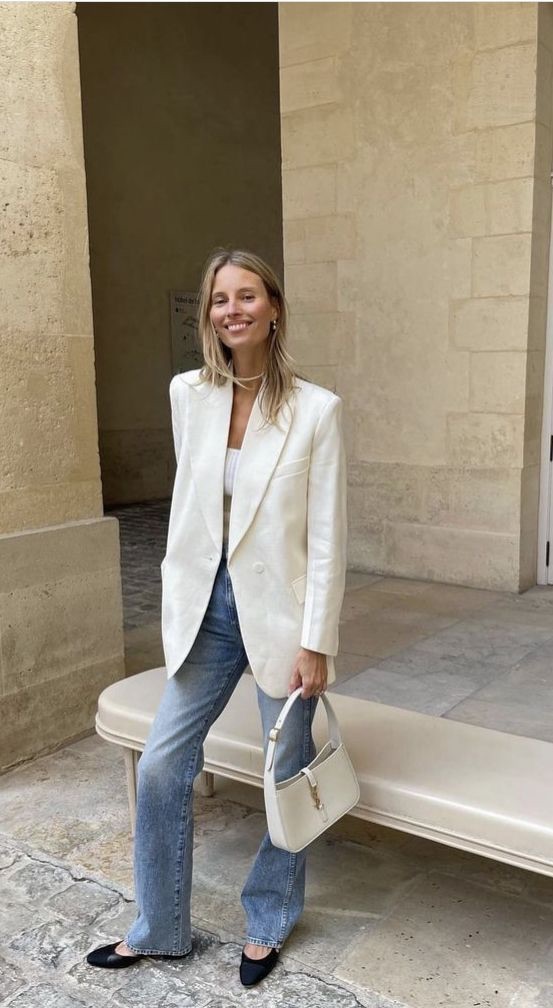
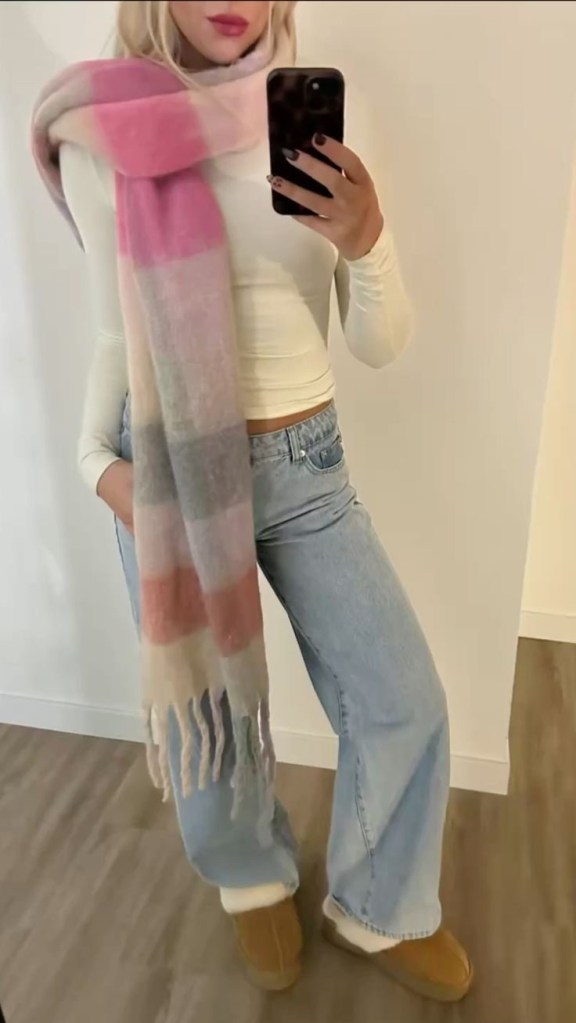
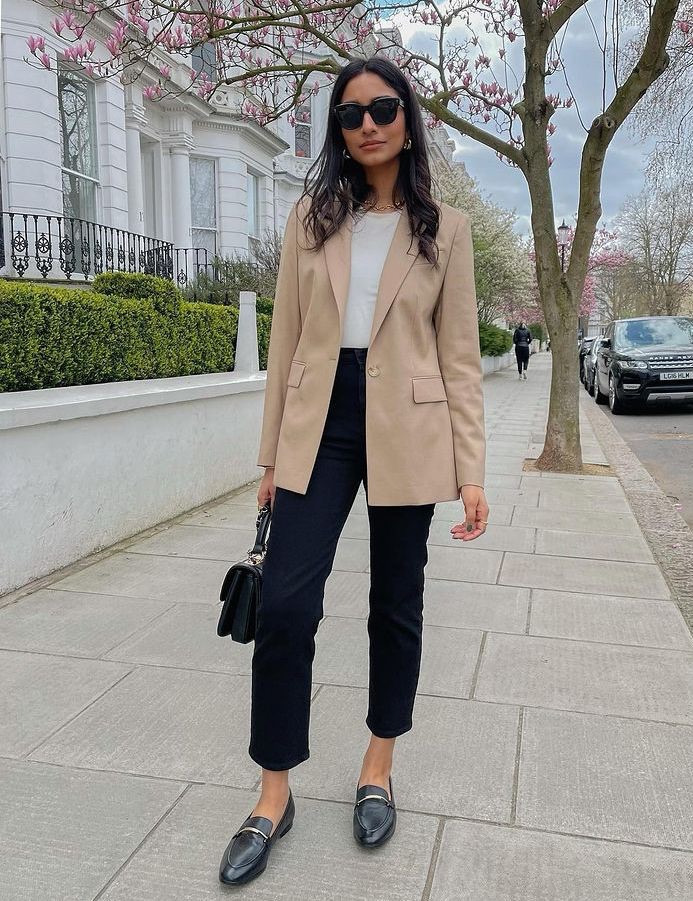
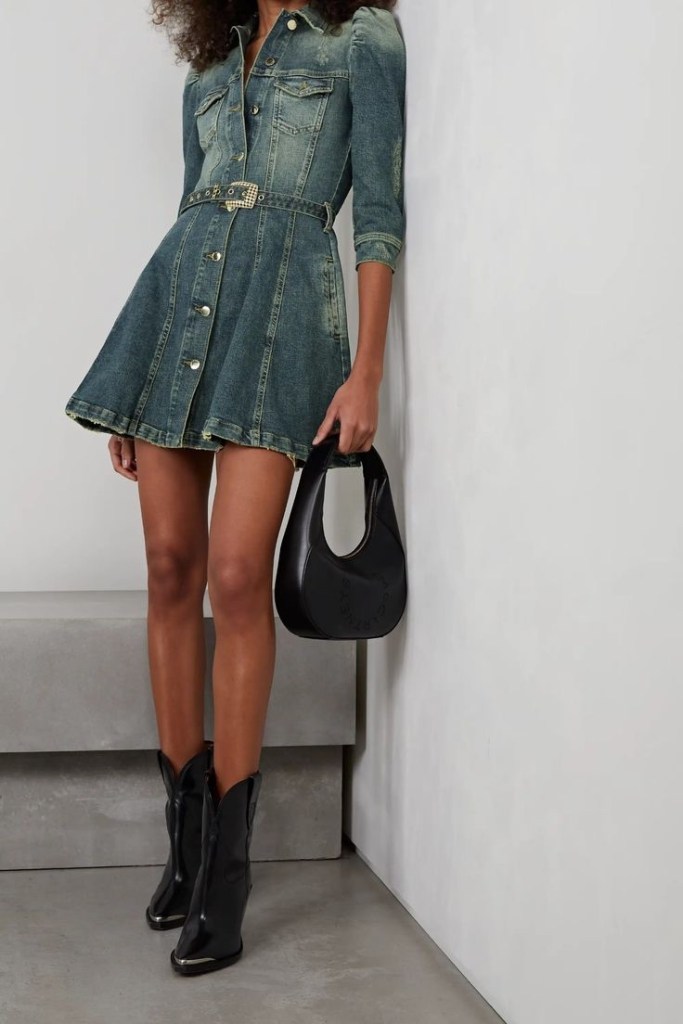
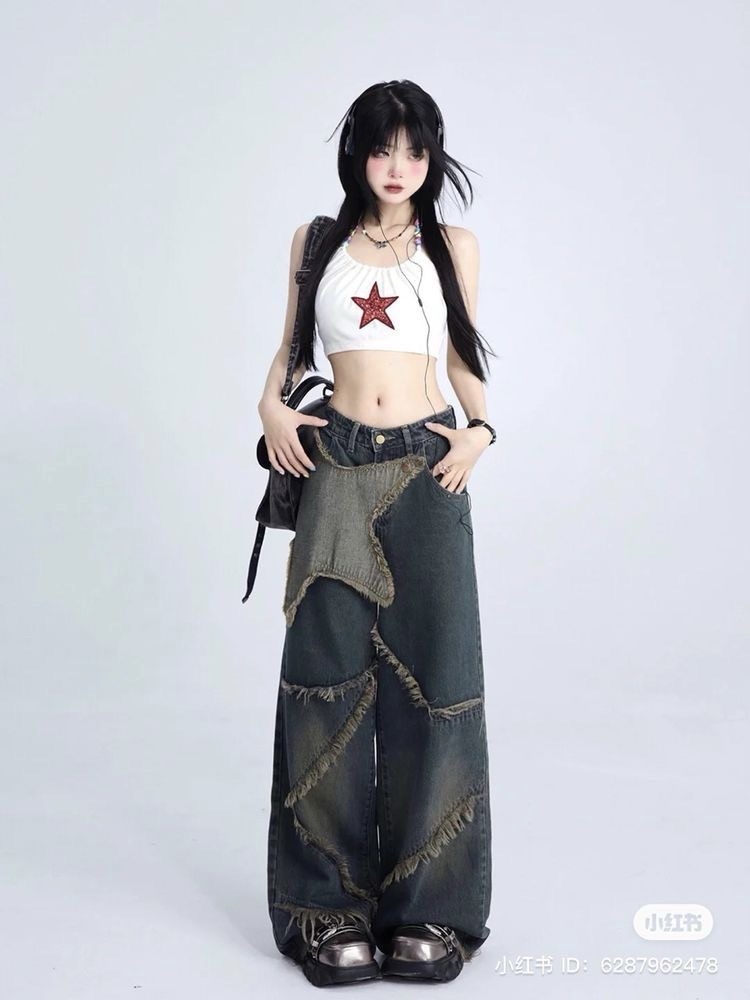
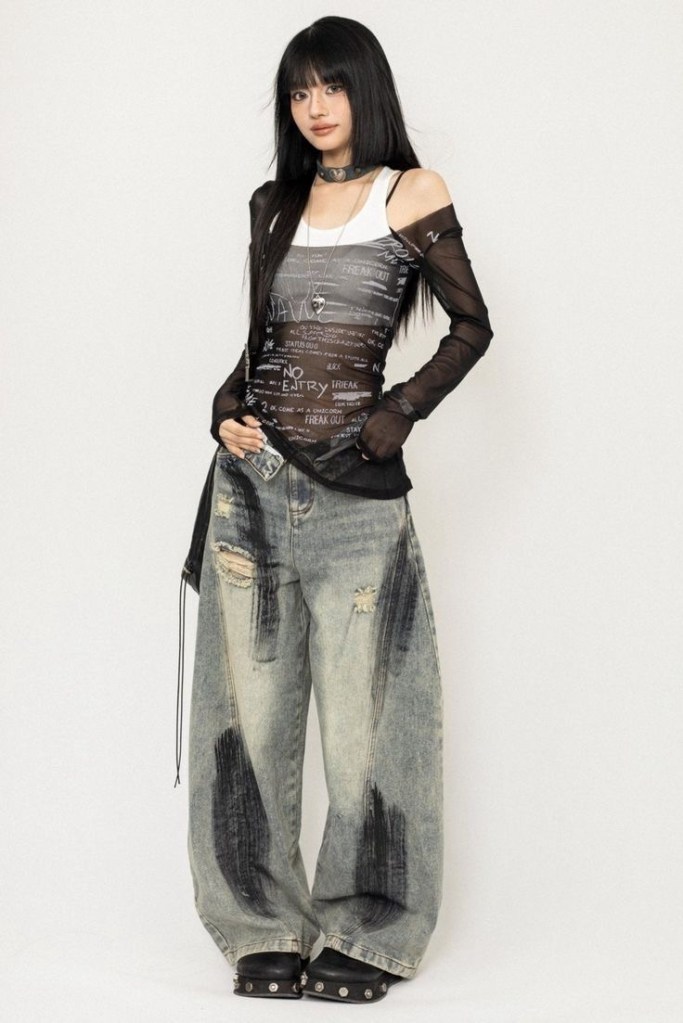
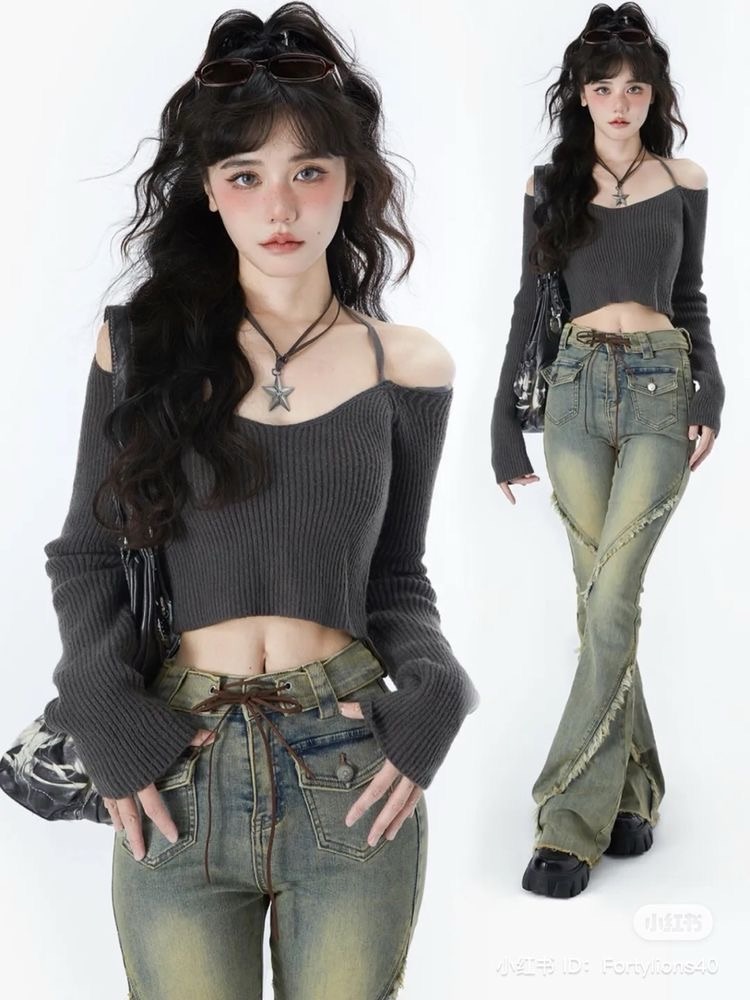
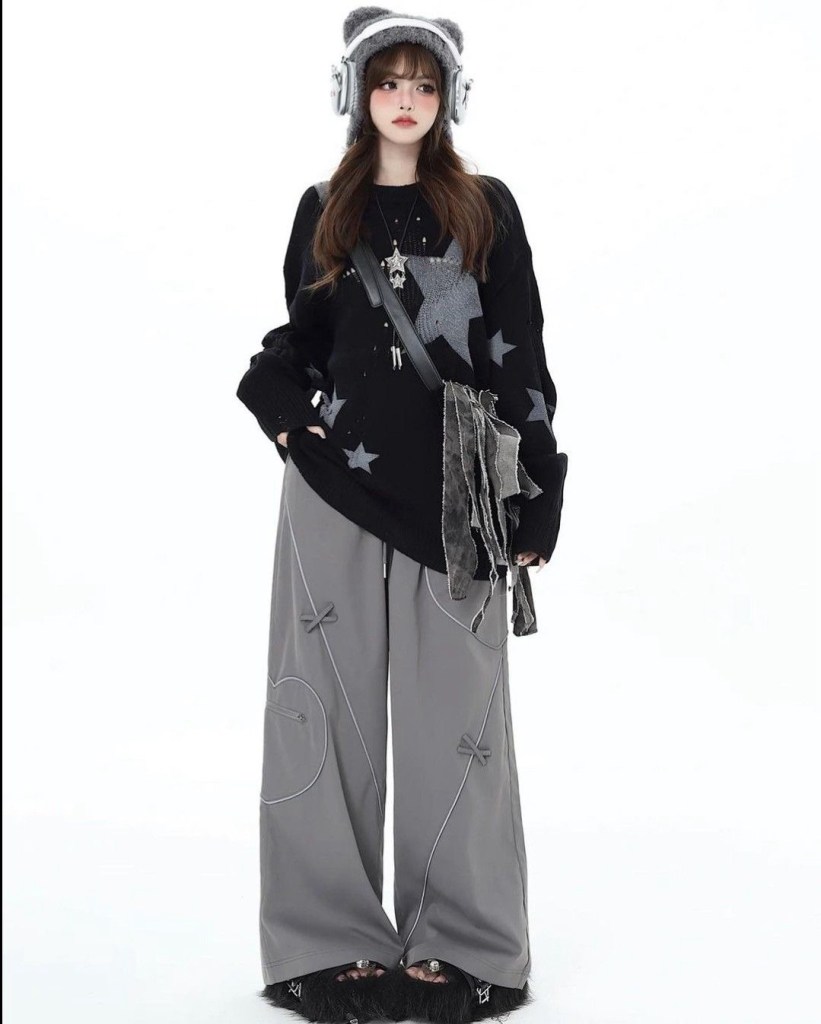
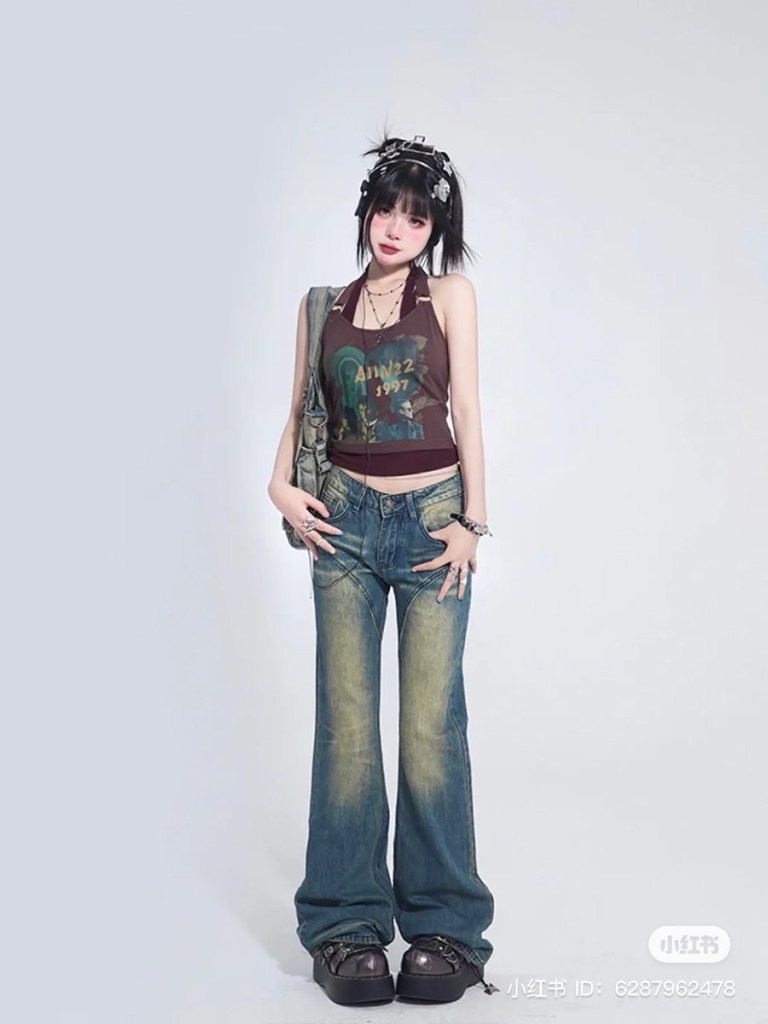
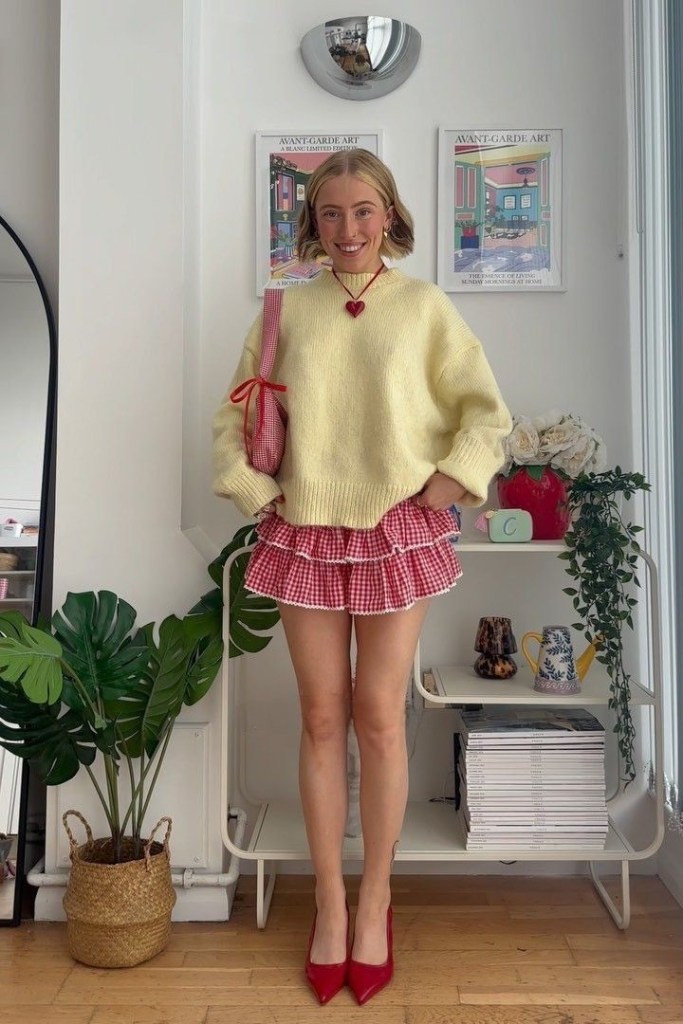
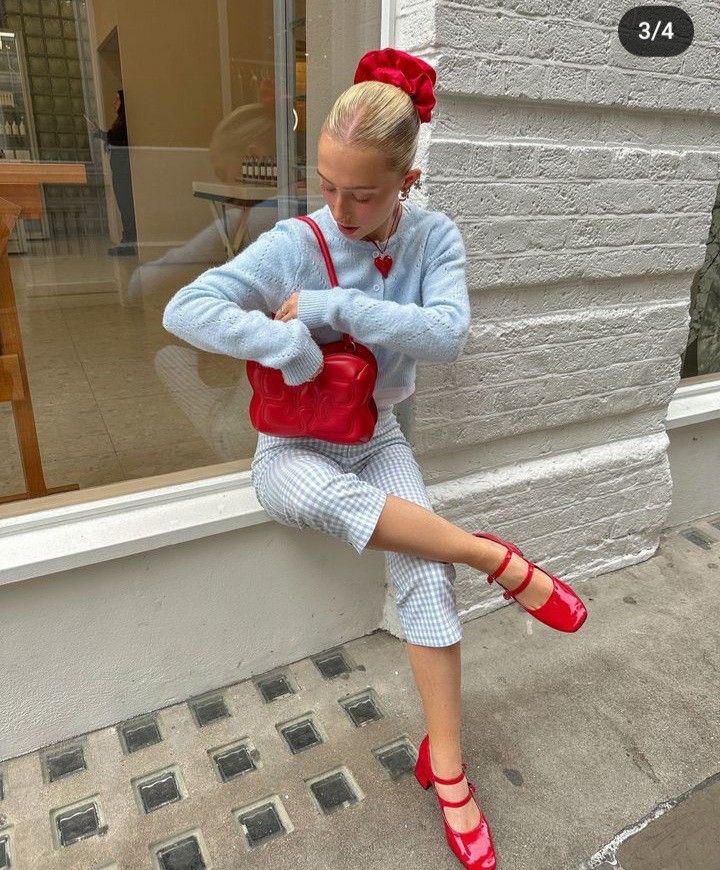
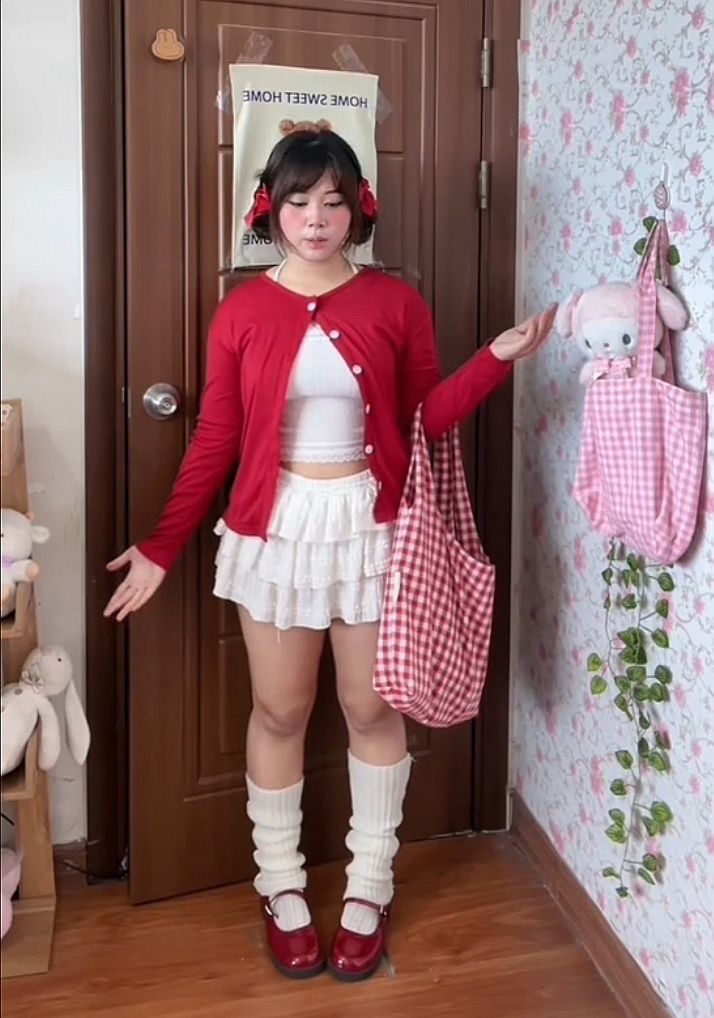
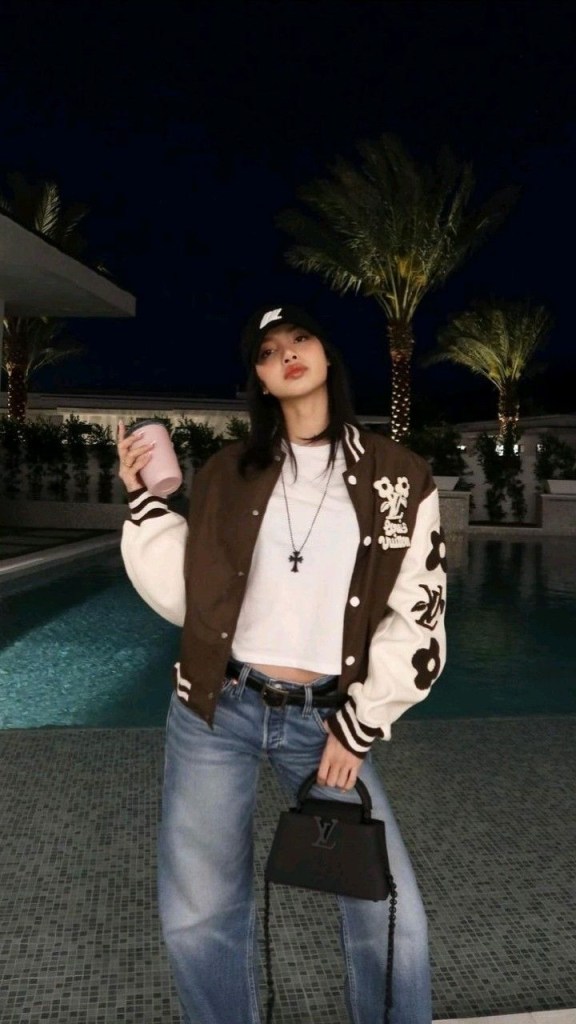
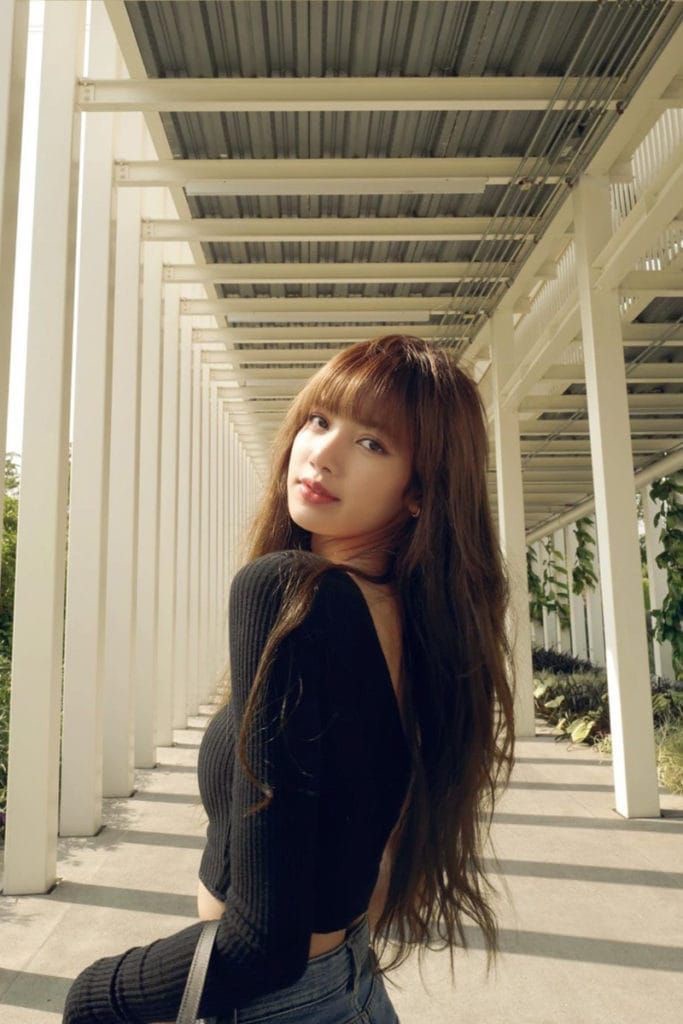
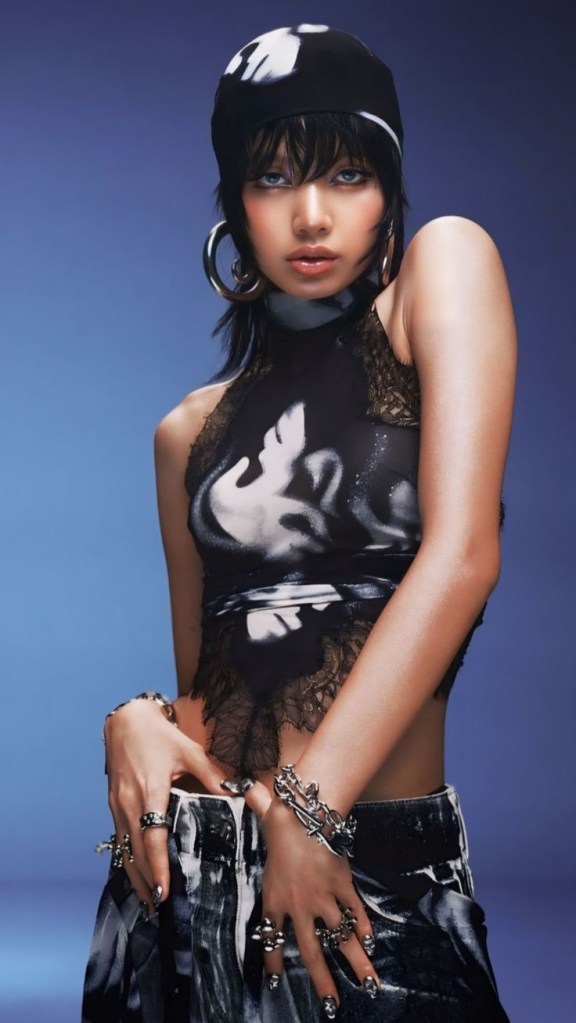
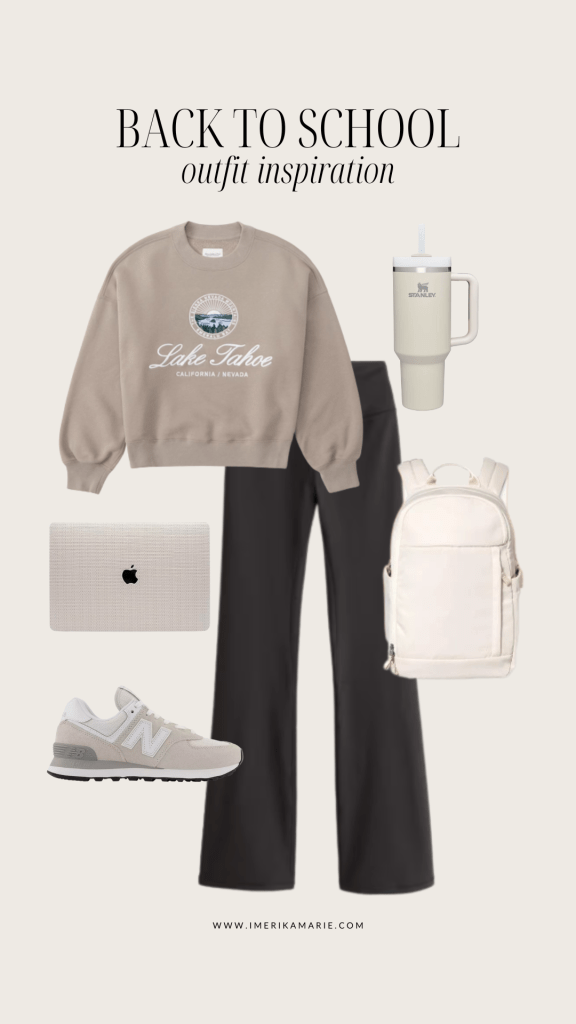
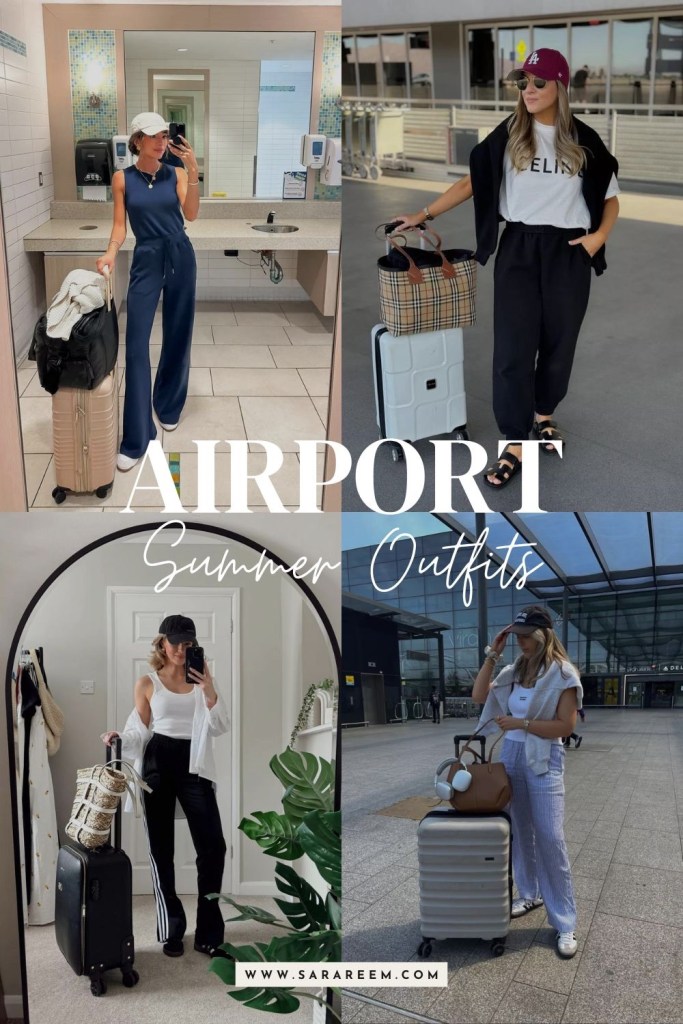
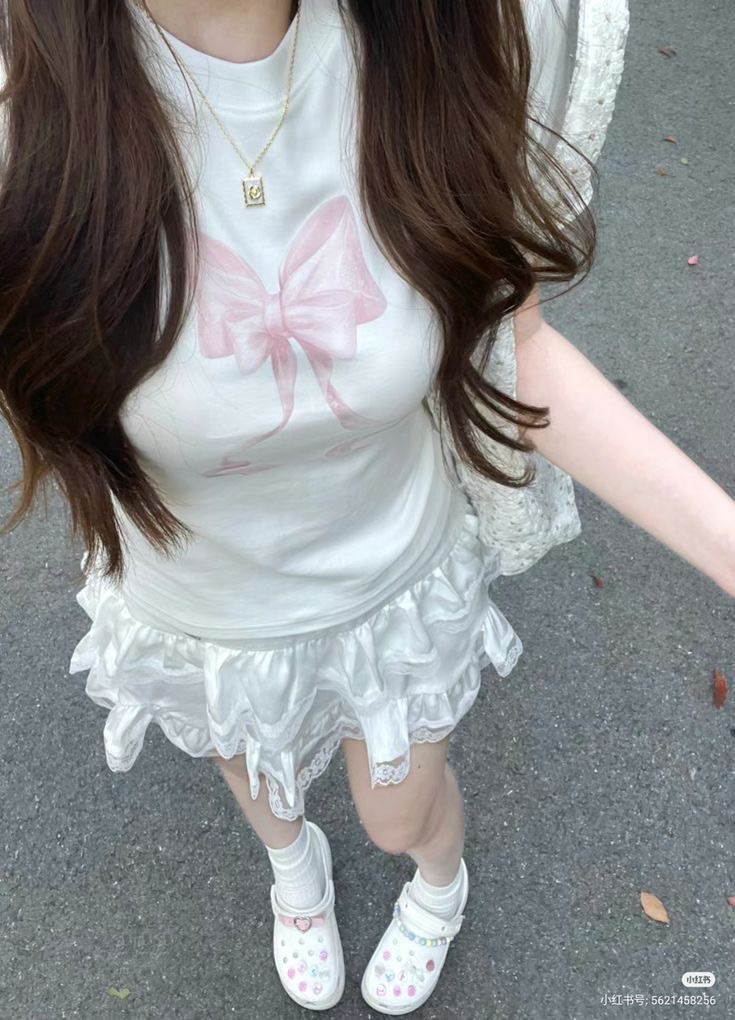
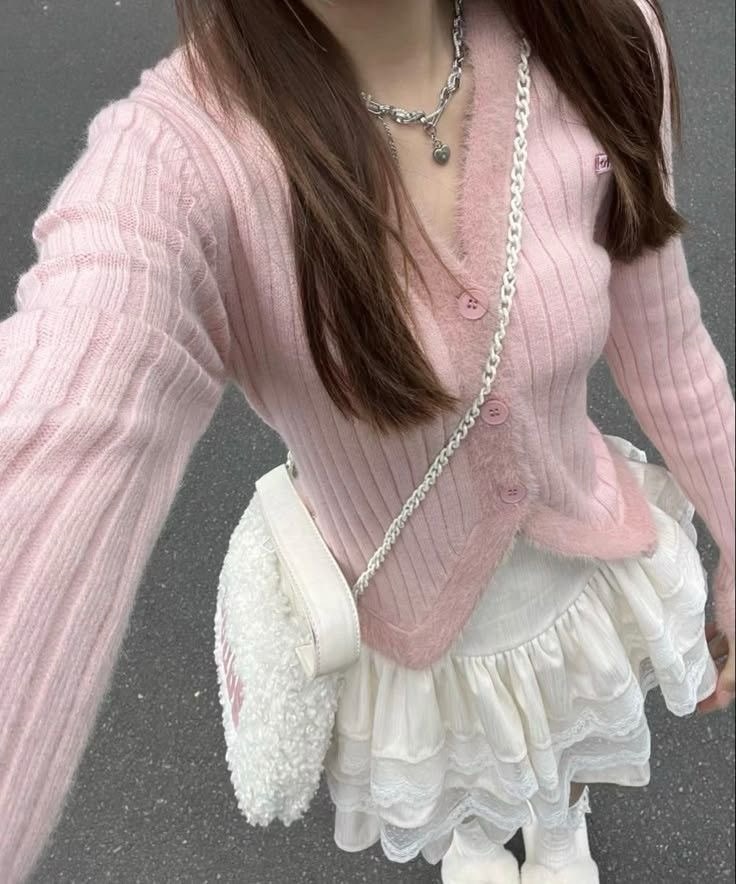
• The Rise of Micro-Trends and personal style

    Fast fashion will not be this fast if it does not have micro trends.

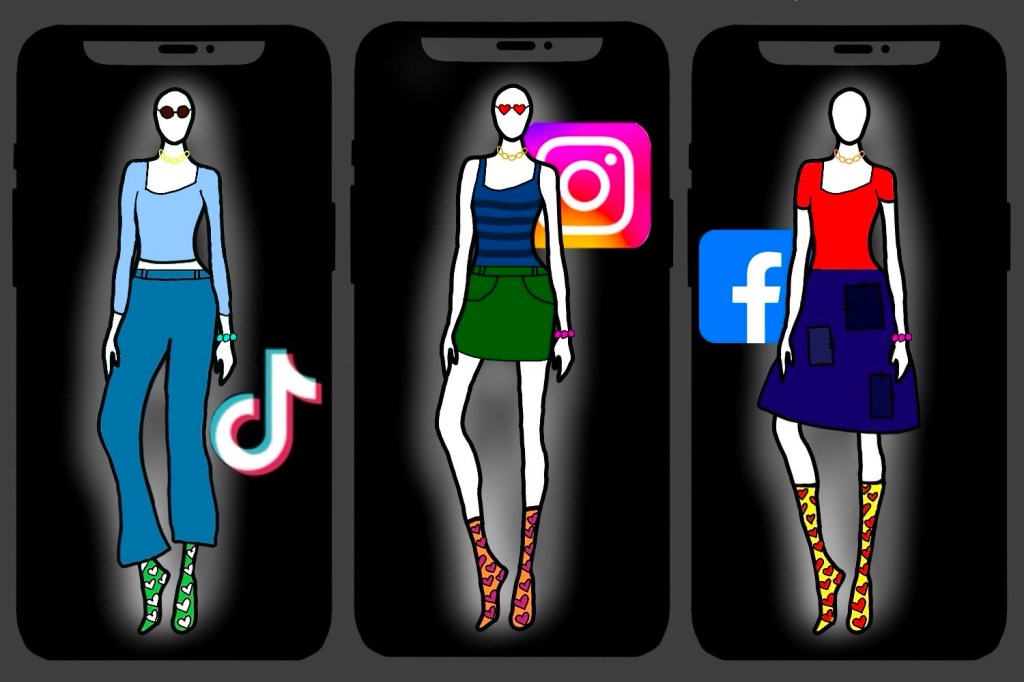
    But What Are Micro-Trends? Micro-trends are ultra-short-lived fashion trends that explode online (usually on TikTok or Instagram) and disappear within weeks—or even days.
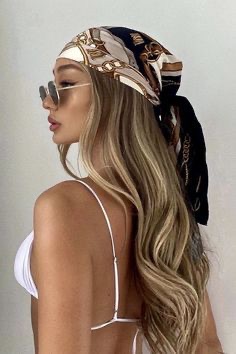
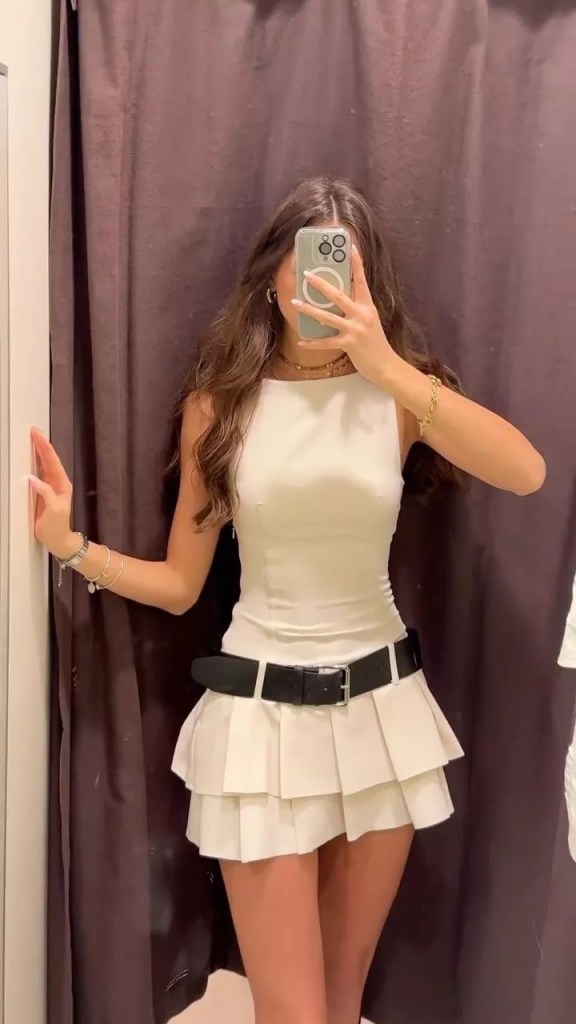
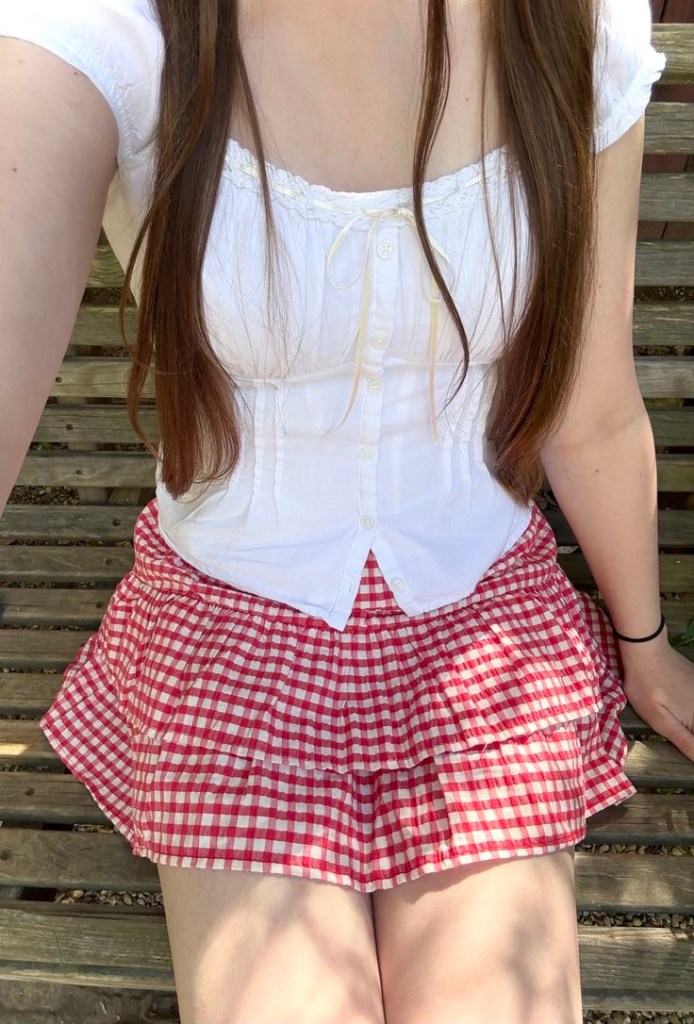
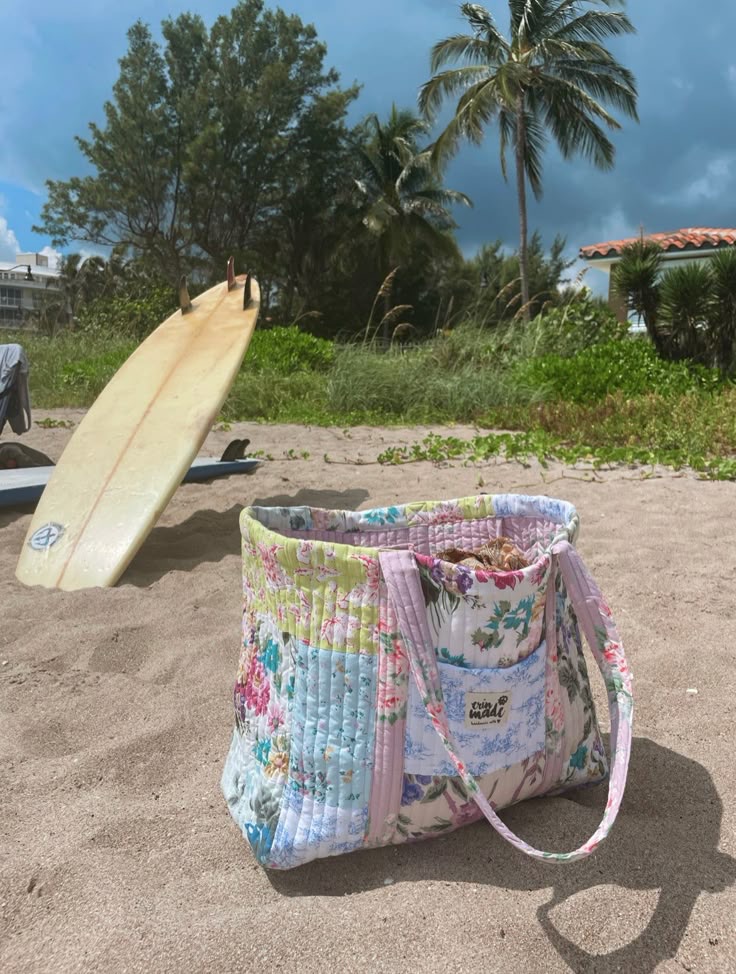
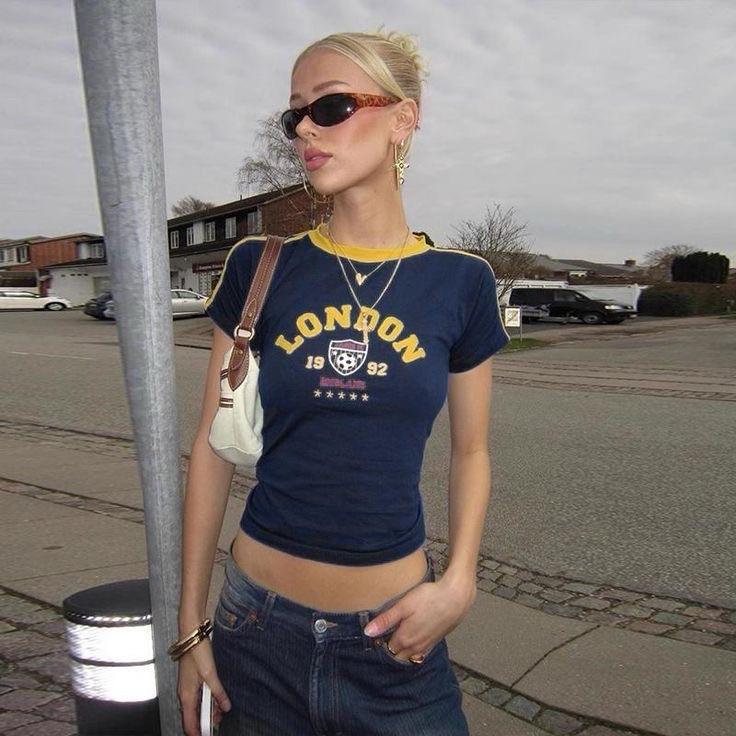
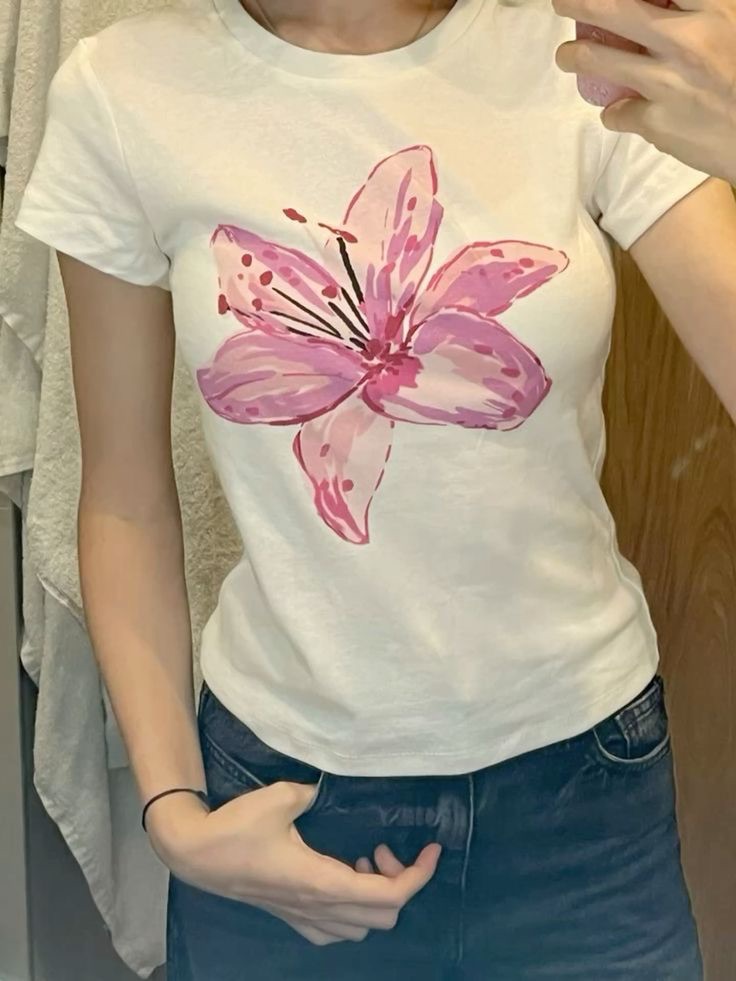
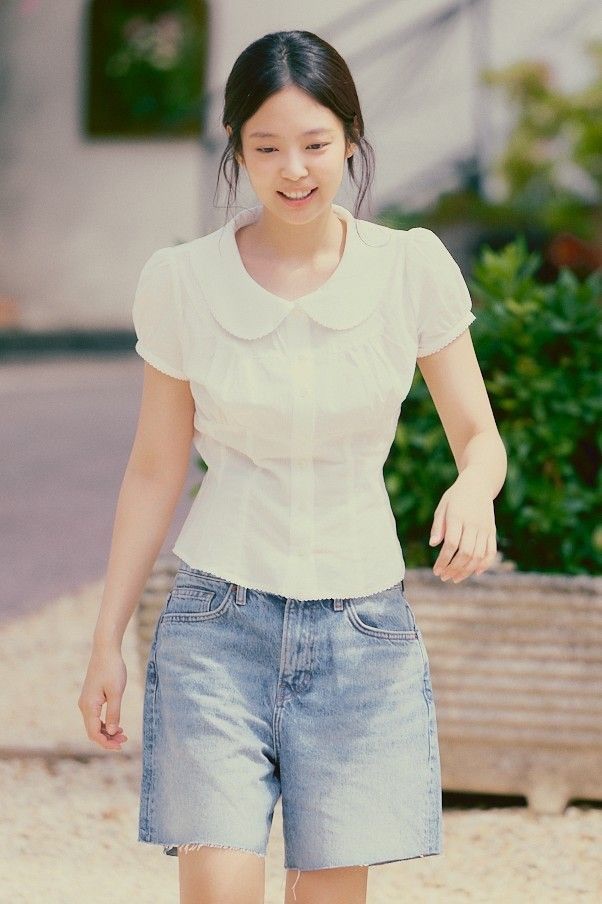
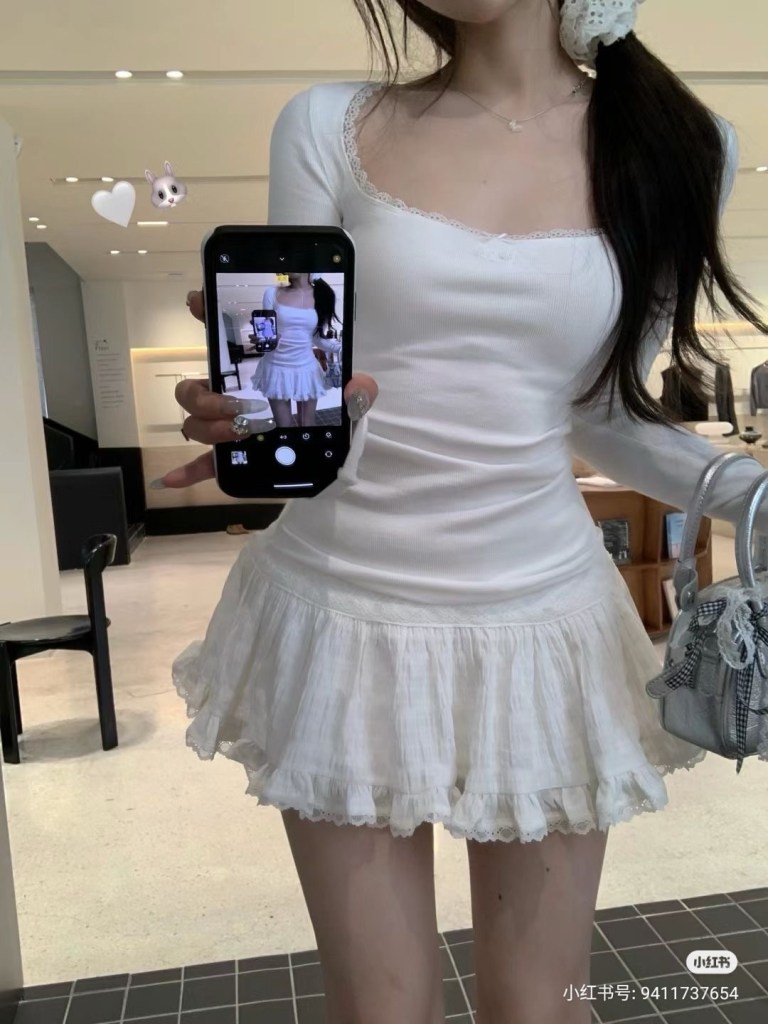
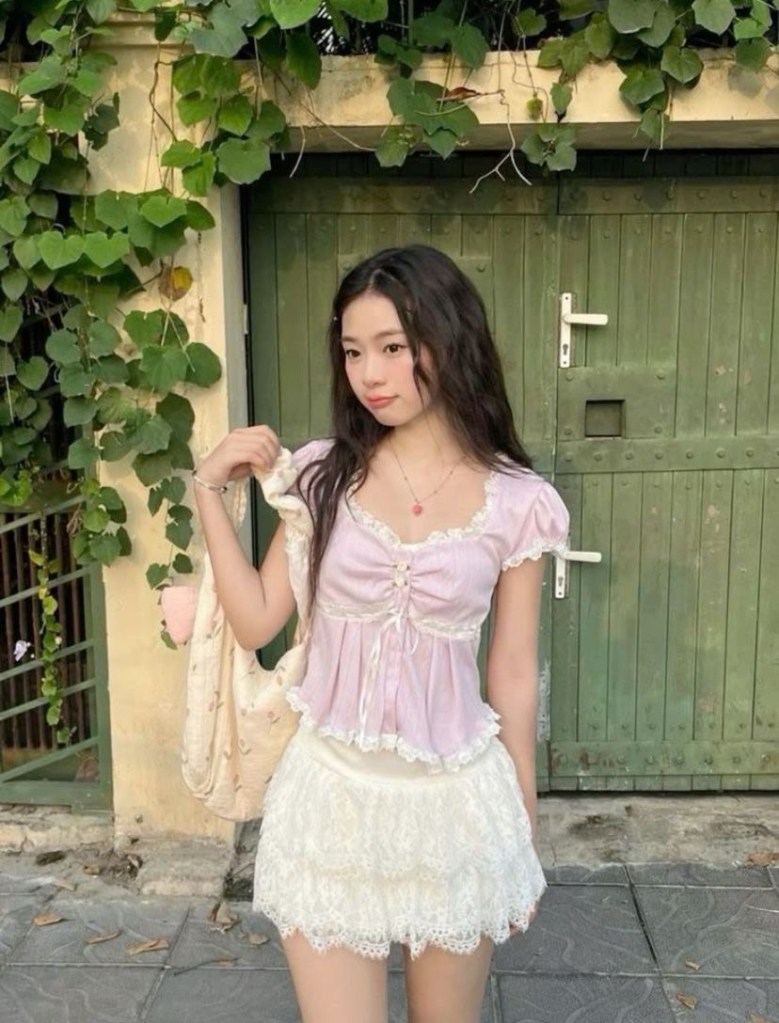
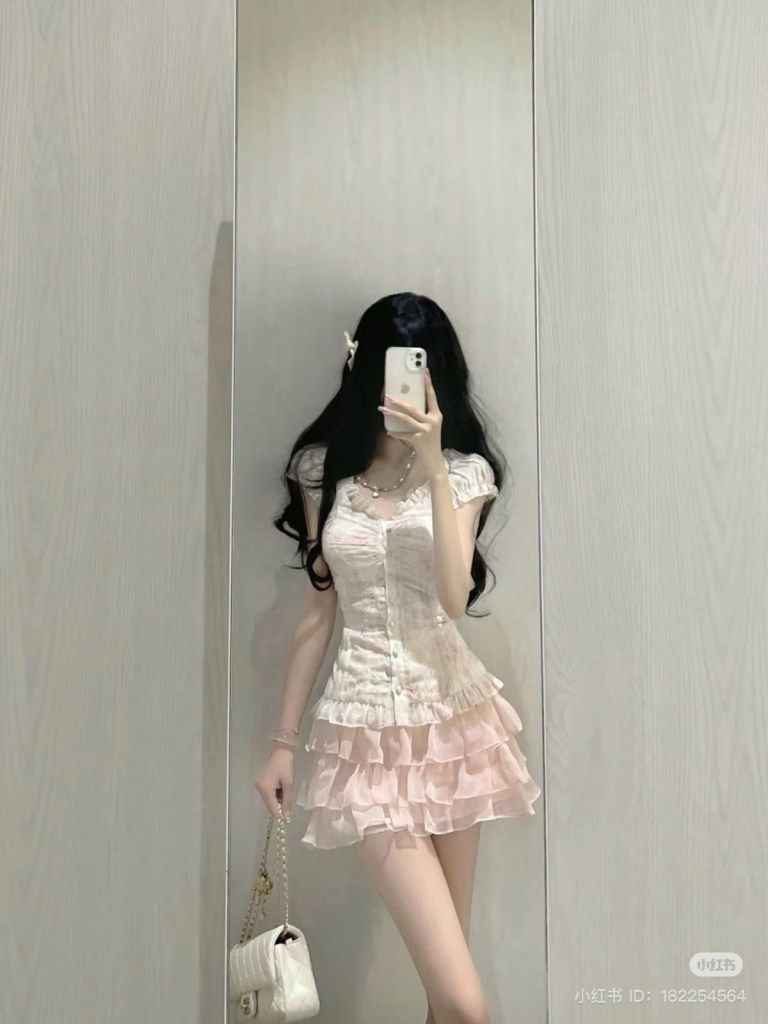
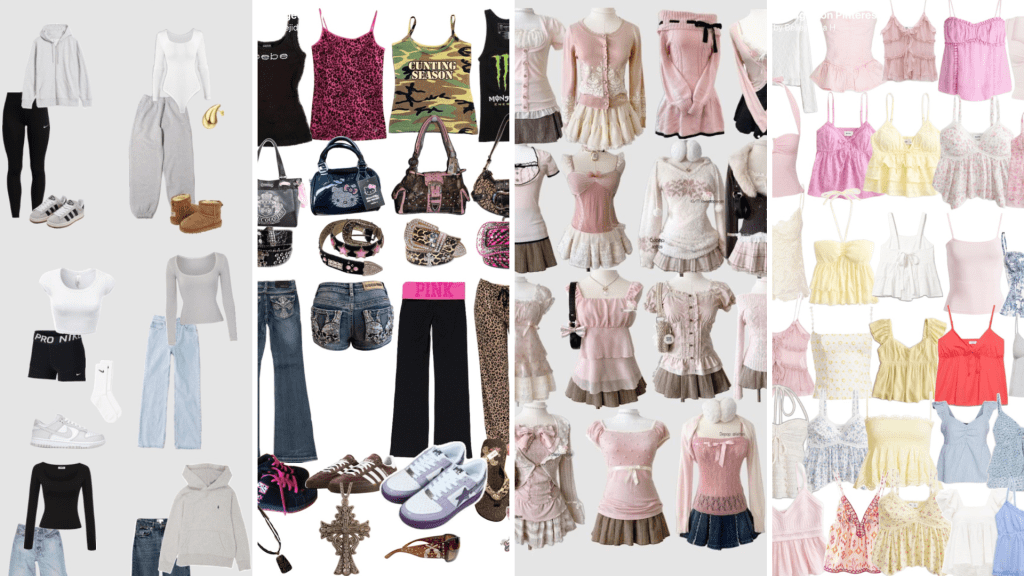
    Think about trends like: The “coquette” aesthetic (bows, lace, ballet-core), Y2K revival, Cottagecore, Mob wife era, Tomato girl summer, Clean girl aesthetic, Vanilla girl, balletcore, coastal cowgirls etc.

    Each one has a distinct vibe, outfit formula, and mood. They trend hard, trend fast, and then vanish just as quickly as well.
    Where Did Micro-trends Come From?

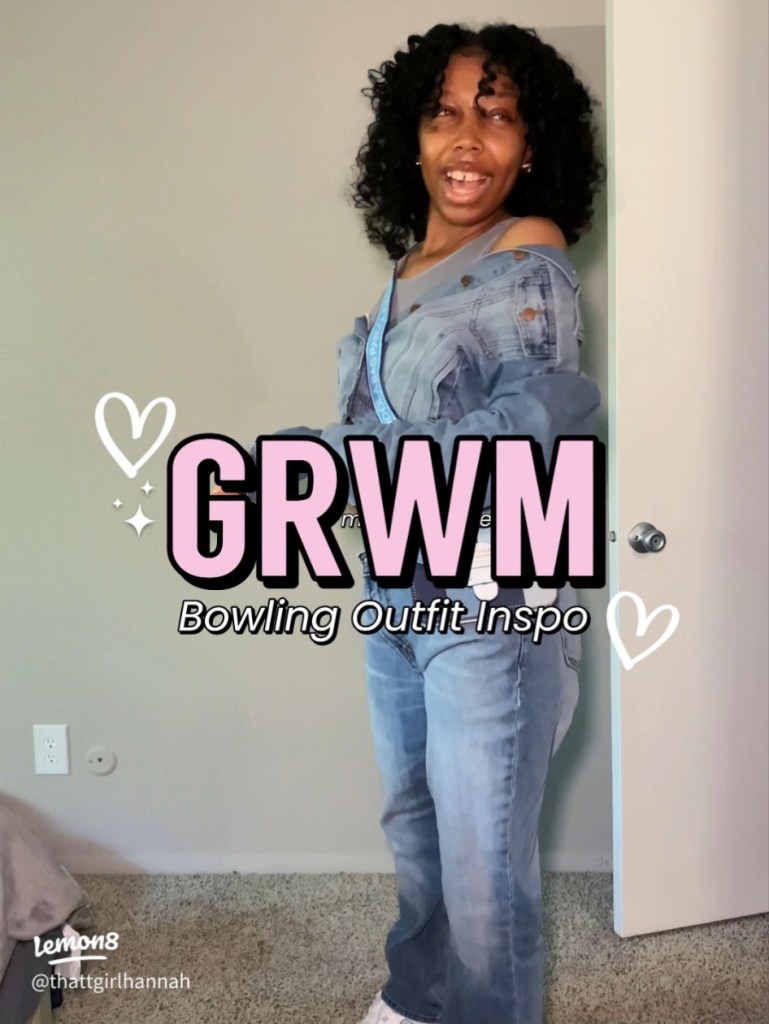
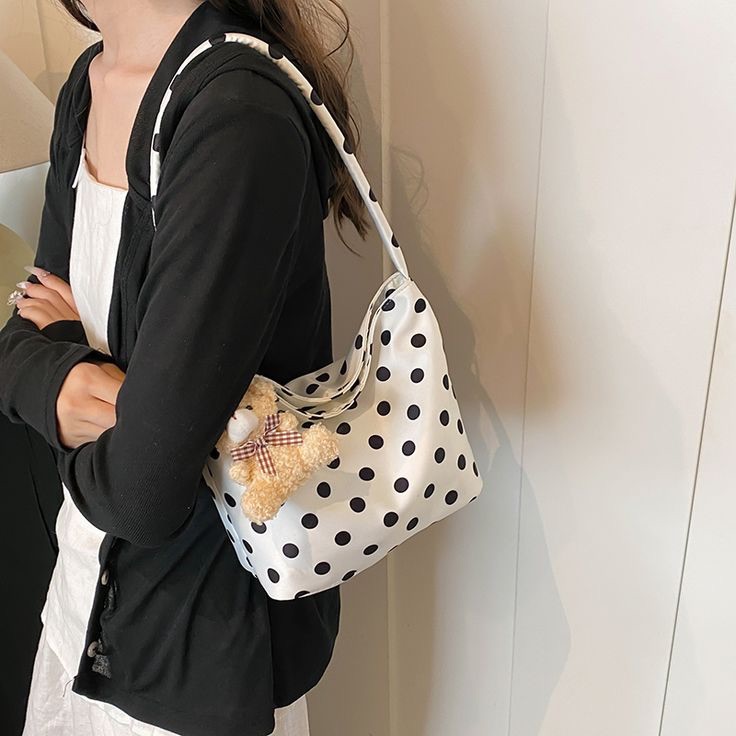
    Blame it (lovingly) on social media, especially TikTok. Fashion trends used to come from celebrities, runway shows, and seasonal releases. But now, all it takes is: One viral GRWM video, a 10-second aesthetic recap, or a moodboard with the right “vibe” …and suddenly everyone wants a red ribbon in their hair, or a polka dot on their shirt. Even if you didn’t plan on trying the trend, it shows up in your feed 10 times a day, and FOMO could easily kick in.
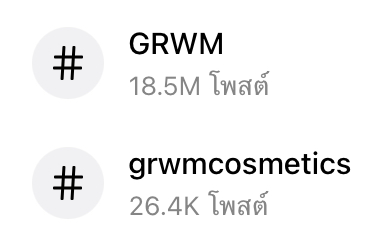
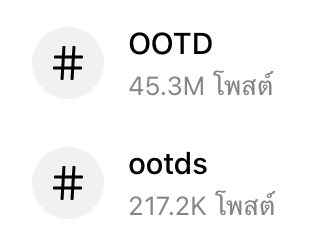
    Why This Made Fast Fashion Go Even Faster

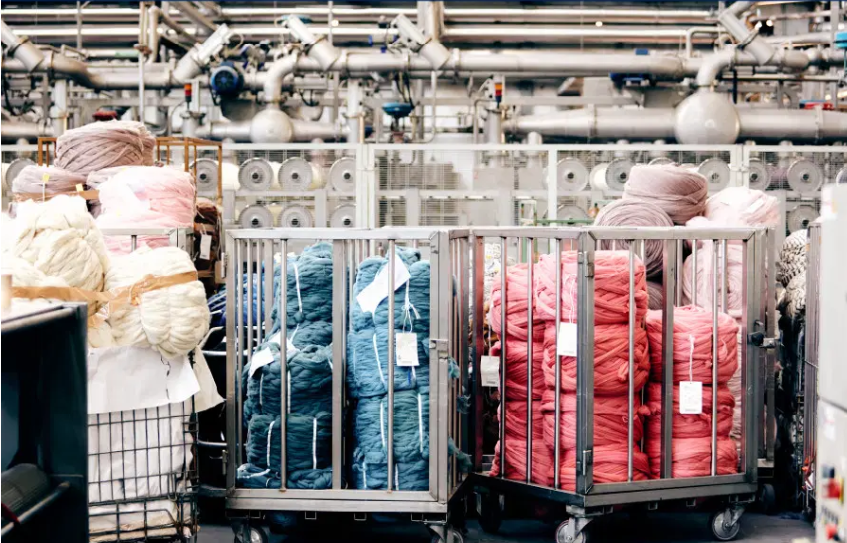
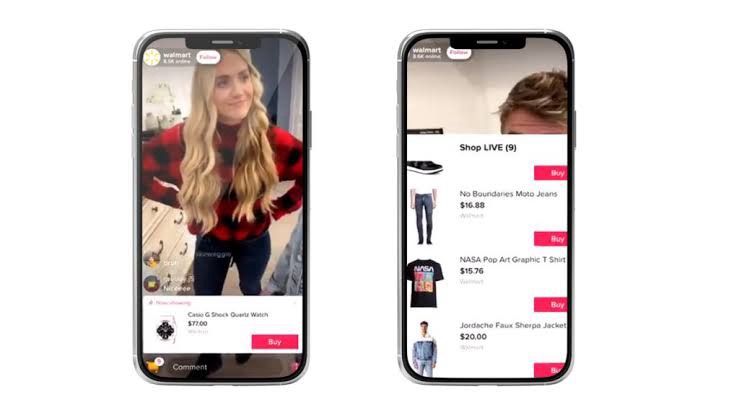
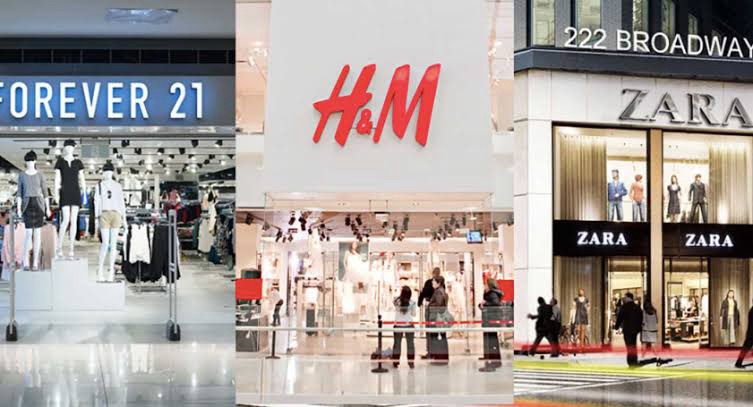
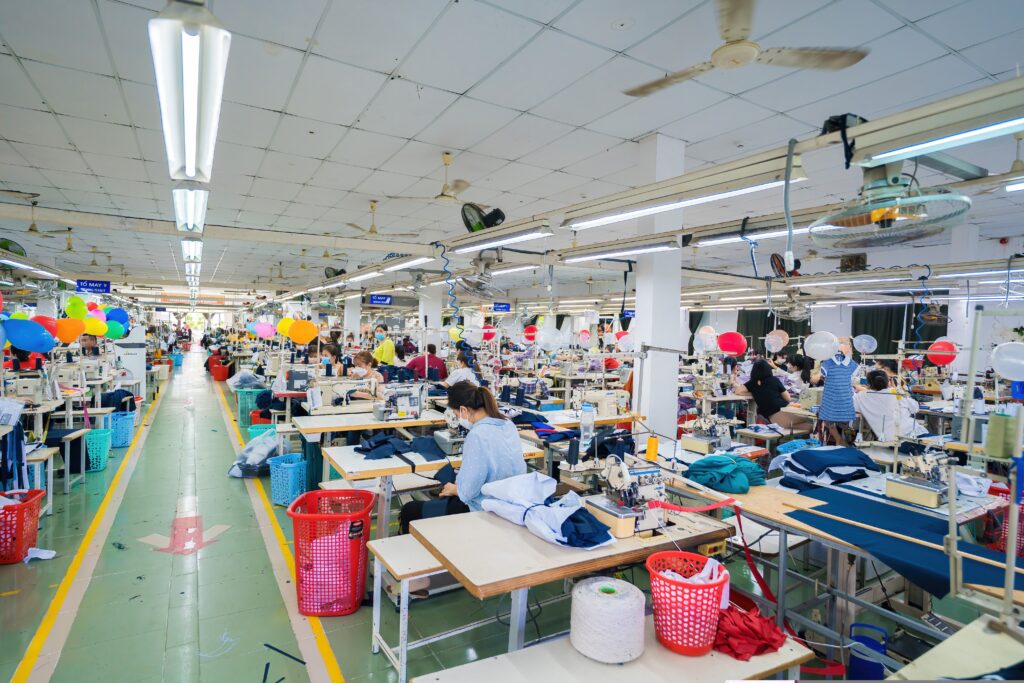
    Fast fashion brands are no longer following runway calendars. They’re following TikTok trends in real time. They read the comments, watch what’s going viral, and start production almost instantly. Take Shein, for example. They’re known for dropping thousands of new items every single day,all based on what’s popping online that week. Zara, H&M, and even smaller online shops are racing to keep up, too. The result? Clothes go from viral video to your doorstep in under a week. 

    But here’s the problem with that speed: Designs are rushed, quality is low, there’s barely any time to wear something before it’s already “so last week.”
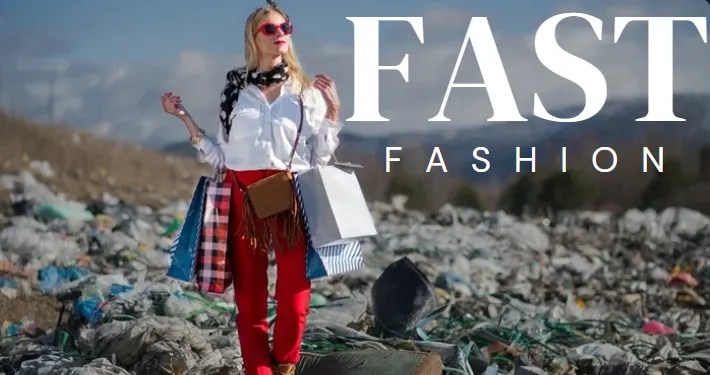
    And worst of all? Most of these pieces end up in landfills after one or two wears. It’s fast. It’s cheap. But it’s also incredibly wasteful.
    Micro-Trends vs Personal Style

    The scary thing is, most people aren’t even trying to follow trends they just get caught up in the scroll.

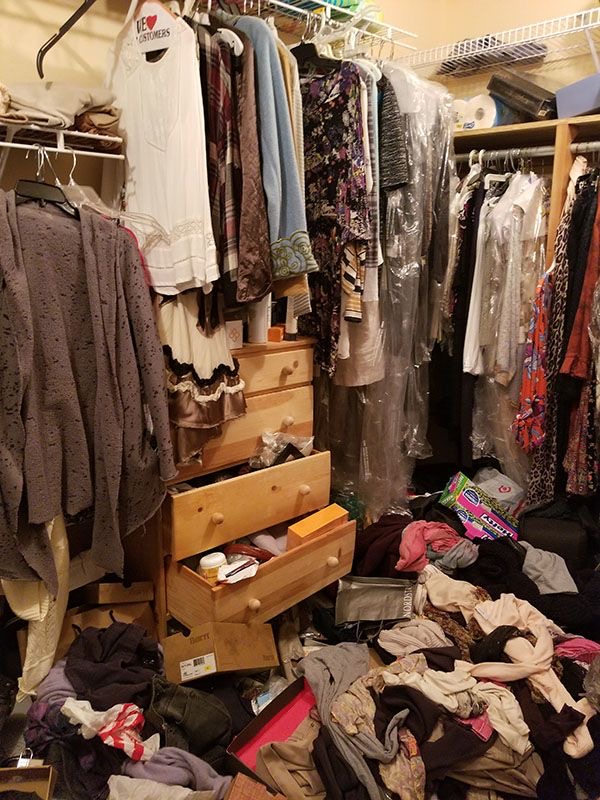
    You see something cute. You want it. You buy it. By the time it arrives, the trend’s over. Now what?….That leads to what I call the “fashion graveyard” in your closet: trendy stuff you wore once, then never touched again.
    In conclusion

    Micro-trends aren’t all bad. They let people experiment, play with identity, and express creativity. But when they’re driven by non-stop consumption and pressure to keep up, they become part of the bigger fast fashion problem.

    It’s also not sustainable. When we treat clothes as disposable, the cost isn’t just financial, it’s environmental. Tons of barely-worn pieces pile up in landfills every year, polluting the planet all for a trend that lived and died in someone’s IG story.

    So what do we do?… We pause. We get intentional. We build a wardrobe around ourselves, not an algorithm.

    Ask yourself before every scroll-induced purchase: “Would I wear this if no one saw me in it?”, “Does this feel like me, or like who TikTok wants me to be?”, or “Can I style this multiple ways, in my own vibe?”.
    There’s nothing wrong with trying new things. But there’s power in choosing them on your terms.

    Because personal style is not something you chase. That’s something you cultivate. It’s not about how many trends you nailed this year, it’s about finding the pieces that make you feel confident, cozy, strong, soft, whatever you want to feel like.

    So let trends come and go. Scroll, admire, be inspired,but don’t lose yourself in it.

    At the end of the day, the coolest look you can wear is authenticity.

    And that never goes out of style.
  • Dark Side of Fast Fashion: Cheap, But Is It Worth It?

    Let’s be honest, we all love new clothes. Whether it’s a cute top you spotted online or a trendy jacket that’s “too good to miss,” buying fashion has become a monthly (or even weekly) habit for many of us. I was having that habits too until I stopped to think about the true cost behind those low prices?

    The fashion industry is now considered the second-largest polluting industry in the world (UNECE, 2018), and its impact goes far beyond what we see in our closets. In this blog, let’s take a closer look at what fast fashion is doing to the planet, to people, and even to our wallets.

    1. Environmental Damage: The Hidden Footprint

    From the moment synthetic fabrics are produced to the moment our old clothes are thrown away, the fast fashion industry leaves a massive environmental footprint to the environment.

    Textile Waste: Every year, over 92 million tons of clothing end up in landfills (UNECE, 2018). Most of it is made from synthetic materials like polyester, which can take up to 200 years to break down (Niinimäki et al., 2020).That means the shirt you threw away last year might still be sitting in a landfill in the year 2225 long after we’re gone. The fashion industry isn’t slowing down, either. As trends move faster and garments are made cheaper, more clothing is produced and discarded every year.

    Therefore, true cost is the amounting environmental crisis we can’t afford to ignore.

    It’s time we take a closer look at what we wear, how we buy, and where it all ends up. Because the planet is paying the price.

    Water Usage: Making just one cotton shirt uses up to 2,700 liters of water, enough drinking water for one person for 2.5 years (WWF, 2013).

    Chemical Pollution: The dyeing and finishing processes in textile manufacturing use toxic chemicals, many of which are dumped into rivers and oceans. This harms aquatic ecosystems and nearby communities (Niinimäki et al., 2020), which not only affects aquatic life but also impacts the next-line consumers—potentially us, humans.

    2. The Human Cost Behind the Price Tag
    While we enjoy low prices and fast shipping, someone else is paying the price, often with their health, safety, or freedom.

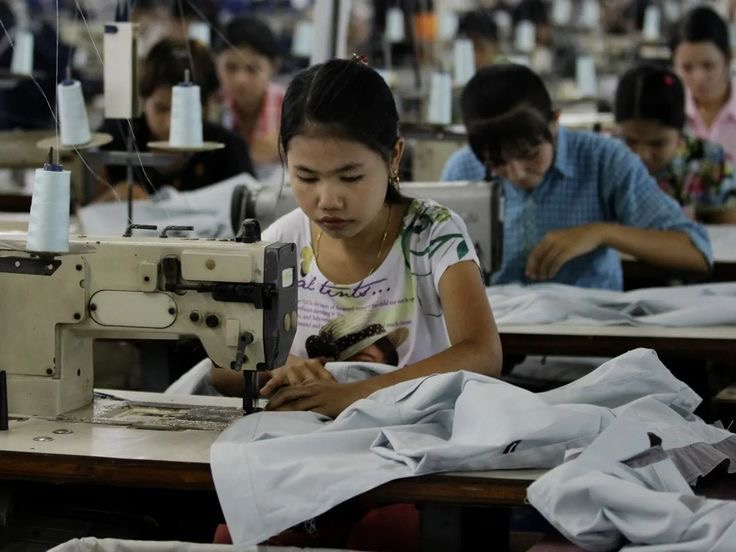
     Exploitation: Many fast fashion items are produced in factories located in developing countries where labor laws are weak or not enforced. Workers, sometimes even children are forced to work in unsafe conditions for very low wages and long hours (Clean Clothes Campaign, 2019).

    Tragedy That Sparked Change: In 2013, the Rana Plaza factory in Bangladesh collapsed, killing more than 1,100 workers. This tragedy revealed the harsh reality behind the industry and the lack of accountability for the lives behind our clothes (Hoskins, 2014).

    3. Economic Waste and Poor Quality

    You might think fast fashion helps you save money, but in the long run, it could be costing you more.

    Cheap = Short Lifespan: Fast fashion pieces are often made with low-quality materials and poor craftsmanship. They fall apart quickly, leading to a cycle of buying, tossing, and replacing, which means more waste and more spending over time (Niinimäki et al., 2020).

    Loss of Craftsmanship: As global fast fashion brands expand, they often push out local artisans and small-scale businesses. Traditional textile skills and creativity are being replaced by mass production focused on speed and profit (Fletcher & Tham, 2019).

    In Conclusion

    Fast fashion may seem cheap and convenient, but it comes with a cost onec we’re all paying for, whether we realize it or not. From polluting the earth, to exploiting labor, to wasting our money, the damage is real.

    So next time you’re tempted by that cute outfit, Pause Before You Purchase and rethink again. Because Small changes in how we shop can make a big difference. Let’s start being more thoughtful about what we wear and who we support when we buy it.

    If you liked this post, feel free to share your thoughts below or tag a friend who needs to read this.

    References

    Clean Clothes Campaign. (2019). Tailored Wages 2019: The state of pay in the global garment industry. https://cleanclothes.org

    Fletcher, K., & Tham, M. (2019). Earth Logic: Fashion Action Research Plan. https://earthlogic.info

    Hoskins, T. (2014). Rana Plaza: A wake-up call for the fashion industry. The Guardian. https://www.theguardian.com

    Niinimäki, K., Peters, G., Dahlbo, H., Perry, P., Rissanen, T., & Gwilt, A. (2020). The environmental price of fast fashion. Nature Reviews Earth & Environment, 1(4), 189–200. https://doi.org/10.1038/s43017-020-0039-9

    UNECE. (2018). Fashion and the SDGs: What role for the UN? https://unece.org

    WWF. (2013). The impact of a cotton T-shirt. https://www.worldwildlife.org

  • How Small Clothing Brands Can Help Save the Planet from Fast Fashion

    If you’ve ever asked yourself, “Can my small clothing brand really make a difference?”, the answer is yes.

    Fast fashion has made trendy clothes more accessible than ever, but it comes at a serious cost. For example, one cotton shirt can use around 2,700 liters of water to produce, enough to keep one person hydrated for 2.5 years (WWF, 2013). Add to that the issues of unfair labor, overproduction, and waste, and it becomes clear that something needs to change.

    The good news is that small brands are in a unique position to lead that change. Here’s how your brand can be part of the solution, without compromising on style.
    1. Focus on Quality Over Quantity

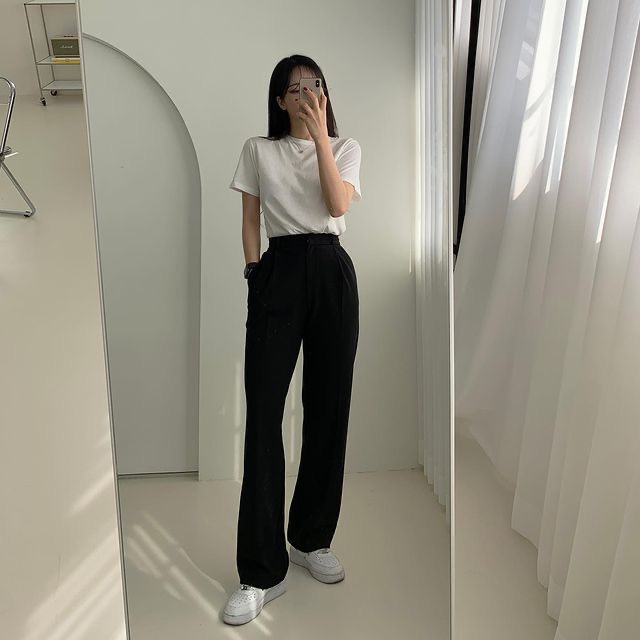
    One of the biggest problems with fast fashion is low-quality clothing that doesn’t last. Research shows that consumers are discarding clothing at a faster rate than ever, with over 92 million tons of textile waste generated globally each year (UNECE, 2018).

    Small brands can help change this by Using high-quality fabrics that last longer, prioritizing strong construction and finishing, and designing versatile pieces that people want to wear often.
    Longer-lasting clothing reduces waste, saves customers money, and builds brand trust over time.

    2. Choose Sustainable and Ethical Materials

    The materials you choose have a big environmental impact. For instance, polyester, one of the most common materials in fast fashion, can take over 200 years to decompose and sheds microplastics with every wash (Niinimäki et al., 2020).

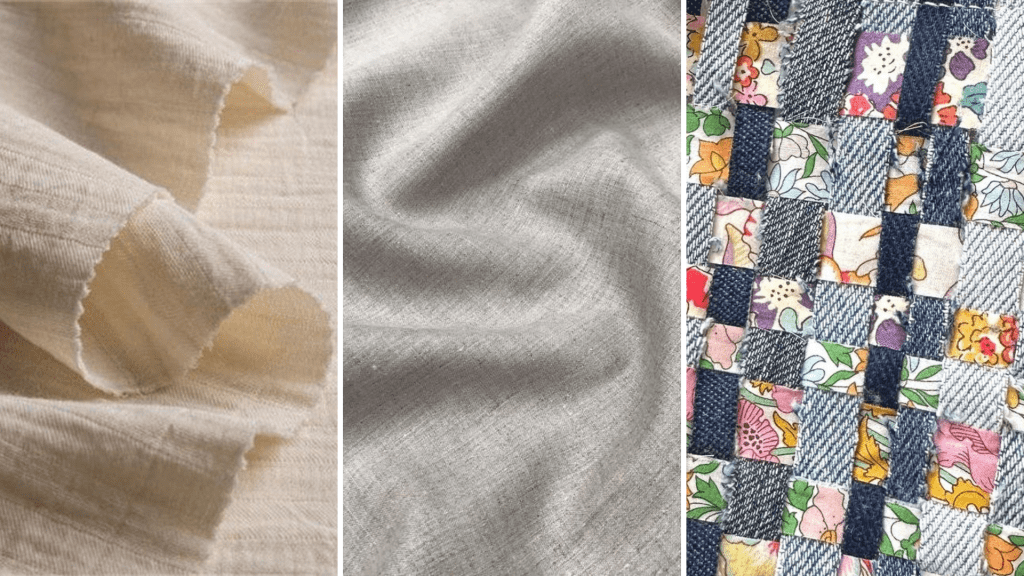
    More sustainable alternatives include: Organic cotton – grown without synthetic pesticides and using less water (Textile Exchange, 2022), Linen and hemp – naturally renewable and biodegradable fibers, or Recycled fabrics – made from old textiles or post-consumer plastic waste
    Using certified materials like GOTS (Global Organic Textile Standard) or OEKO-TEX also shows transparency and builds customer confidence.

    3. Reduce Overproduction with Smarter Models

    Overproduction is one of the fashion industry’s biggest environmental issues. An estimated 30% of clothing produced is never sold (McKinsey & Company, 2020). Many of these items end up in landfills or are destroyed.

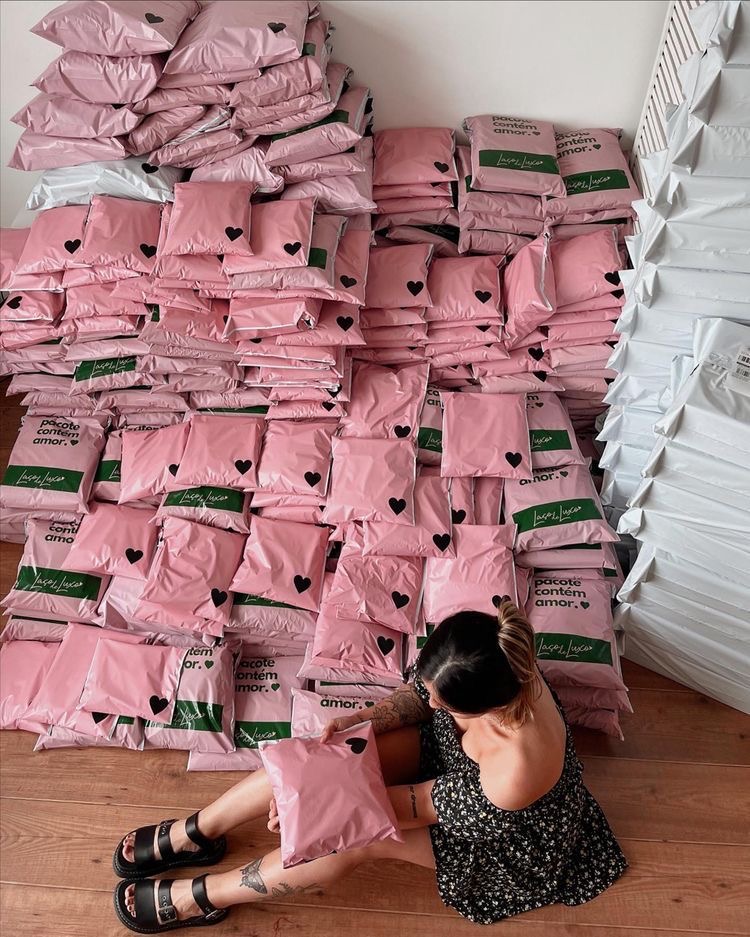
    Small brands can avoid this by: Making small batches of stock, using a pre-order or made-to-order model, or creating timeless, seasonless designs that stay relevant longer
    These methods help reduce waste, lower inventory risks, and create a more sustainable and personal experience for customers.

    4. Promote Transparency to Change Consumer Habits

    To fight fast fashion, you have to change how people think about clothing which transparency is a powerful way to do that.

    Fast fashion thrives on hiding the real cost of cheap clothes: unethical labor, environmental damage, and planned obsolescence. As a small brand, you can take the opposite approach. When you openly share how your products are made ,who makes them, what they’re made from, and why they cost what they do, you help your customers understand the true value of fashion.

    This shift in mindset helps reduce fast fashion by: Encouraging mindful buying when people understand the impact behind a piece, they’re less likely to buy impulsively, Building trust in slow fashion transparency makes people feel good about choosing ethical over cheap ,and Creating emotional connection stories make clothes meaningful, so people are more likely to keep and care for them

    Post behind-the-scenes content, explain your pricing, highlight your fabric sourcing, or tell the story of the makers behind your pieces. Education through storytelling helps break the cycle of overconsumption that fast fashion feeds on and inspires real, long-term change in buyer behavior.

    In conclusion

    Fast fashion is built on speed and volume, but that often means sacrificing ethics, quality, and sustainability. As a small brand, you have the freedom to take a different path and make it become your unique selling point or key marketing point

    By choosing better materials, producing thoughtfully, and prioritizing durability, you’re not just selling clothes. You’re offering real value and helping move the industry in a better direction.

    Fashion can be successful and sustainable, where you can lead the way of it!

    References

    McKinsey & Company. (2020). The State of Fashion 2020: Coronavirus Update. https://www.mckinsey.com

    Niinimäki, K., Peters, G., Dahlbo, H., Perry, P., Rissanen, T., & Gwilt, A. (2020). The environmental price of fast fashion. Nature Reviews Earth & Environment, 1(4), 189–200. https://doi.org/10.1038/s43017-020-0039-9

    Textile Exchange. (2022). Organic Cotton Market Report. https://textileexchange.org

    UNECE. (2018). Fashion and the SDGs: What role for the UN? https://unece.org

    WWF. (2013). The impact of a cotton T-shirt. https://www.worldwildlife.org

  • Impact of Influencers

    How Influencers Shape People’s Shopping Habits

    Have you ever scrolled through TikTok and suddenly purchased the same clothes item as someone on the screen just because their outfits look beautiful? If yes, same here. Today’s influencers don’t only encourage fashion, but they also shape actual shopping behavior.

    From Outfit Inspiration to Purchase in Just One Click

    In this era, influencers make fashion runs fast and fun and also make it easier to buy with just a tap on a smartphone. Seeing them in cute or fitting outfits will inspire the audience to buy them. Plus, the outfit that influencers are wearing is trendy, the price looks good, and everyone in the comments is hyping it up. But have you ever stopped and thought, “Why do I need to have this?” even though you don’t really need it?

    It’s not just about wanting the clothes. Influencer marketing plays on emotion. You trust the creator. You relate to their lifestyle. So when they recommend a product, it feels like a friend’s advice. According to a 2024 survey from Statista, over 70% of Gen Z said they’ve bought something directly because an influencer recommended it.

    Fashion FOMO is Real

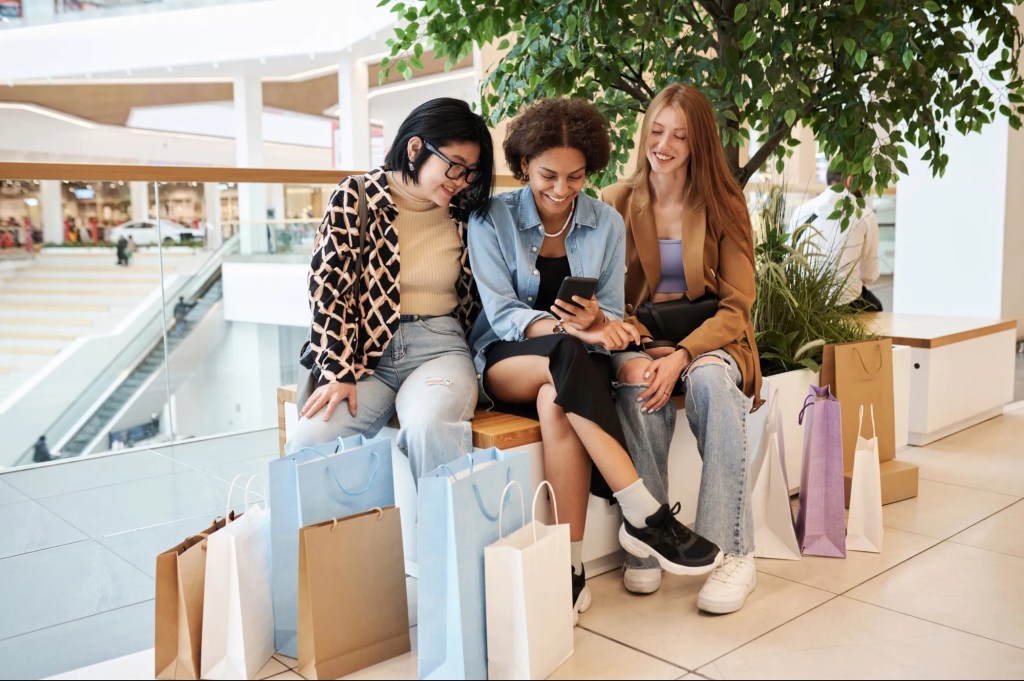
    Let’s be honest, nobody wants to feel excluded or left out. Since creators and influencers post multiple outfits on social media, it creates a need to keep up on trends. It has become the norm for influencers to do try-on hauls featuring tonnes of outfits from fast fashion stores like H&M, Shein, and Zara. This creates a cycle: watch, shop, scroll, and repeat again and again.

    But the point is that fashion is fast these days, but changes are even faster. What’s trendy this week may certainly be outdated within a month. Trying to keep up with every trend can lead to mental drain and wasting a lot of money.

    Fashion FOMO = Fear Of Missing Out on fashion trends

    The Hidden Cost Behind Cute Clothes

    The influencer’s impact on social media seems positive, but it also has a dark side. Fast fashion is the production of cheap and quick clothing in massive amounts. This can cause a lot of waste, and it is largely detrimental to our planet’s environment.

    Most of this type of clothing has extremely short life cycles and is most likely to be worn only once for a photo.

    That’s where the influencers play a role. If creators keep on posting new outfits without talking about the impact, it sends the message that fashion is disposable. And that’s something Gen Z is starting to question.

    What Can We Do?

    Making better choices doesn’t mean to throw away fashion. But being more mindful begins with answering the same question mentioned earlier: “Do you really need it?” 

    It would help and be more beneficial to your style and the environment if you restyled outfits you already have or combined new pieces with old ones instead of chasing every new addition in stock. Fashion can still be enjoyable, expressive, and stylish, just using more mix-and-match creativity and less pressure.

    Voices Making a Difference

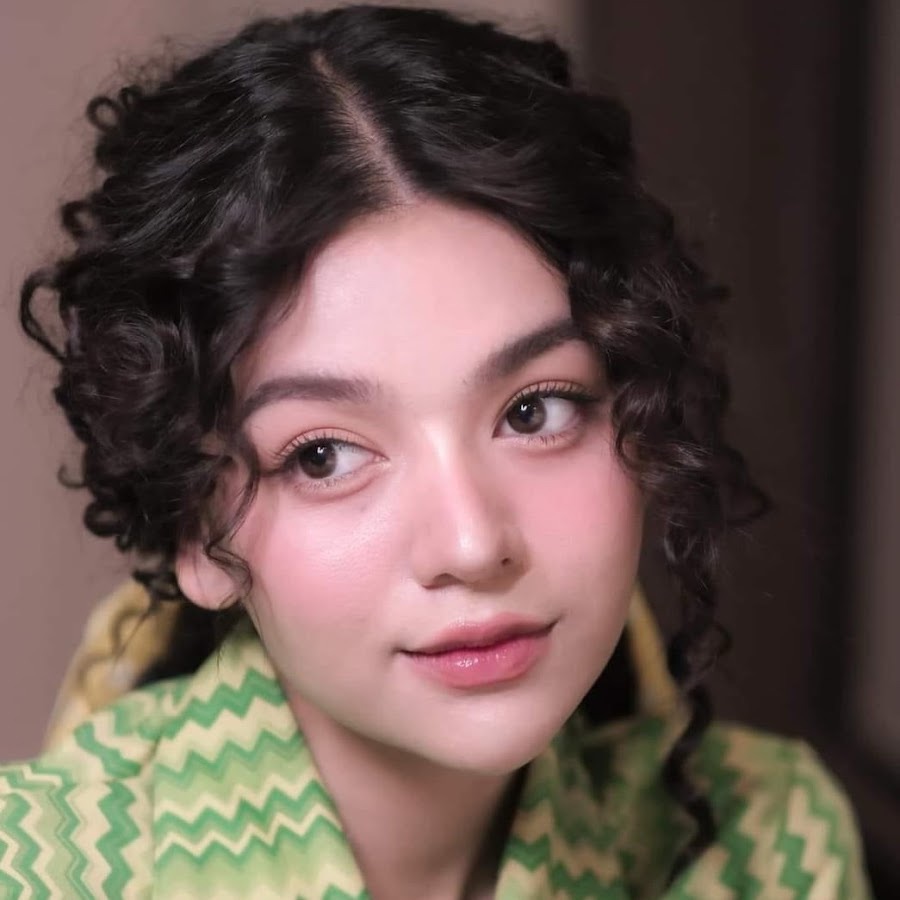
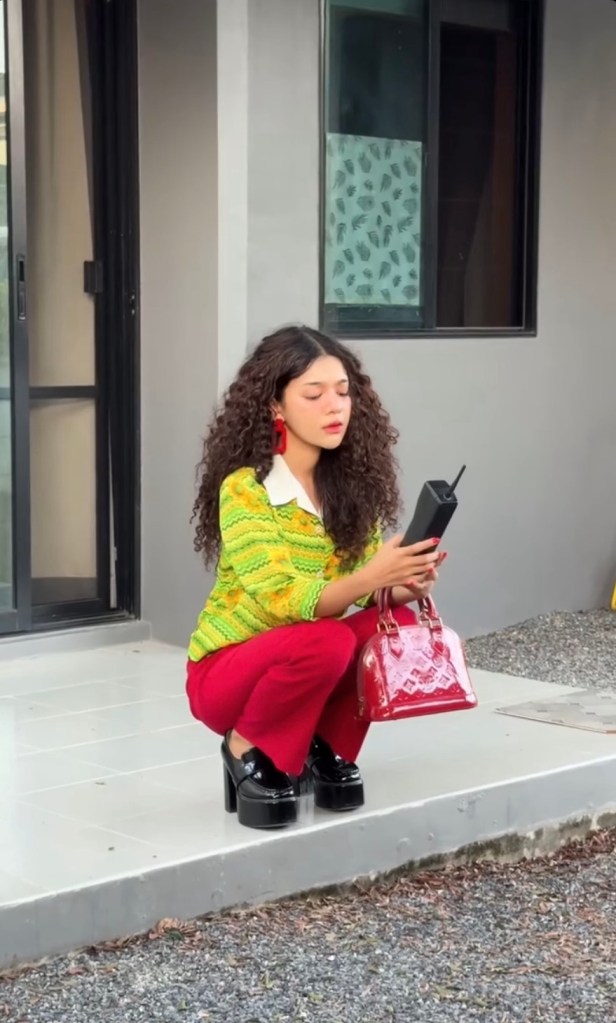
    The change starts with some voices from influencers. For instance, Ploi Horwang, who often mixes vintage pieces and her own style matches into her clothing to promote fashion and who she is.

    With her fresh looks on design, don’t forget that style should also be a form to express yourself.

    Conclusion

    With the rise of social media influencers, there are more options to shop. However, for brands that have made a negative impact on our society, influencers can become advocates for positive change. Gen Z are already able to change the narrative if they follow accounts focused on mindful purchases.

    Before buying something online, buyers should self-reflect once in a while on whether it resonates with them or is something purely out of other people’s suggestions.

    Stay tuned for our next topic blog!

  • Influencers Promoting Identity & Self-Expression

    In a world full of perfect-looking people online and trends changing rapidly, being yourself seems to be easier said than done. However, Gen Z views fashion as a way to express themselves to the world, who they are, not just an excuse to follow trends. Therefore, influencers are helpful in this situation. They’re not only outfit guiders, but they’re also a reflection of identity, confidence, and self-expression in real life.

    Your Style, Your Story

    The definition of the word “style” is very personal to this generation. Clothes are a language for them; the way people dress can tell the story about what the wearer’s feelings and aspirations are. Whether it’s Y2K, coquette, or streetwear, it all has meaning, and it’s the way to convey which type of person you are.

    Instead of copying matched clothes like runway fashion, Gen Z turns to influencers who are genuine about themselves, such as their backgrounds, personalities, and flaws. Why? Because those sincere influencers show society that they can be themselves, which inspires people to want to express who they are as well.

    Influencers as Identity Role Models

    Some influencers don’t display only stylish outfits; they do more than that. They share their personal experiences, maybe like they grew up in a rural area, didn’t reach society norms, or even experienced insecurity. Because of honest talking by creators, Gen Z feel less isolated and have more motivation to speak for themselves. 

    Take Ticha Kanticha, the winner of The Face Thailand season 2, as an example. She’s not only fashionable, but she also sends strong messages about self-worth and confidence. She once talks about fashion that goes hand in hand with people, which can help to enhance and promote your inner feelings and identity much more clearly. She tries to encourage everyone to feel free to dress as they prefer to support self-worth and equality. Ticha’s tangible example makes more people come out and accept themselves more through their clothing choices.

    The purpose of her content doesn’t aim to gain a lot of followers, but she wants to tell her audiences that “you can be you.”

    When Fashion Meets Feelings

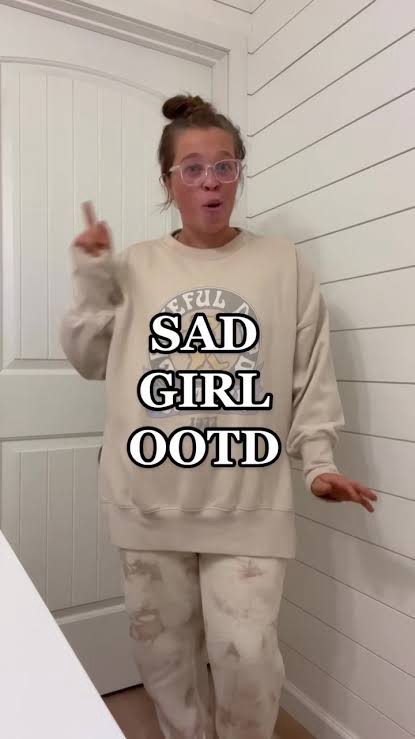
    Emotion is linked to style expression. Once you feel sad, you may not want to dress too much. On a day that you feel good and happy, you might want to wear something extra. Or on a chilly day, you might feel comfortable to wear a tee shirt with shorts. There is some content that influencers post about what they’re wearing when they feel …, like “SAD GIRL OOTD”. This can remind watchers that fashion is not always needed to look good; just wear what you want to wear.

    Fashion = Feeling good, not just looking good.

    The Shift from Trends to True Self

    Gen Z gradually changed their mindset from the idea that everyone must follow the same trends. More teenagers follow influencers who combine trends but still can keep their own signature by reflecting who they are rather than dressing like everyone else. The priority of fashion is to wear something you feel comfortable and happy in. Everyone is unique. Fashion has no rules; there is no force saying what outfit you should wear today or shouldn’t in the next. Fashion is becoming more authentic and significant as Gen Z learns to mix and match to create their own style for themselves rather than merely for likes.

    Small Creators, Big Impact

    It’s not just famous influencers that can make a difference; newbie and micro influencers are also having a significant impact on fashion. With a comprehensive audience, they can connect more with their fans, which allows creators to make content that is more specific, honest, and relatable to their viewers. Nevertheless, feeling yourself and expressing who you are is more important than following trends.

    Conclusion

    Influencers today are both fashion and identity influencers. They help boost Gen Z confidence and make them feel secure to be their true selves. Don’t forget to be who you want to be; be yourself in a way that makes you happy because you don’t have to look like others to make yourself belong.

    In the next blog, we will drag you into a subtopic, the impact of influencer culture. We will talk about how social media content shapes people’s consuming habits. See you in the next blog!

  • Fashion Influencers

    Fashion these days isn’t just about what you wear; it’s a lifestyle and a means of being able to express who you are. Social media for Gen Z is not just where you hang out, but it’s where trends are born and fashion idols emerge. At the heart of this online fashion revolution are fashion influencers. 

    Who Are Fashion Influencers?

    Have you ever wondered when the word “influencer” became popular? These days, this word is everywhere.

    Before the social media era, people often got fashion inspo from magazines, famous people like celebrities, or models. That can also be called the pre-influencer era. But when social media platforms like Instagram, TikTok, YouTube, and Facebook come, things change. Suddenly, anyone, whether student, employee, or even businessperson, who shares content like fashion style, makeup tutorials, lifestyle, or other things gains followers. That’s how the era of the influencer began.

    But the big boom of the word influencer actually came during the COVID-19 pandemic, when the actual shops were closed because of lockdowns and people spent time mostly online. They use this time to find something to watch, like fashion inspiration and new ways to shop. Influencers are not just people who share something, but they are someone who influences others and creates an impact on them. From nobody to somebody who becomes recognised, their voices matter in shaping how people think.

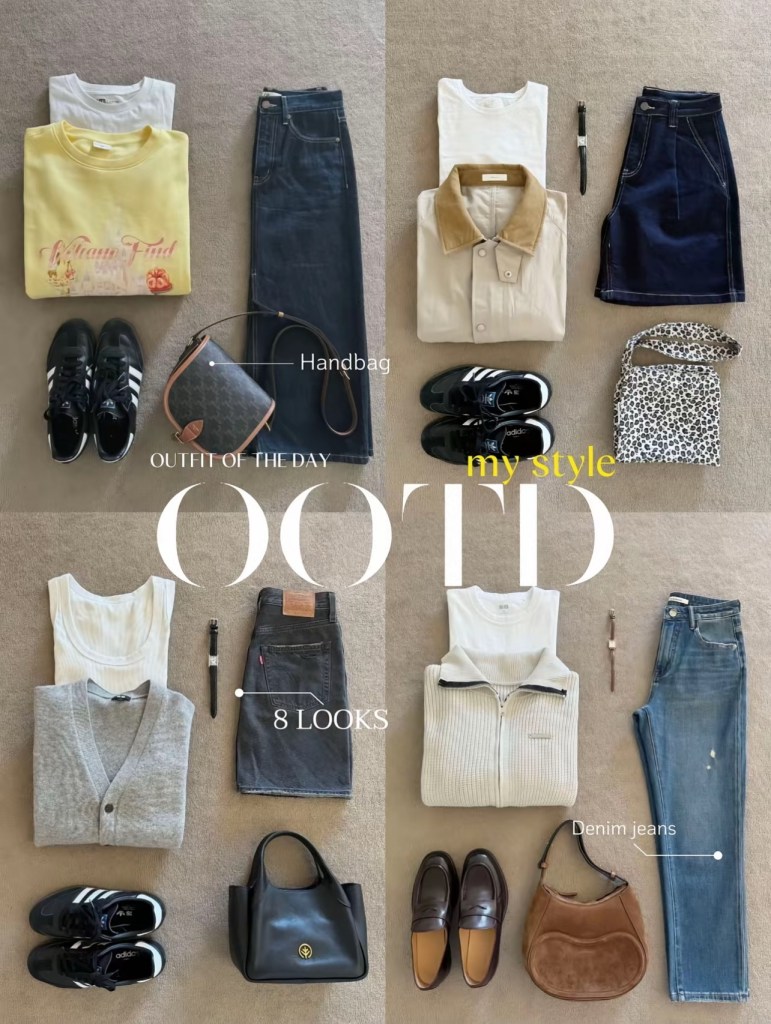
    Fashion influencers can be anyone who became famous by posting content like Get Ready With Me (GRWM) videos, Outfit of the Day (OOTD) videos, and style tips.

    According to the Morning Consult (2023), over 54% of Gen Z spend at least four hours daily on social media, making platforms a major place for trend exploration. Thus, influencers have immense power in shaping audience trends.

    Why Do Gen Z Trust Influencers?

    Gen Z is known for valuing authenticity. They prefer creators who aren’t hesitant and show their true selves to appear sincere instead of 100% perfect. Fashion creators who have an open mind and genuinely talk about their body types, budgets, or personal self-image issues are more likely to appeal to and attract faithful followers who feel they can relate with them or even find them trustworthy.

    For example, Sayamo, a Thai influencer with over 3 million followers on TikTok and is one of Thailand’s popular fashion influencers. She has a unique, playful, and trendy style. Whether she mixes trendy looks with her own unique style or shares makeup tips, it makes her content feel both creative and authentic. Sayamo wasn’t born famous, but she built her fan base by being herself, and that’s what makes her so powerful among Gen Z viewers.
    Influencers and the Shopping Mindset

    Influencer marketing happens whenever they tag brands in their stories, share a fashion haul, or release coupon codes. However, because influencers sound like friends, Gen Z tends to connect more emotionally to their recommendations. Most followers would likely wish to purchase the same outfit if their favorite influencer wore it and shared it on social media.

    This ongoing exposure has the potential to result in impulse purchases. Gen Z are always being encouraged to buy without realising that influencers play a big impact on their lives. Influencers recommend you to have this and that, or just using it themselves may have a bigger influence on audience consumers behaviour than traditional advertising. This indicates that the influence of influencer culture has a huge effect on the young generation.

    The Pros and Cons of Influencer Culture

    There is no question that influencers have helped numerous Gen Z consumers discover their style, build confidence, and feel represented in fashion. Teens learn about gender identity, culture, and self-expression through fashion content, which is something that older generations did not get from magazines or TV advertising.

    However, there is a downside as well. Some people may feel insecure or excluded due to the pressure to keep following the fast changing fashion trends. Influencers’ posts may promote unintentionally harmful spending habits or unrealistic fashion and beauty standards. When every scroll leads to another “must-have” item, it can be difficult to avoid purchasing more than we require.

    The Rise of Micro-Influencers

    Unexpectedly, Gen Z is also turning to micro-influencers, content creators with smaller followers (around 10K to 100K), because this group of influencers typically appear more approachable. These influencers make content that is more useful and inspiring for everyone since they post about everyday looks, secondhand discoveries, or inexpensive outfit ideas.

    Conclusion

    Fashion influencers engage Gen Z with clothes and trends and identity. However, keep in mind to follow for inspiration, not comparison, and be inspired, not influenced to overspend. 

    In the next blog, we’ll dive deeper into how influencers promote identity through outfits and how they help Gen Z feel seen and confident in who they are.

  • How To Match Clothing

    Matching your clothes does not have to be hard. You do not need to be a fashion expert to create outfits that look good and feel comfortable. With just a few basic rules and some practice, anyone can learn how to match clothing in a stylish and fun way. Moreover, matching clothes is about creating balance, harmony, and confidence in your look. Whether you are dressing for a casual day, work, or a special night out, the right outfit can help you feel your best. Here are some easy tips that will help you match your clothes and create outfits you love.

    Start with Neutrals

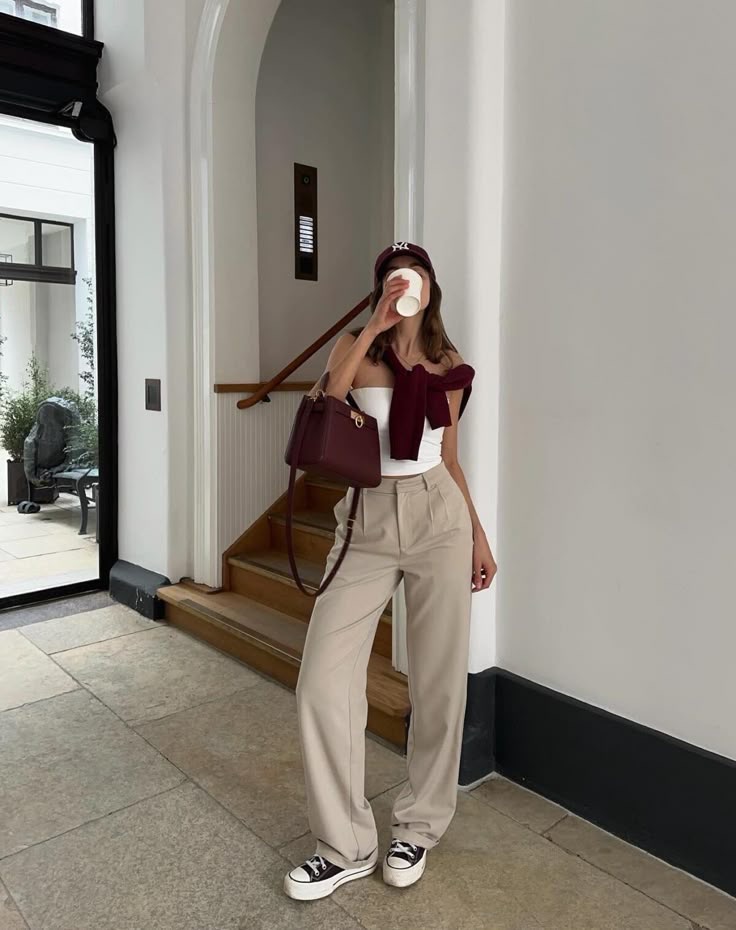
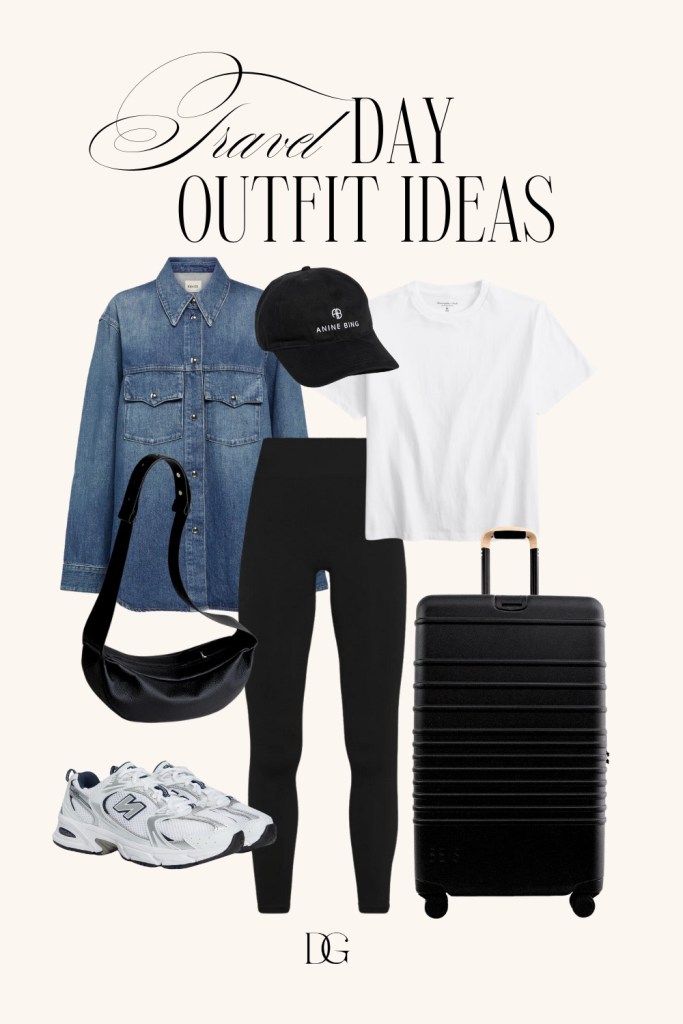
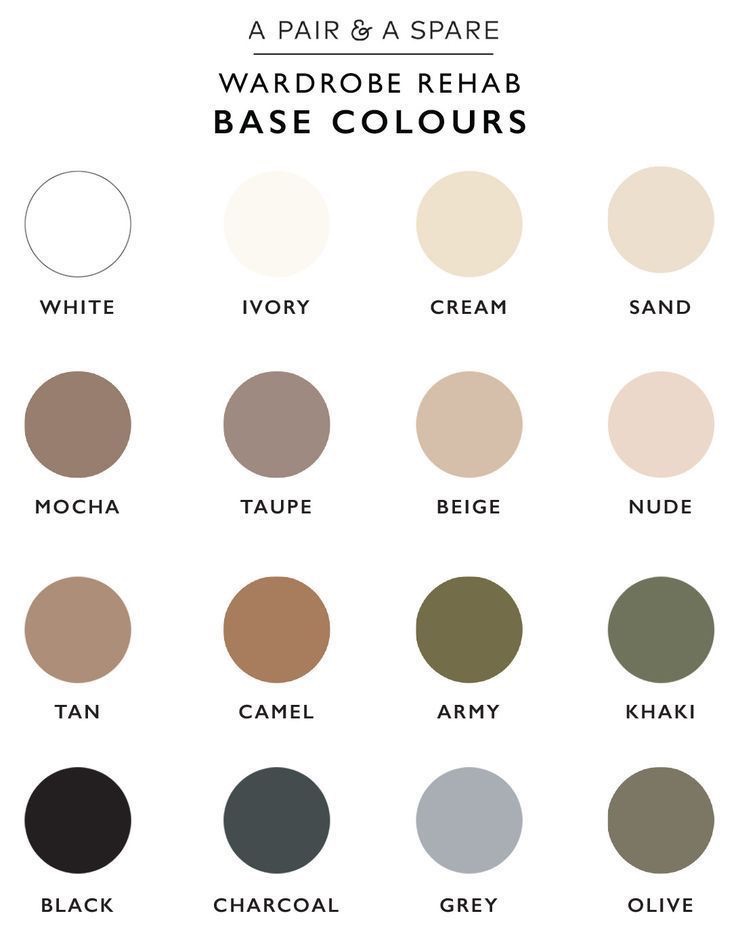
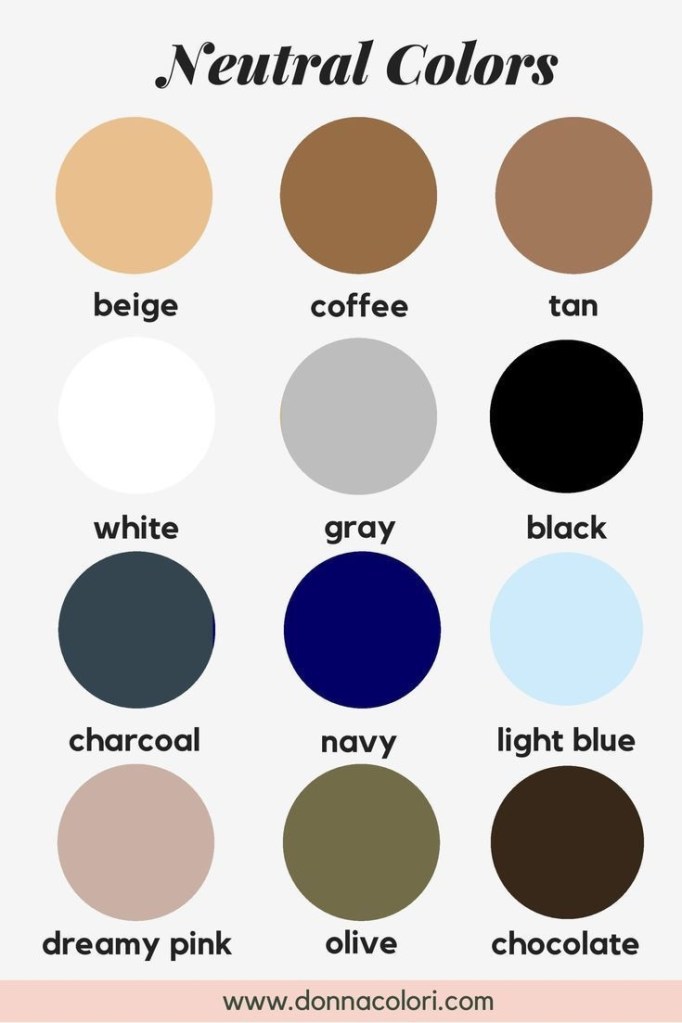
    Neutrals are your best friends when it comes to building outfits. These are colors such as Black, White, Gray, Beige, Navy blue, These colors are very flexible and go with almost anything. If you are not sure where to start, try creating an outfit with mostly neutral pieces. For example:

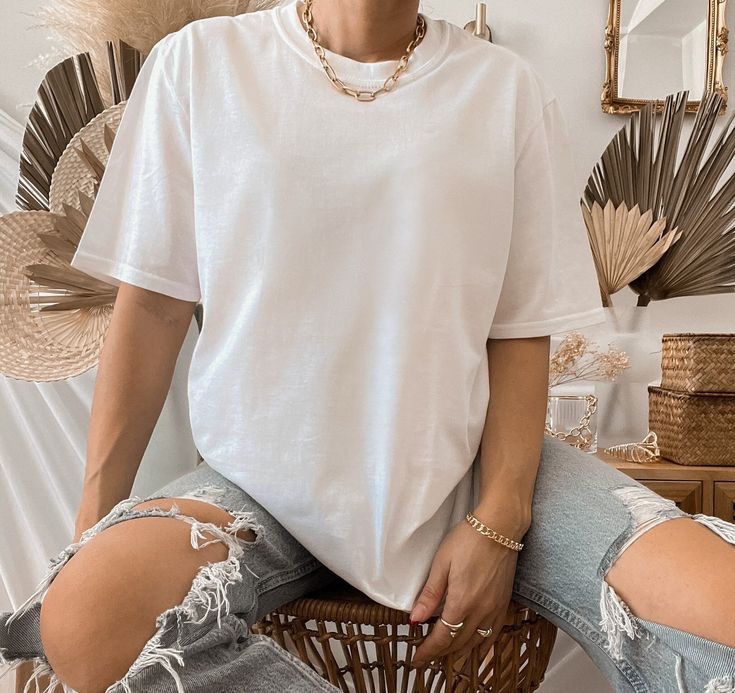
    • A white t-shirt with black pants
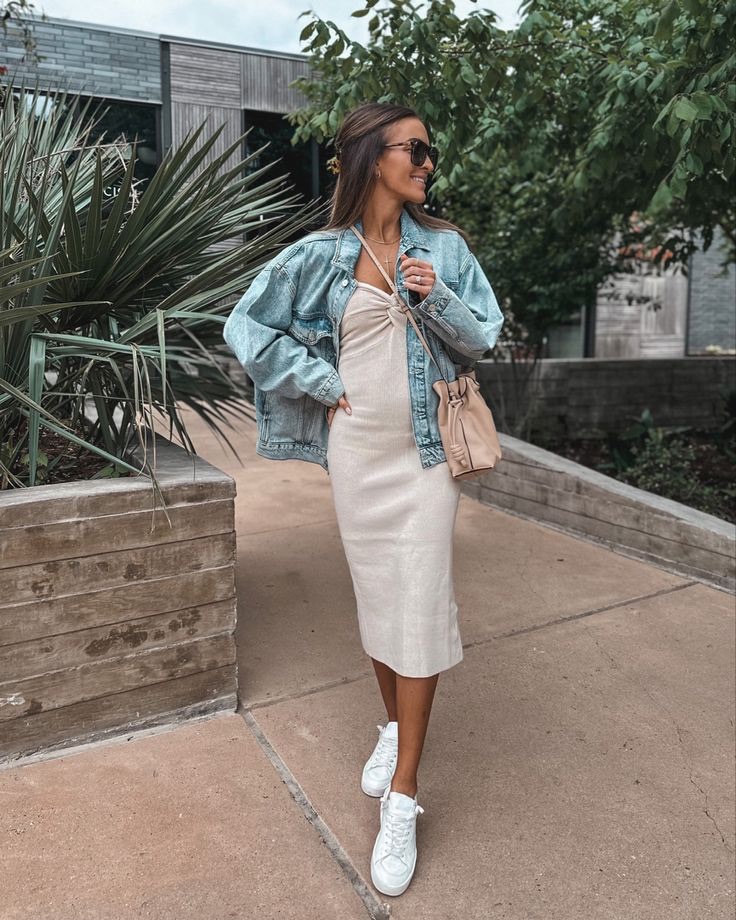
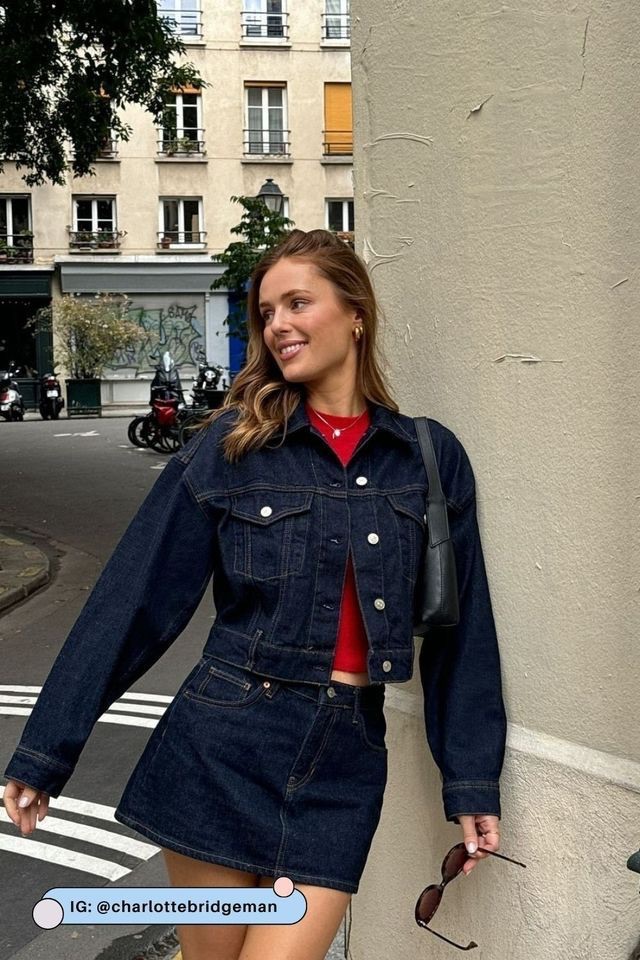
    • A beige dress with a denim jacket
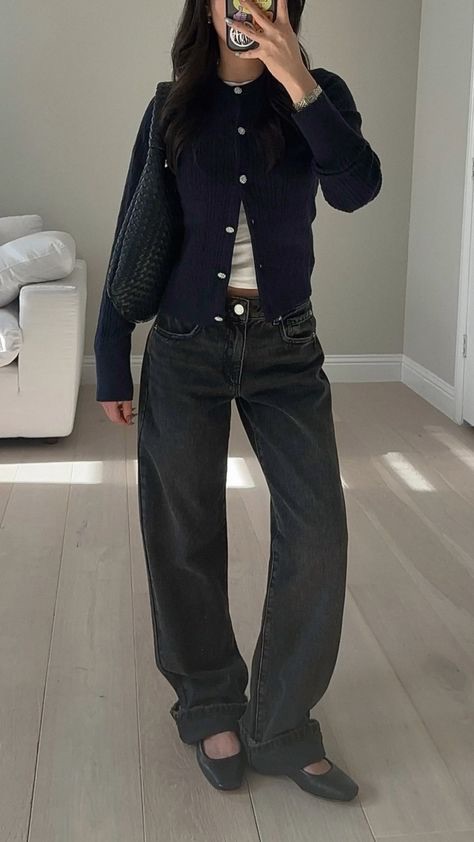
    • A navy sweater with gray jeans

    Once you have a neutral base, it is easier to add color, texture, or accessories to make the outfit pop. Neutrals also make your wardrobe more mix-and-match friendly, giving you more outfit options without needing more clothes.

    Add One Color at a Time

    Color can bring life to your outfit, but it is important not to overdo it, especially if you are just starting out. A good trick is to add just one bright or bold color to an otherwise neutral outfit. Here are a few examples:

    • Black jeans + white shirt + red shoes
    • Navy pants + beige top + yellow scarf
    • Beige skirt + black blouse + gold belt

    Mixing Patterns

    Pattern mixing can be tricky and complex, but it is a fun way to make your outfits more creative. On the other hand, dressing up with a mix of patterns all over can look a bit strange, so just one pattern per outfit can make this look complete and interesting. Here are some beginner-friendly tips:

    • Stick to two patterns at a time
    • Polka Dot simple outfits
    • Striped shirt
    • Use neutral-colored patterns to make it easier to mix

    Understand Textures and Fabrics

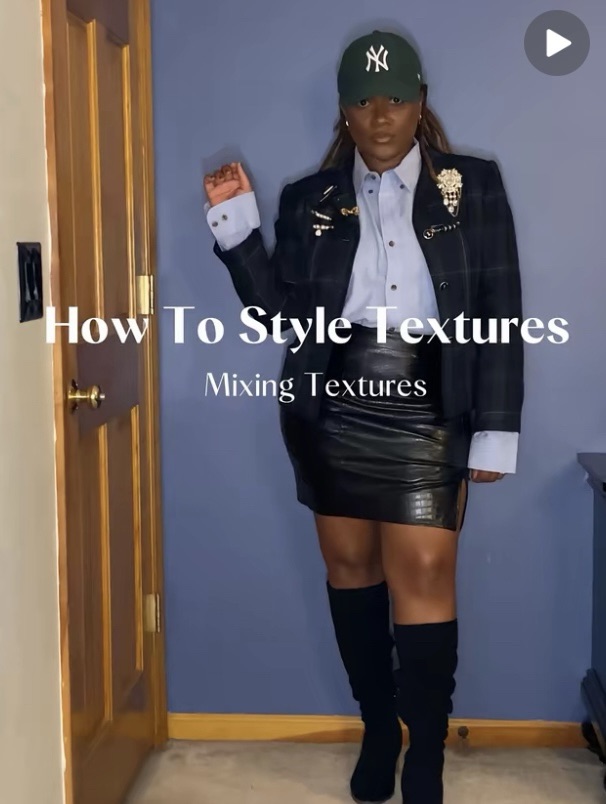
    Same with color and pattern, but texture adds interest to your outfit. Mixing different fabrics can make your look more stylish and eye-catching. For example, you could wear a leather jacket over a soft cotton dress, or a chunky knit sweater with a silky skirt. The key is to make sure the textures match the season. Avoid mixing heavy winter materials with thin summer fabrics. Therefore, it can look off-balance and feel uncomfortable. Here are some textures you can mix:

    • Denim + cotton
    • Leather + silk
    • Wool + linen
    • Knits + satin

    Layering Clothes

    Layering is both stylish and practical. It helps you create depth in your outfit and lets you adjust your clothes to the weather. Just remember to balance your layers. If you are wearing a bulky jacket, keep the clothes underneath more fitted. If you add a lot of accessories, make sure they do not compete with each other. Too many layers or details can make your outfit feel cluttered. Start with a simple base layer, such as a fitted top or t-shirt. Then add:

    • A cardigan
    • A blazer
    • A denim or leather jacket

    Easy Outfit Ideas

    Here are a few ready-to-go outfit ideas using the tips above and these outfit formulas are easy to follow and can be changed based on your own favorite colors and patterns.

    1. Casual Day Look

    • White t-shirt
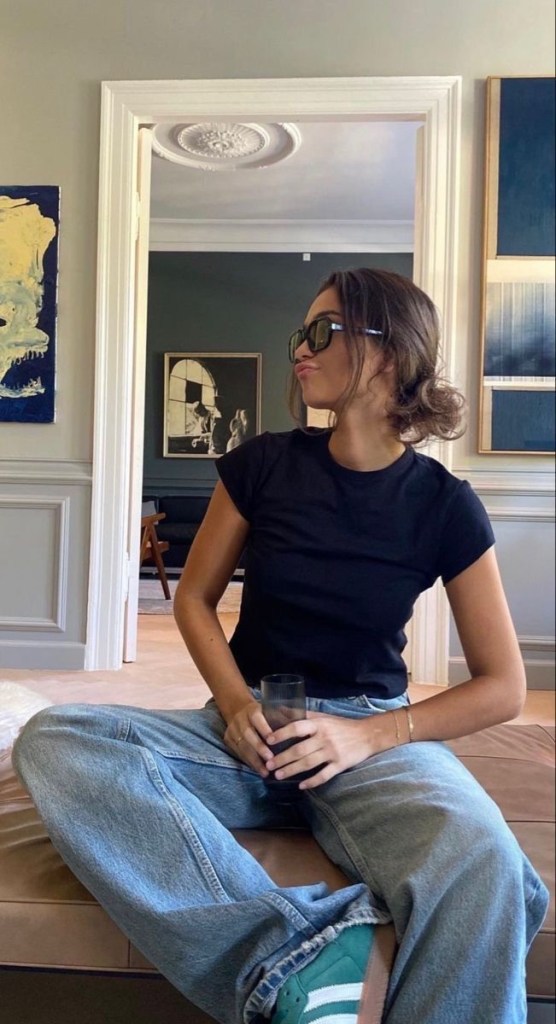
    • Blue jeans
    • White sneakers
    • Optional: colorful bag or patterned scarf

    2. Work or Class Look

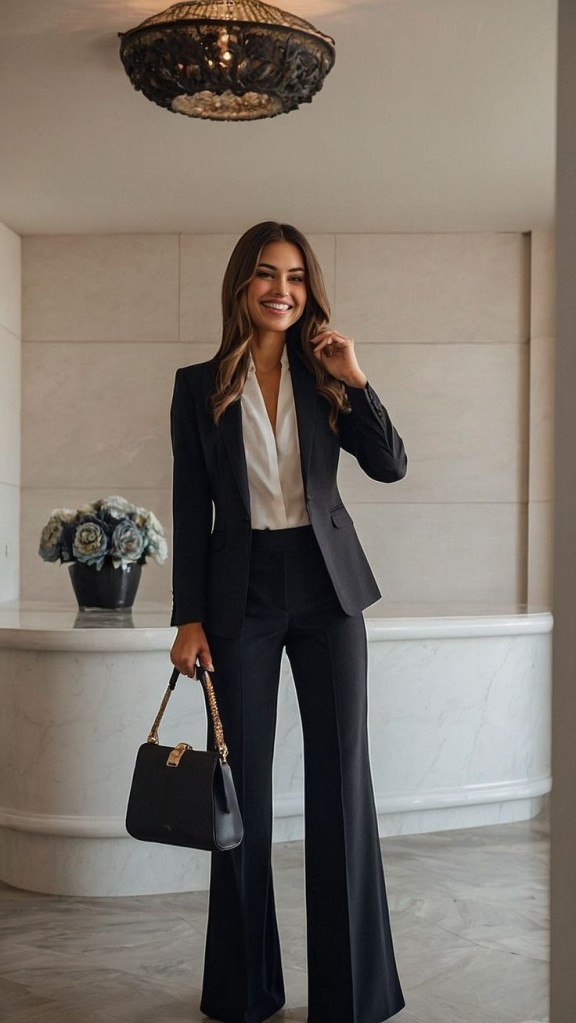
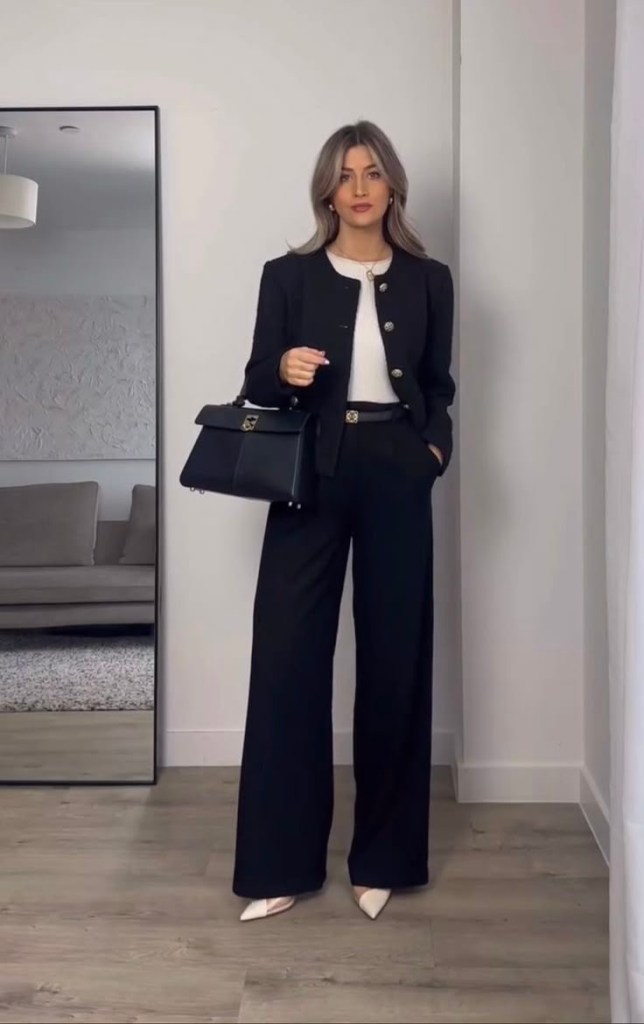
    • Black pants
    • Light-colored blouse
    • Neutral blazer
    • Flats or low heels
    • Simple necklace

    3. Evening Out Look

    • Flowy dress
    • Leather or denim jacket
    • Statement earrings
    • Heeled boots or sandals

    Conclusion

    Matching your clothes is not about being perfect, it is about feeling confident in what you wear. With a few simple tips, such as starting with neutrals, adding color slowly, mixing patterns wisely, and understanding textures, you can create outfits that work for you. The more you try different combinations, the better you will get at knowing what looks good on you. Over time, you will build your own style and feel more confident every day. Fashion should be fun, creative, and personal, so do not be afraid to try new things and wear what makes you feel happy!

  • Style Advice

    Everyone has their own unique style. Fashion is not only about following trends, but it is about showing who you are. The way you dress can reflect your personality, your mood, and even your values. With the appropriate advice, you can find your personal style and feel better confident in your clothes and every time you get dressed. Here are some easy tips to help you dress perfectly and enjoy it.
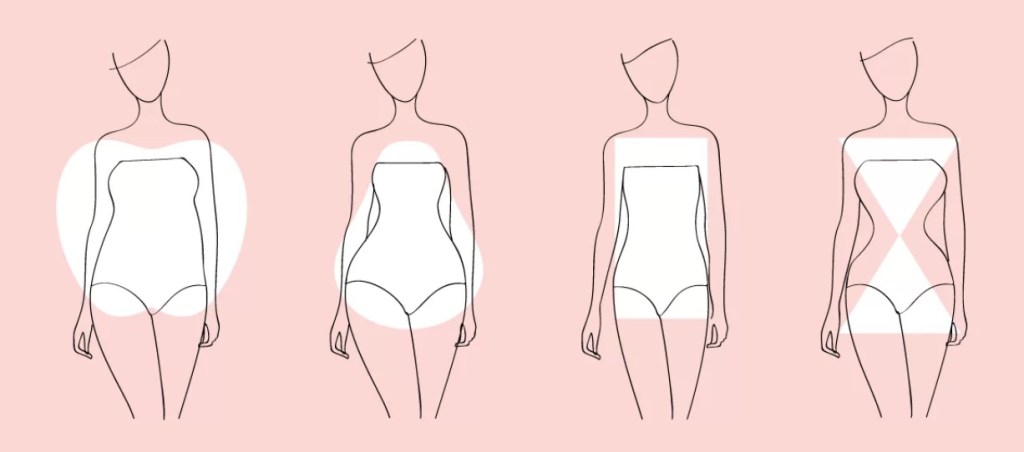
    Know Your Body Shape

    Understanding your body shape can make a big difference in how your clothes fit and look. You do not need to follow strict fashion rules, but knowing your shape helps you make smarter style choices.

    • pear-shaped body (wider hips and smaller upper body), try wearing tops that highlight your shoulders, such as off-shoulder shirts or bright colors on top.
    • apple-shaped (wider in the middle), try flowy tops and dresses that do not cling to your stomach.
    • rectangular (shoulders, waist, and hips are about the same size), use belts or peplum tops to create curves.
    • Hourglass shapes (balanced top and bottom with a smaller waist) often look great in fitted clothes that highlight the waist.

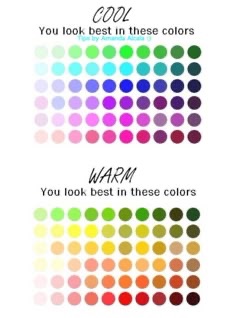
    Find Your Best Colors

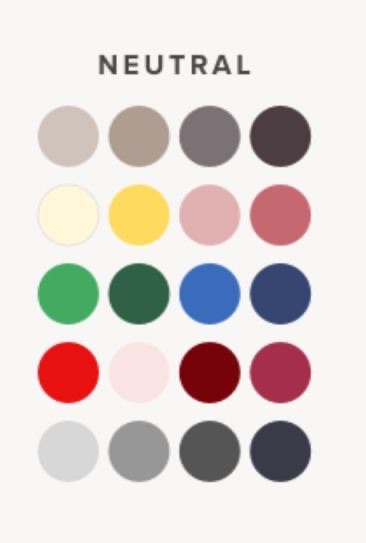
    Wearing colors that suit your skin tone can make your face look brighter and healthier. A good way to find your best colors is to stand near natural light and hold different colored clothes up to your face. Which ones make your skin glow? Which ones make you look tired? Finding the right colors can help your whole outfit come together and highlight your natural beauty.

    • Warm skin tone (yellow or golden undertones), try wearing earthy shades such as mustard, olive, burnt orange, and warm reds.
    • Cool skin tone (pink or blue undertones), colors such as navy, emerald green, lavender, and cool grays often look best.
    • Neutral, Most colors will look good on you just choose your favorites.

    Build with Basics

    A stylish wardrobe starts with a few simple basics. These are items you can wear again and again and mix with almost anything. Once you have these basics, you can mix in trendier or seasonal items such as patterned pants, colorful tops, or statement shoes. Basics are about your outfit’s foundation because they make it easier to get dressed quickly while still looking great.

    • A plain white t-shirt
    • A well-fitting pair of jeans
    • Comfortable black or white shoes
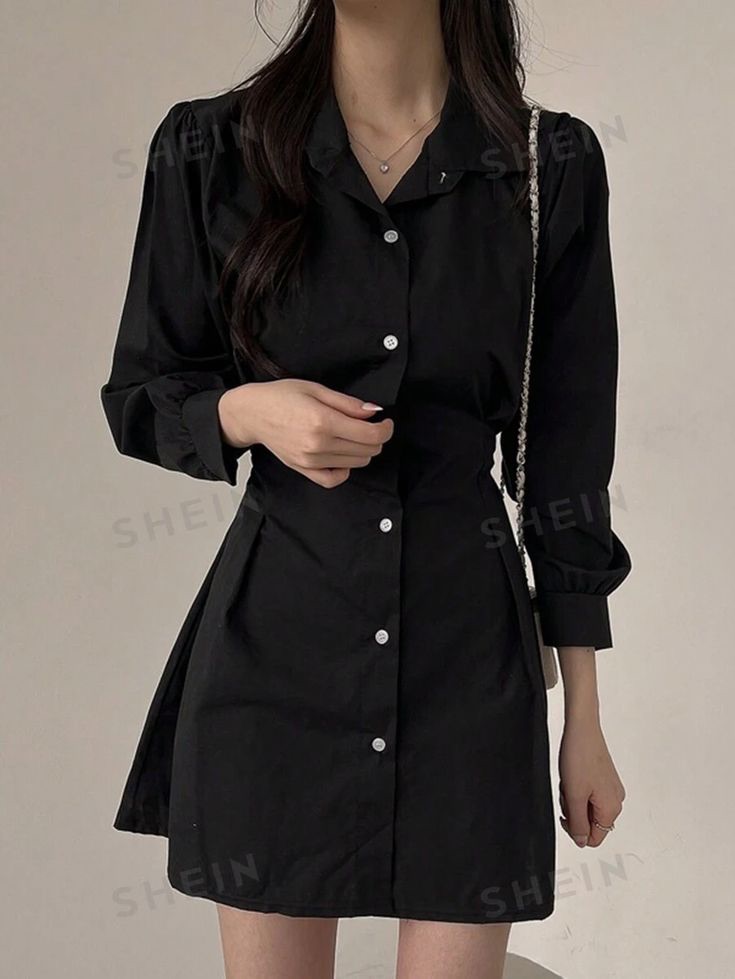
    • A little black dress or a clean button-down shirt

    Dress for the Occasion

    It is important to dress appropriately for the activity or place you are going to. Not every outfit works for every situation. Moreover, you can also have fun mixing styles. Try pairing a fancy top with casual jeans or wearing sneakers with a skirt. Mixing casual and formal pieces is trendy and gives you lots of outfit options. For instance, 

    • Job interview, go for neat and professional, clean lines and simple colors will suit.
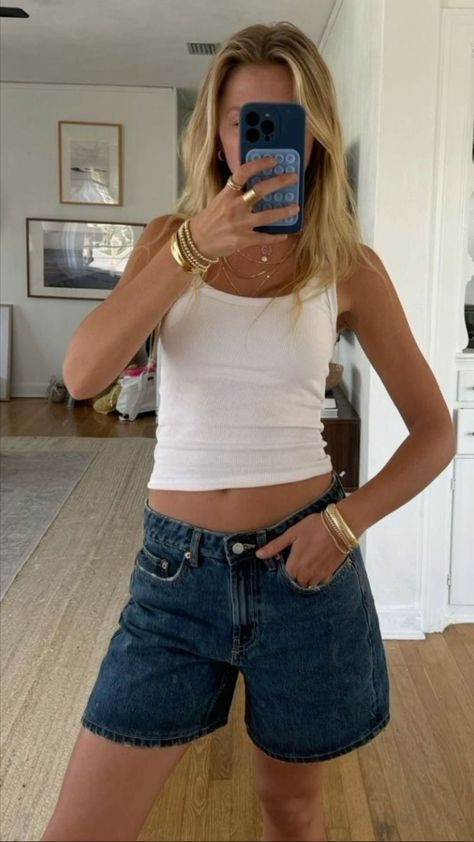
    • Casual hangout, wear something comfortable such as shorts and a tank top.
    • Dinner, A nice dress or collared shirt with dressy shoes can work well.

    Add Accessories

    Accessories are a simple way to show off your personality. Even a plain outfit can look stylish with the right extras. It is not necessary to wear a lot, only a few carefully chosen accessories can make you stand out!

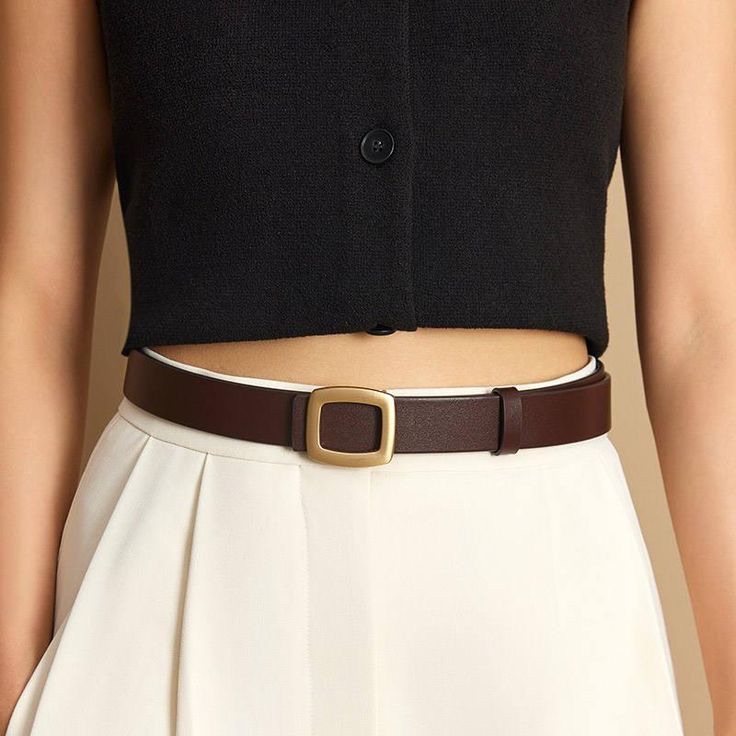
    • A belt can shape your waist or add color.
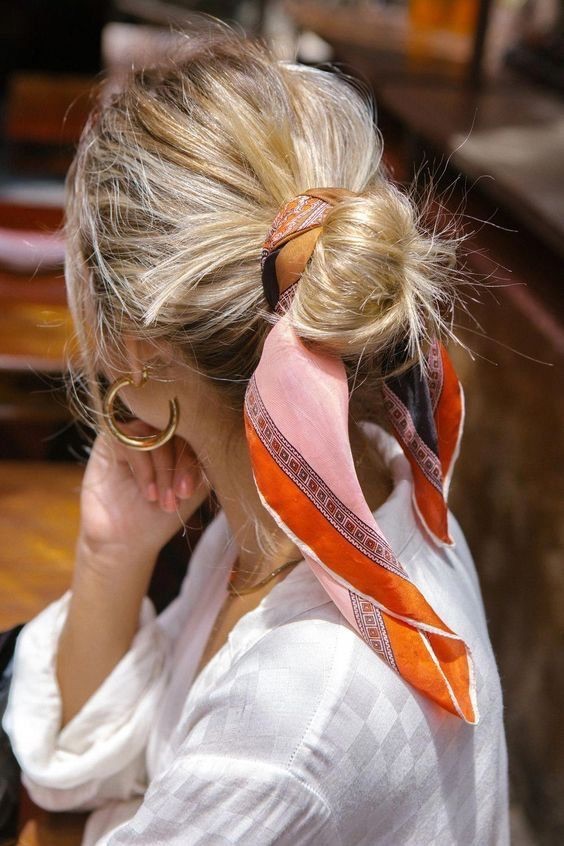
    • Scarves can be worn in your hair, around your neck, or tied on a bag.
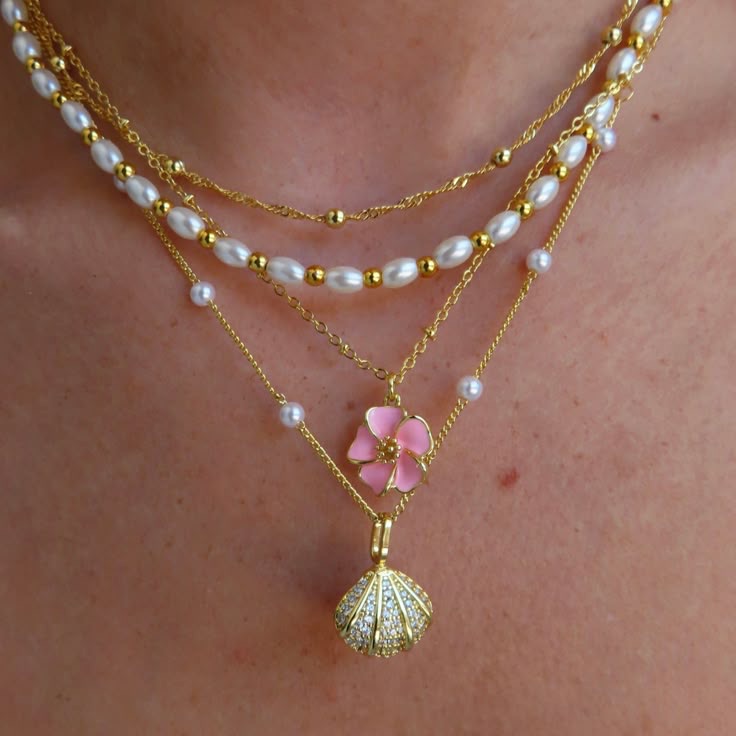
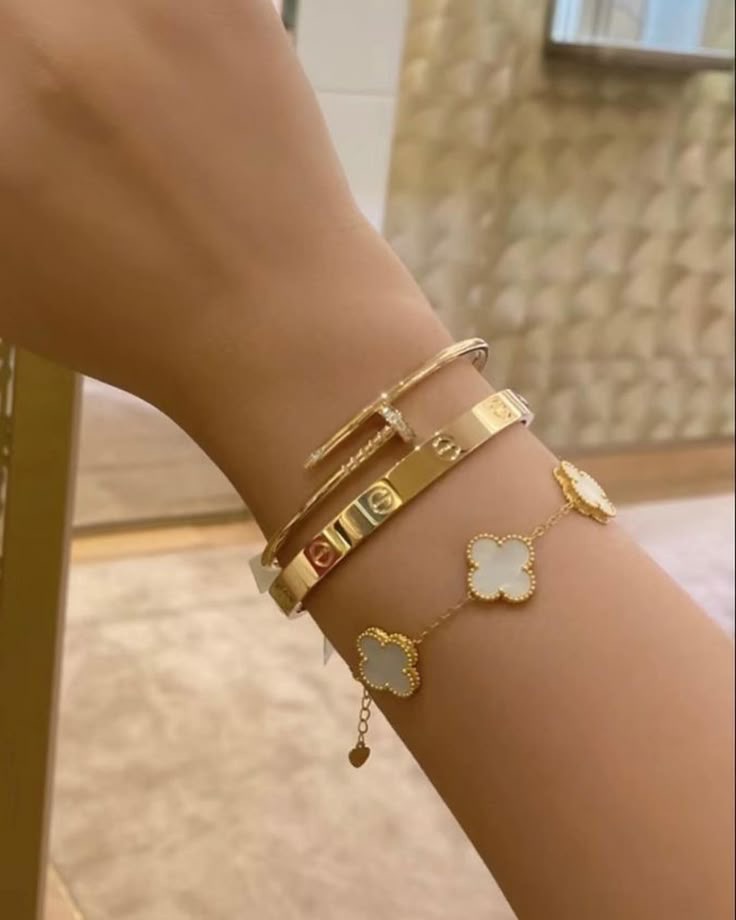
    • Jewelry such as earrings, necklaces, or rings can express your mood or vibe.
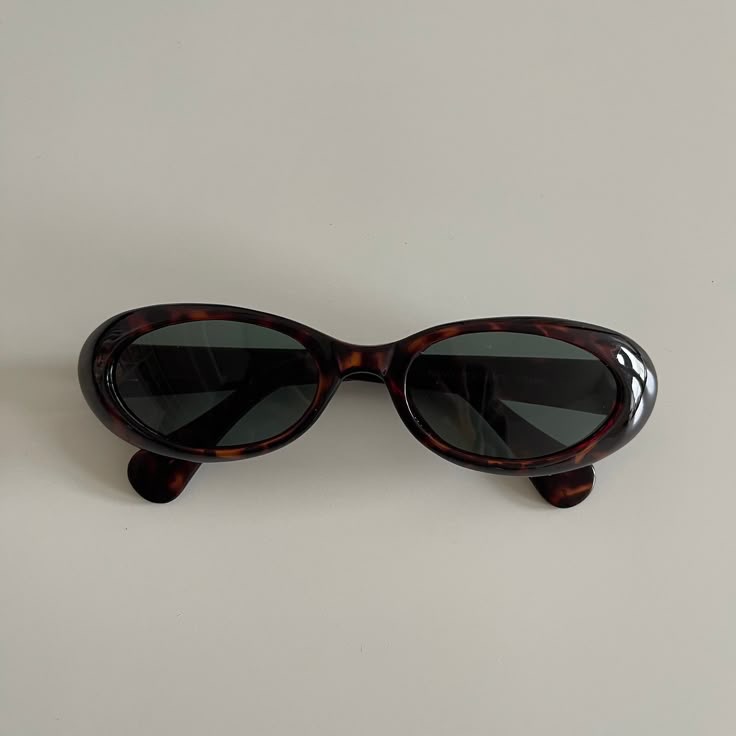
    • Sunglasses, hats, or bags can make a strong style statement.

    Confidence is Everything

    The most important is, confidence is the most stylish thing you can wear. You do not need expensive clothes or designer brands to look amazing and perfect. If you feel happy in your outfit, it will show. Try new styles, play with colors, and do not worry about being perfect. Fashion is meant to be fun! Sometimes, just changing the way you walk or stand can boost how you feel in your clothes. Smile, stand tall, and own your look. Confidence brings any outfit to life.

    Conclusion

    Style is personal and unique, it is about expressing who you are. These easy tips can help you find clothes that fit your shape, colors that make you shine, and pieces that suit your life. Try new combinations, add fun accessories, and most of all, wear what makes you feel like yourself. Fashion is not about perfection, it is about feeling great in your skin and your clothes. Therefore, go ahead, be bold, mix things up, and most importantly have fun with your style.
  • Today’s Trends

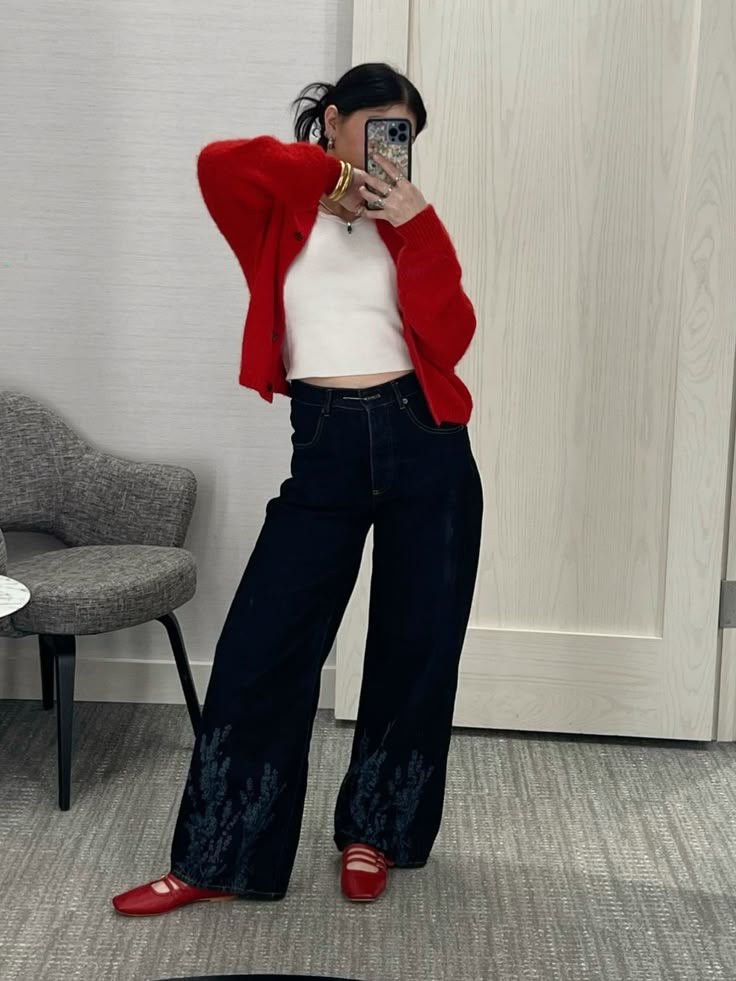
    Fashion is always changing and evolving all the time. It is indefinite!! What was popular last year might not be popular today. That is what makes it exciting! Keeping up with today’s trends will boost your confidence. It feels great to express yourself in this way. This post will guide you through what is trending now.
    Y2k Trends

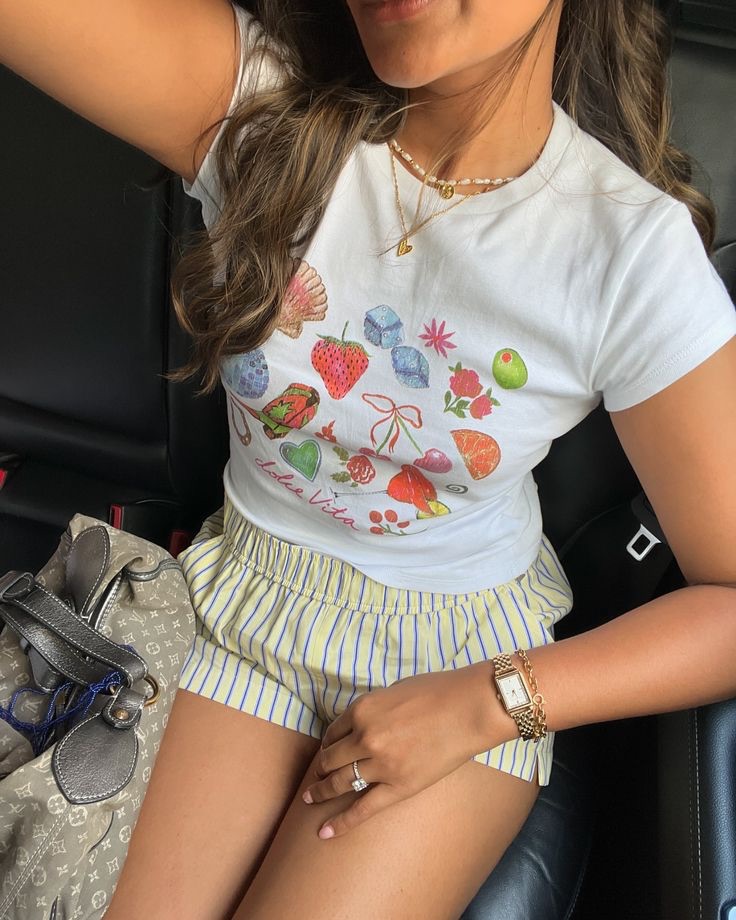
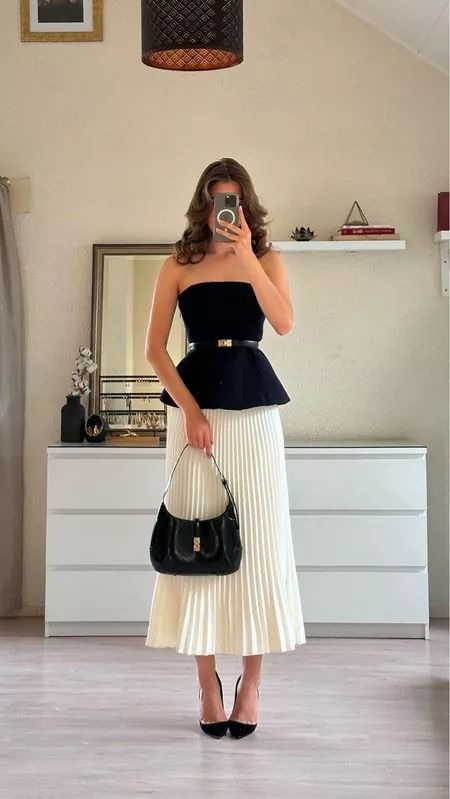
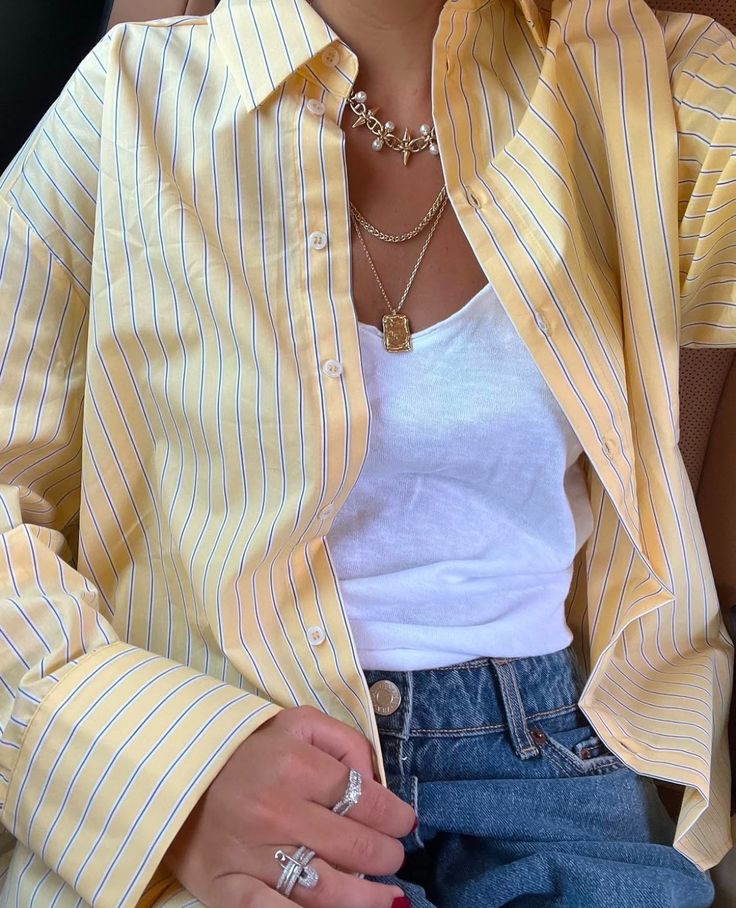
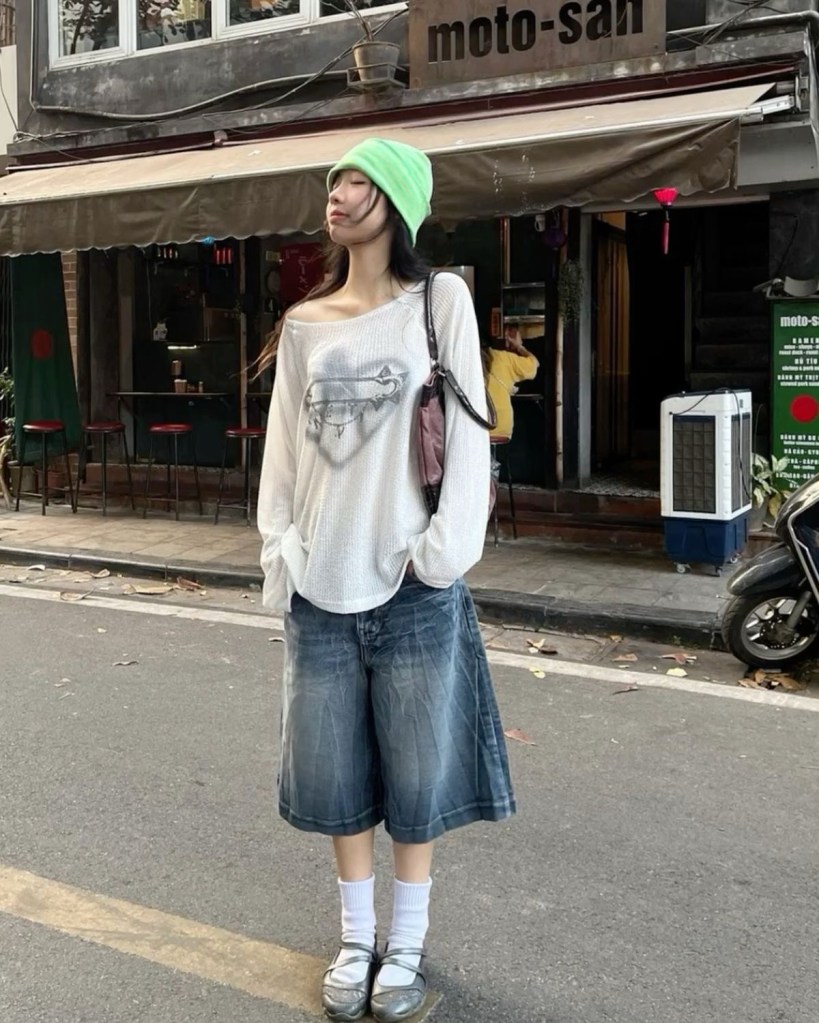
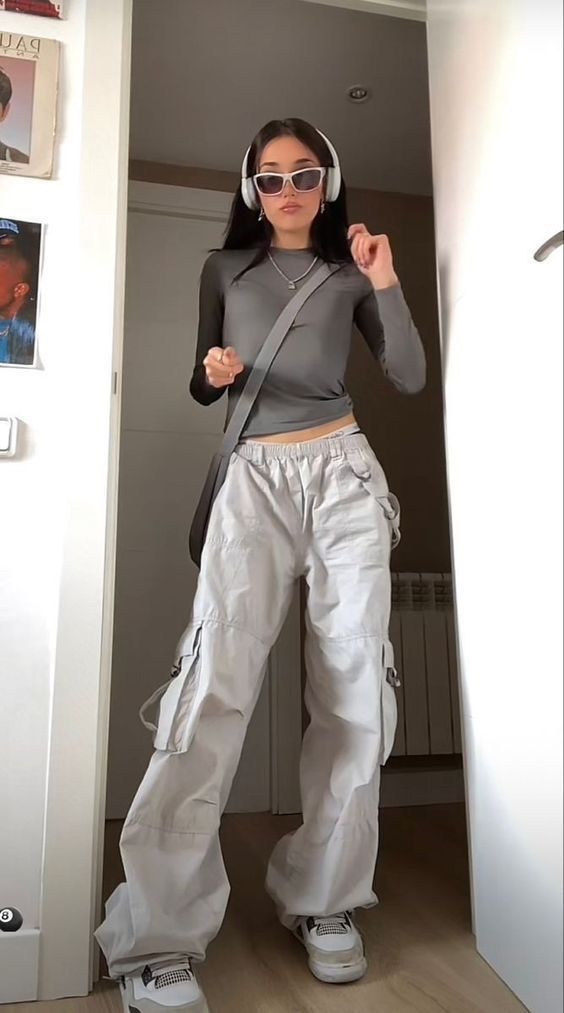
    Y2K fashion is making a major comeback, bringing early 2000s vibes back into today’s closets. The trend is all about fun, bold statements such as baby tees, mini skirts, low-rise jeans, and shiny fabrics. Everything feels playful yet nostalgic, from butterfly clips and chunky sneakers to crop tops and wide-leg pants. The look mixes sweet and edgy, giving you room to experiment and express yourself. It’s less about matching perfectly and more about embracing bold combos, bright colors, and that carefree attitude. Whether you’re dressing up for a night out or just hanging out with friends, Y2K style brings the energy and lets you stand out without trying too hard. 

    Colors and Patterns

    Color plays a big part in summer fashion. Pastel colors like soft pink, baby blue, and mint green are everywhere. These shades are perfect for creating a calm and cute look. If you like something bolder, bright colors like orange, sunshine yellow, and electric green are also trending. These colors give your outfit energy and fun. Many people enjoy color-blocking and wearing two or more bold colors together in one outfit.

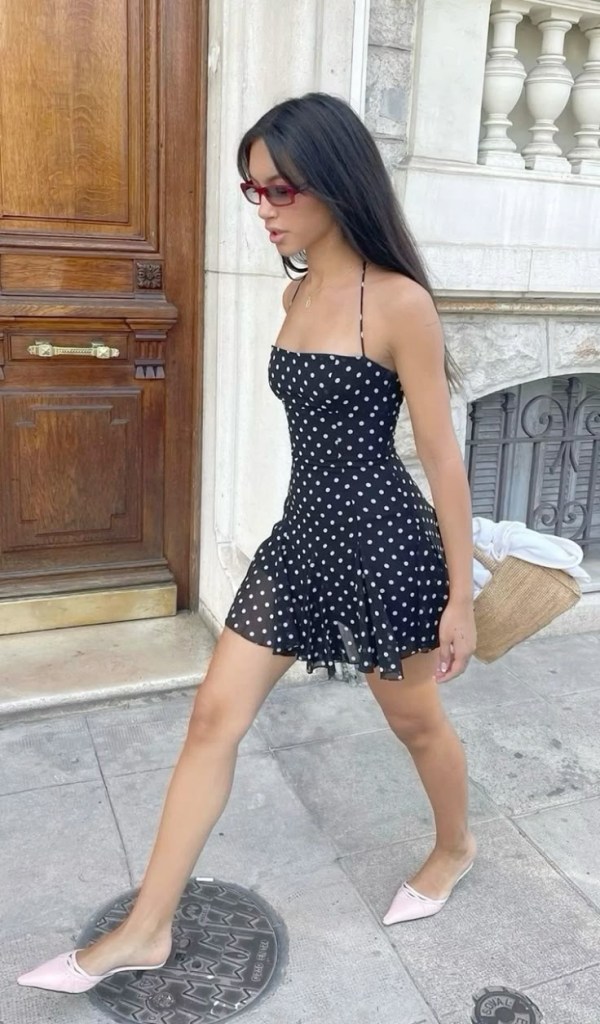
    Patterns are also very popular this season. Floral prints are always a summer favorite, but now we also see tropical designs with palm trees, fruit prints, or even ocean themes. Polka dots and stripes are back too, often mixed together in creative ways. For those who like an artsy vibe, abstract and tie-dye prints are in as well. These patterns can be worn on tops, pants, dresses, or even shoes and bags.

    Must-Have Items

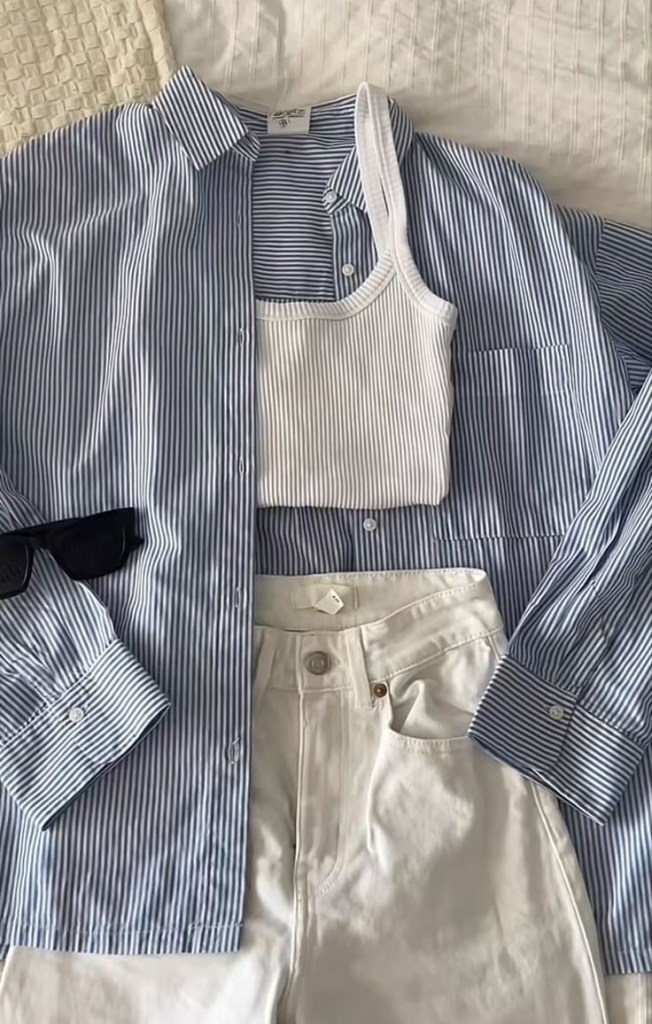
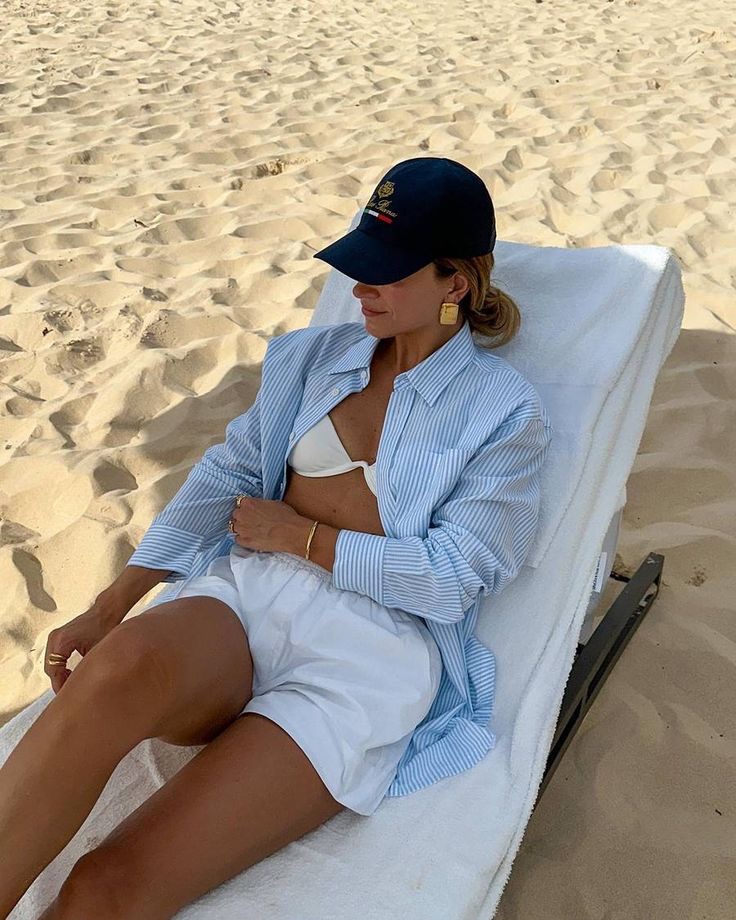
    Every season comes with must-have fashion items, and this summer is no different. Oversized shirts are one of the biggest trends right now. You can wear them over a crop top, swimsuit, or tuck them into jeans or shorts for a casual, stylish look. Cargo pants have also made a strong comeback. They’re comfortable and have plenty of pockets, making them both useful and fashionable.
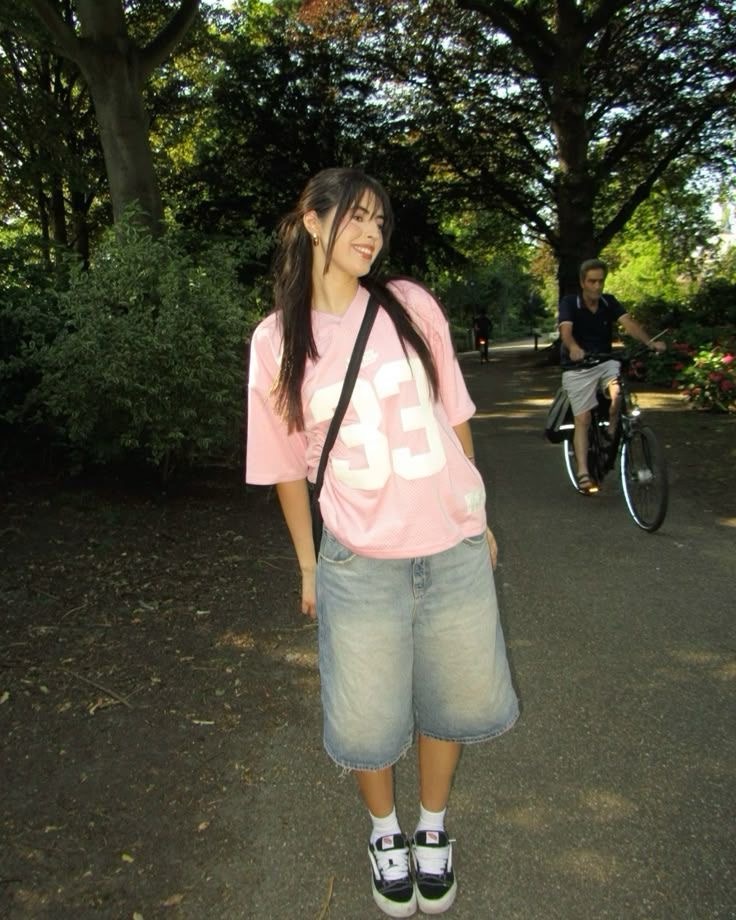
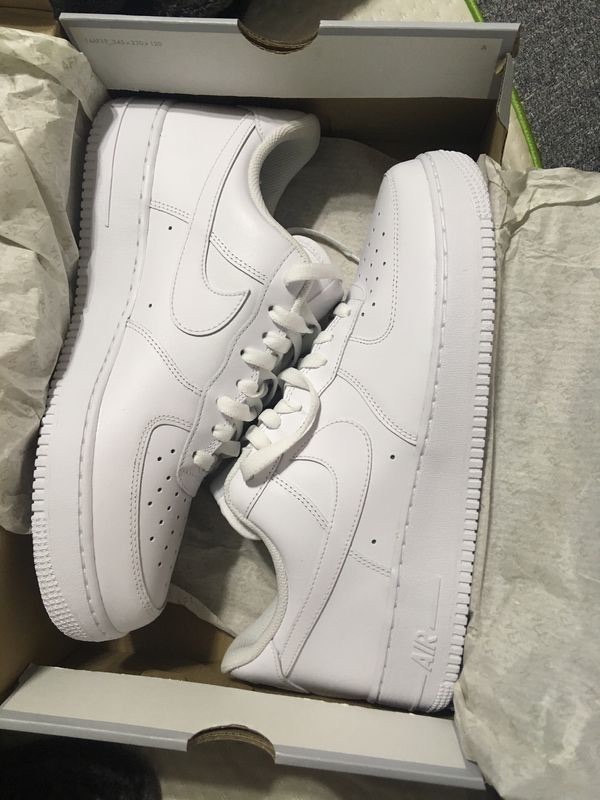
    Matching sets are another popular trend. These include two-piece outfits, like a crop top and skirt or top and shorts in the same fabric and pattern. They’re easy to wear and look put-together without much effort. When it comes to shoes, white sneakers are still a top pick. They go well with almost anything and are great for walking around during the summer. Platform sandals and colorful flip-flops are also trending for a more beachy look.

    Accessories are also important. Bucket hats, colorful sunglasses, and beaded jewelry are everywhere. A fun bag can add a lot of personality to your look.
    Influencer and Celebrity Style

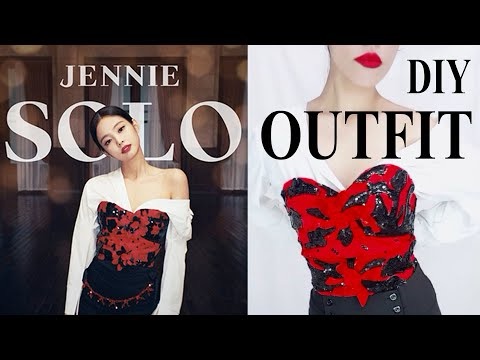
    Many people look to influencers and celebrities for style inspiration. For example, Zendaya, BTS, Jennie from BLACKPINK, and Timothée Chalamet are known for their bold and unique outfits. They often mix street style with high fashion, creating new looks that fans love to copy.

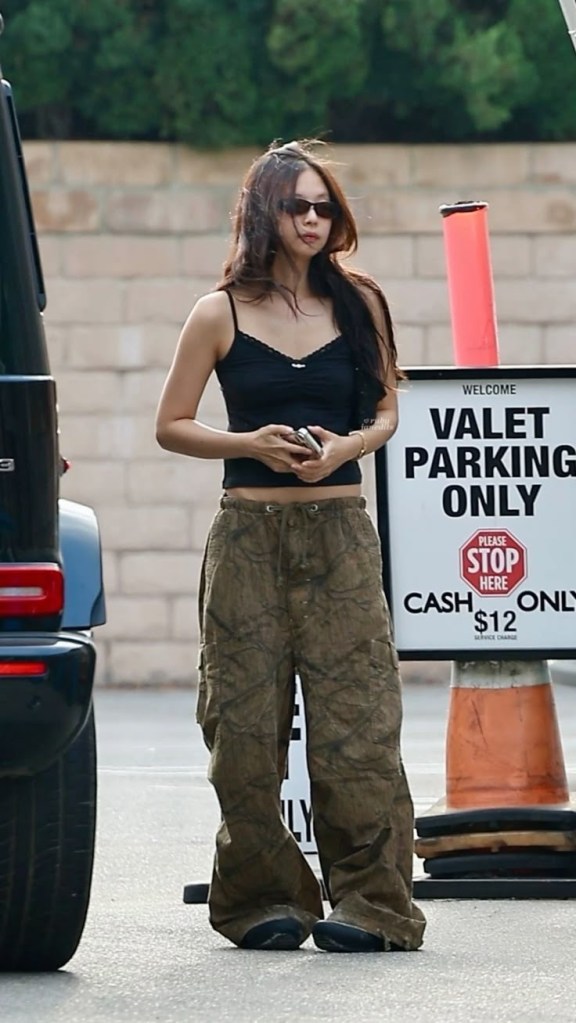
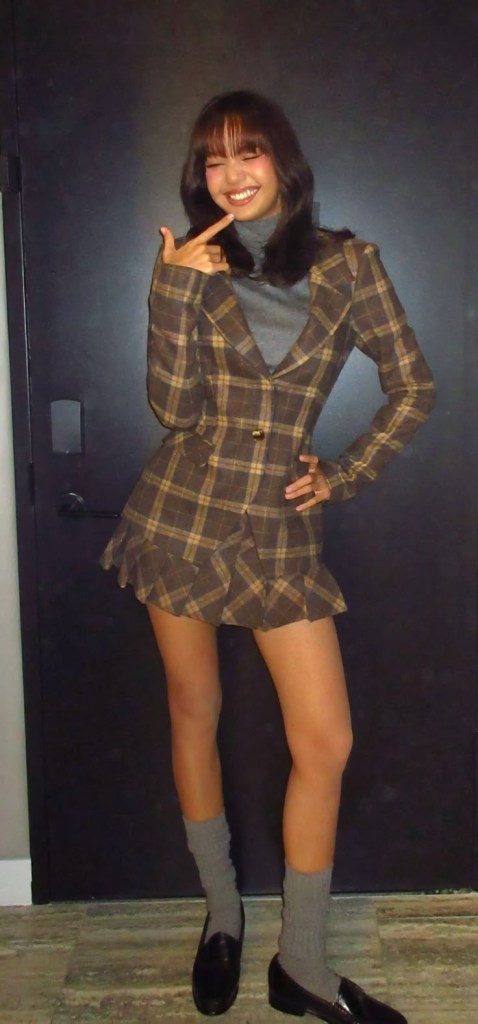
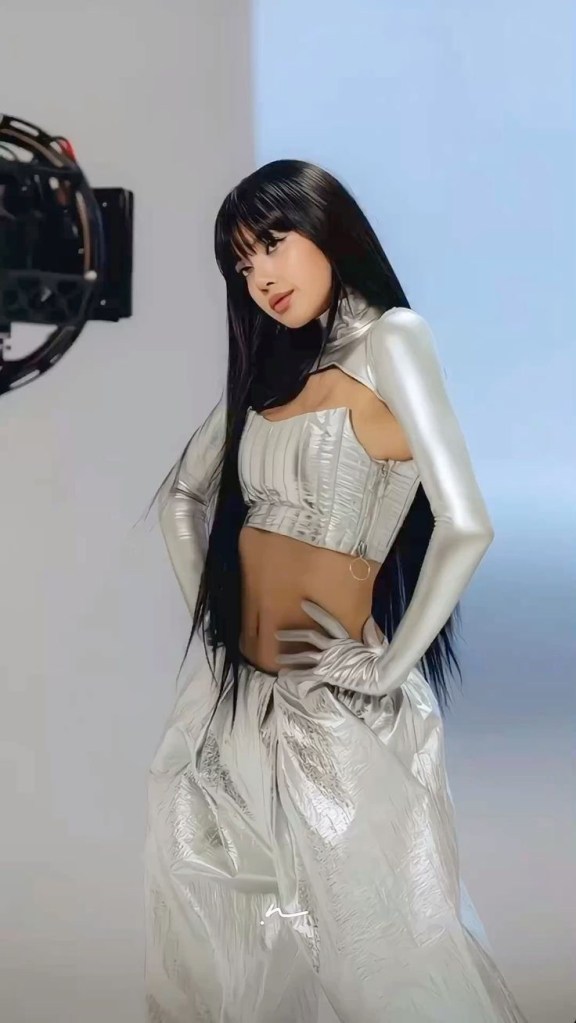
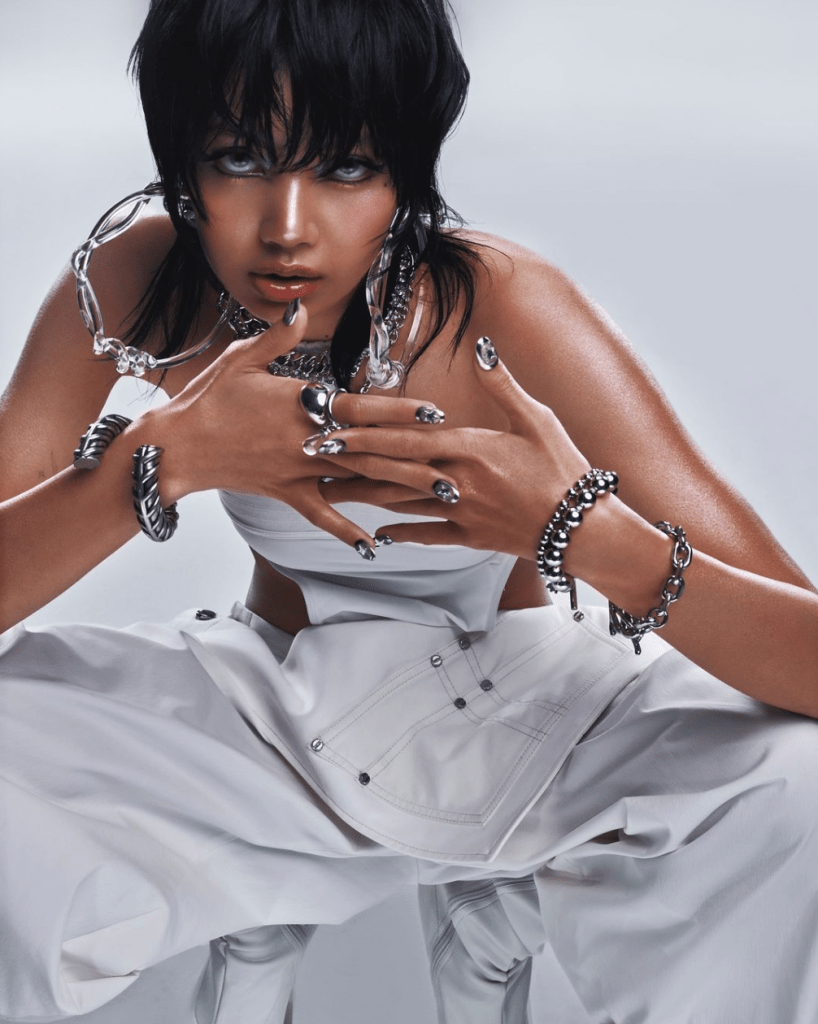
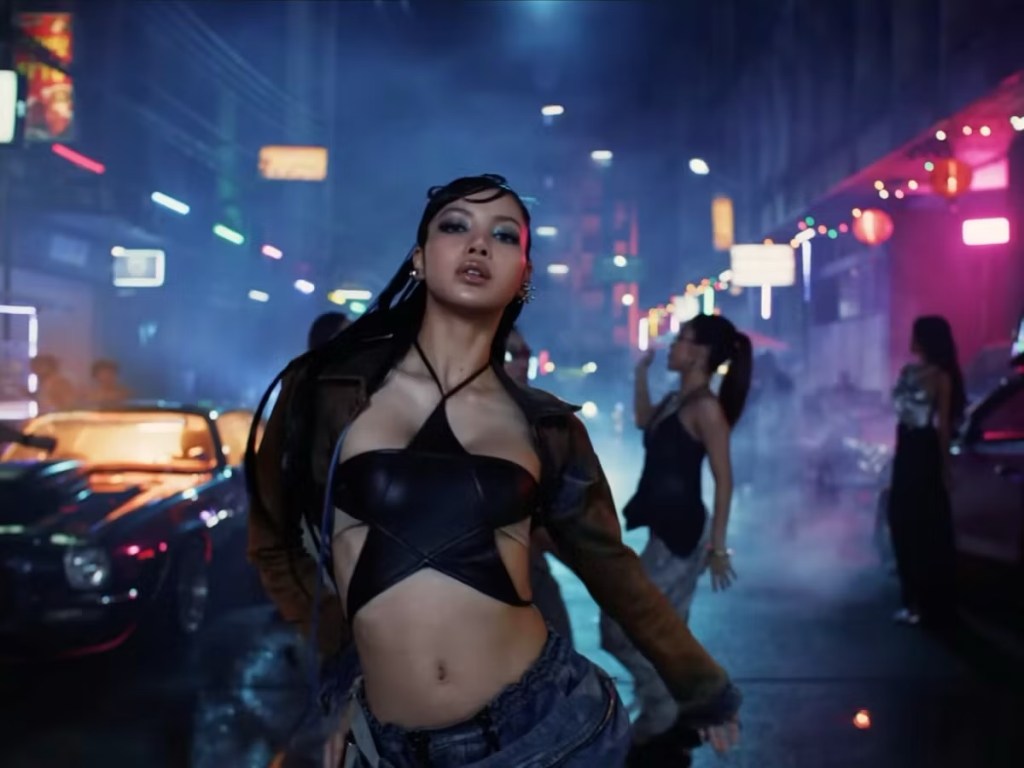
    Many fans love to dress like their favorite K-pop idols, especially stars like Lisa from BLACKPINK in her “Rockstar” or “Star” music video, and Jennie in her “Solo” MV. Lisa’s style in “Star” is bold, street-chic, and full of attitude, Also featuring crop tops, oversized pants, chunky boots, and lots of silver accessories. Fans who want to recreate this look often mix sporty and edgy pieces with strong makeup and slick hairstyles. 

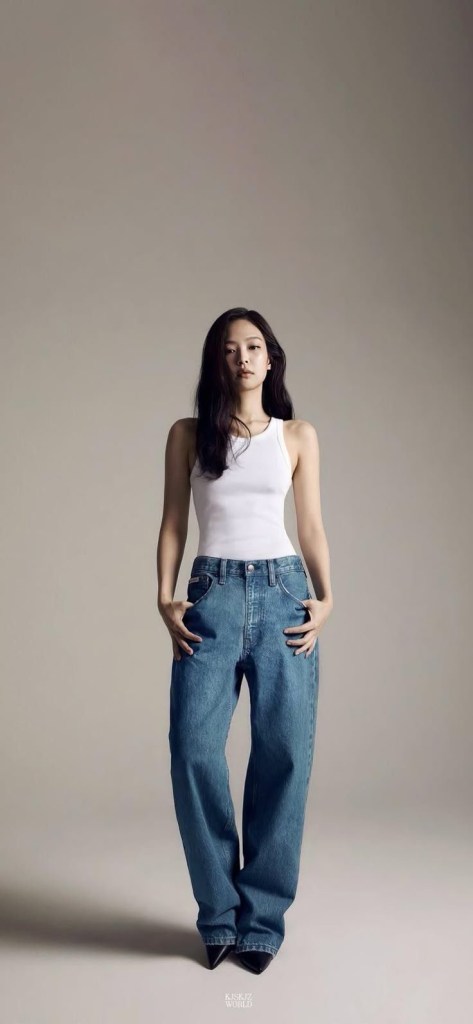
    Moreover, Jennie’s look in “Solo” is feminine and elegant. Fans who follow Jennie’s style often go for a graceful vibe. Many fan clubs enjoy recreating these iconic looks for events, dance covers, and social media posts. It’s a fun way to feel closer to their idols and express themselves through fashion!

    On social media platforms such as Instagram, TikTok, and Pinterest, fashion creators post daily outfit ideas, tips on where to shop, and styling advice. You can search hashtags #OOTD (Outfit of the Day) to find thousands of ideas. Watching how others style their clothes can give you fresh ideas for your own wardrobe.

    Coquette and Dollcore 

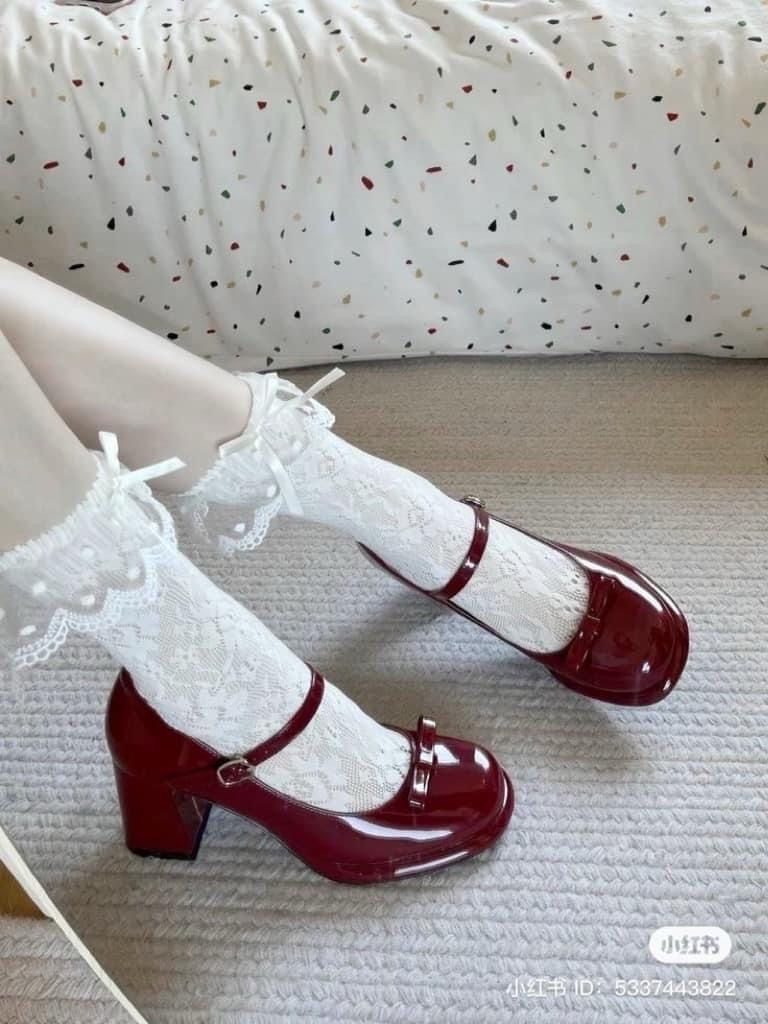
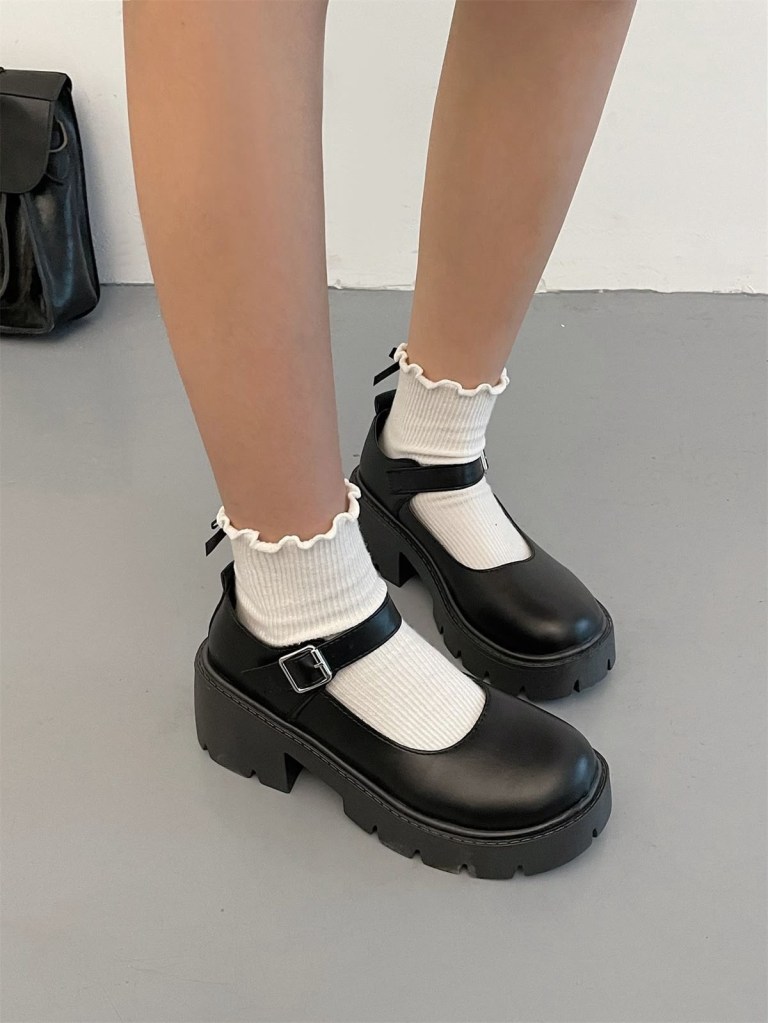
    This style is two feminine aesthetics that share soft, dreamy, and vintage-inspired styles, but each has its own unique vibe. Coquette is all about romantic flirtation, blending innocence with subtle sensuality. It often features lace, ribbons, slip dresses, and soft makeup with rosy cheeks and bold lips. Dollcore is inspired by dolls, focusing on a sweet, childlike, or even slightly eerie look. Outfits often include puff sleeves, baby-doll dresses, Mary Janes, and porcelain-like makeup. While both aesthetics embrace delicate, ultra-feminine fashion, Coquette leans flirtatious and emotional, whereas Dollcore leans toward the cute, surreal, or uncanny.

    Where to Shop

    You do not need to spend a lot of money to follow trends. Many affordable stores offer trendy clothes at good prices. Places such as H&M, Uniqlo, Zara, and Cotton On have a wide range of styles for different body types and tastes. 

    If you prefer shopping online, websites or applications such as, SHOPEE, and Lazada are very popular. These shops have big selections and often follow current fashion trends closely.

    If you enjoy being eco-friendly, you can also find trendy clothes at thrift stores or secondhand shops. Many apps let people sell their gently used clothes, so you can find trendy items for less while also helping the planet.

    Conclusion

    Fashion trends are always changing, but you do not need to follow every single one. Pick the ones that match your style and personality. The most important thing is to wear what makes you feel happy, confident, and like yourself. Trying new trends can be exciting, but it’s okay to mix them with your favorite old pieces too. Fashion is all about expressing who you are so enjoy it, explore different looks, and have fun with your clothes!

Design a site like this with WordPress.com
Get started