Dark Side of Fast Fashion: Cheap, But Is It Worth It?
Let’s be honest, we all love new clothes. Whether it’s a cute top you spotted online or a trendy jacket that’s “too good to miss,” buying fashion has become a monthly (or even weekly) habit for many of us. I was having that habits too until I stopped to think about the true cost behind those low prices?
The fashion industry is now considered the second-largest polluting industry in the world (UNECE, 2018), and its impact goes far beyond what we see in our closets. In this blog, let’s take a closer look at what fast fashion is doing to the planet, to people, and even to our wallets.
1. Environmental Damage: The Hidden Footprint
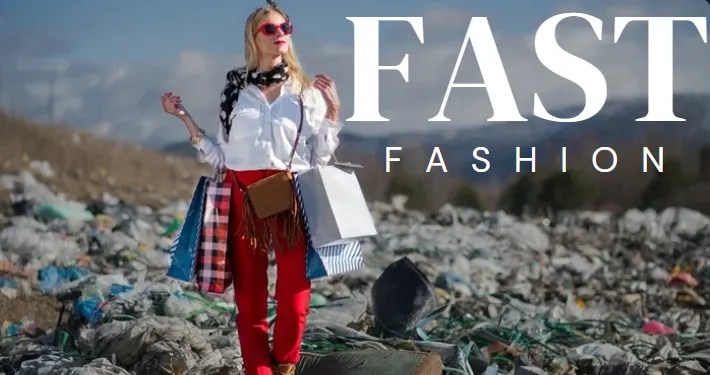
From the moment synthetic fabrics are produced to the moment our old clothes are thrown away, the fast fashion industry leaves a massive environmental footprint to the environment.
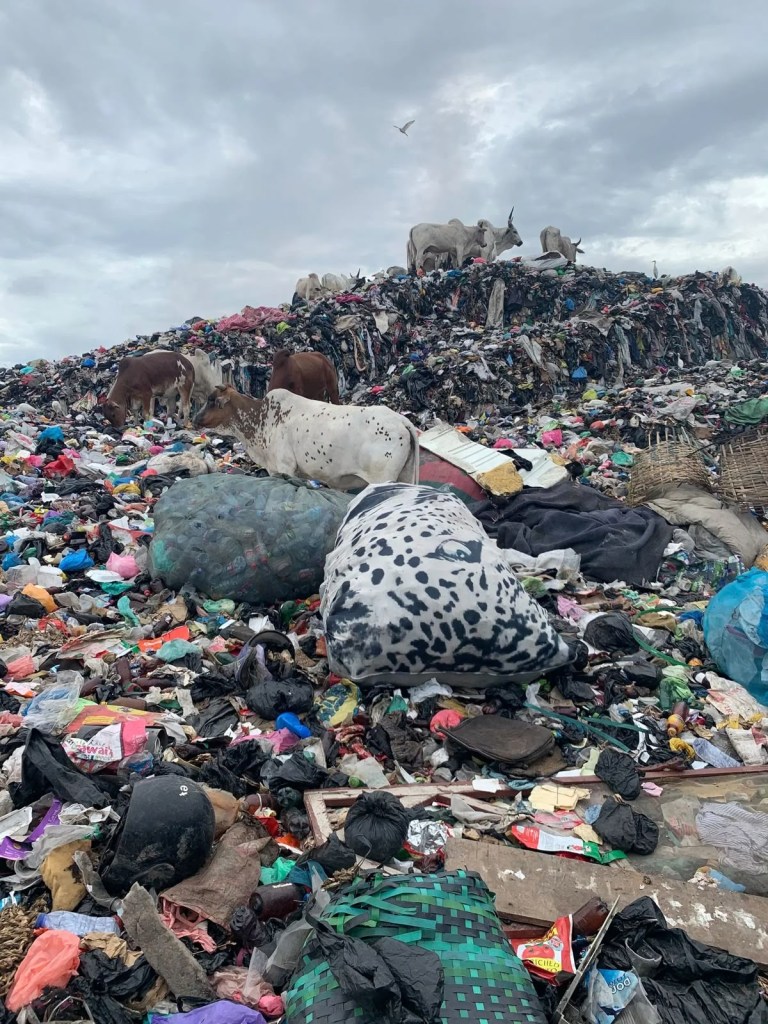
Textile Waste: Every year, over 92 million tons of clothing end up in landfills (UNECE, 2018). Most of it is made from synthetic materials like polyester, which can take up to 200 years to break down (Niinimäki et al., 2020).That means the shirt you threw away last year might still be sitting in a landfill in the year 2225 long after we’re gone. The fashion industry isn’t slowing down, either. As trends move faster and garments are made cheaper, more clothing is produced and discarded every year.
Therefore, true cost is the amounting environmental crisis we can’t afford to ignore.
It’s time we take a closer look at what we wear, how we buy, and where it all ends up. Because the planet is paying the price.
Water Usage: Making just one cotton shirt uses up to 2,700 liters of water, enough drinking water for one person for 2.5 years (WWF, 2013).
Chemical Pollution: The dyeing and finishing processes in textile manufacturing use toxic chemicals, many of which are dumped into rivers and oceans. This harms aquatic ecosystems and nearby communities (Niinimäki et al., 2020), which not only affects aquatic life but also impacts the next-line consumers—potentially us, humans.
2. The Human Cost Behind the Price Tag
While we enjoy low prices and fast shipping, someone else is paying the price, often with their health, safety, or freedom.
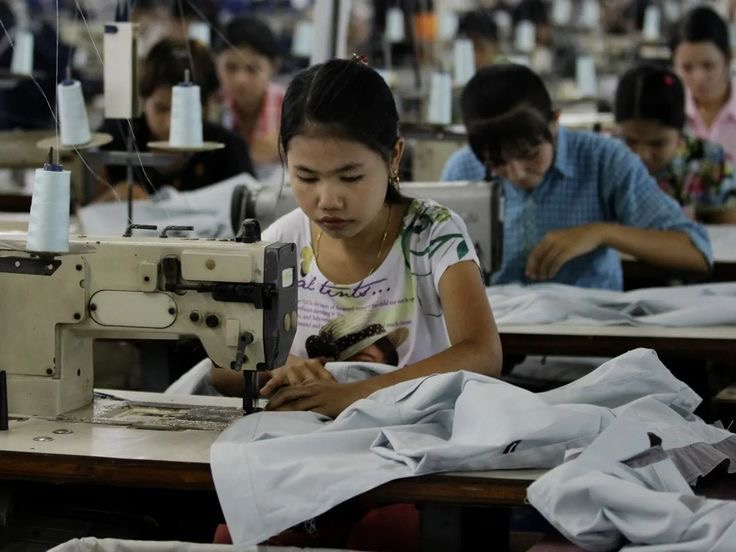
Exploitation: Many fast fashion items are produced in factories located in developing countries where labor laws are weak or not enforced. Workers, sometimes even children are forced to work in unsafe conditions for very low wages and long hours (Clean Clothes Campaign, 2019).
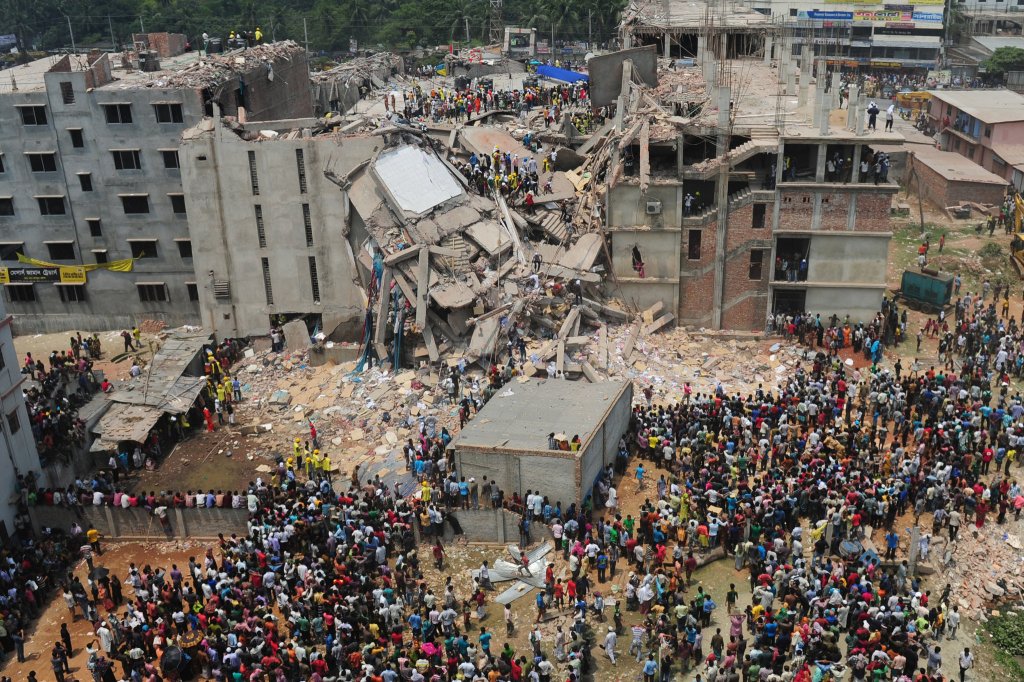
Tragedy That Sparked Change: In 2013, the Rana Plaza factory in Bangladesh collapsed, killing more than 1,100 workers. This tragedy revealed the harsh reality behind the industry and the lack of accountability for the lives behind our clothes (Hoskins, 2014).
3. Economic Waste and Poor Quality
You might think fast fashion helps you save money, but in the long run, it could be costing you more.
Cheap = Short Lifespan: Fast fashion pieces are often made with low-quality materials and poor craftsmanship. They fall apart quickly, leading to a cycle of buying, tossing, and replacing, which means more waste and more spending over time (Niinimäki et al., 2020).
Loss of Craftsmanship: As global fast fashion brands expand, they often push out local artisans and small-scale businesses. Traditional textile skills and creativity are being replaced by mass production focused on speed and profit (Fletcher & Tham, 2019).
In Conclusion
Fast fashion may seem cheap and convenient, but it comes with a cost onec we’re all paying for, whether we realize it or not. From polluting the earth, to exploiting labor, to wasting our money, the damage is real.
So next time you’re tempted by that cute outfit, Pause Before You Purchase and rethink again. Because Small changes in how we shop can make a big difference. Let’s start being more thoughtful about what we wear and who we support when we buy it.
If you liked this post, feel free to share your thoughts below or tag a friend who needs to read this.
References
Clean Clothes Campaign. (2019). Tailored Wages 2019: The state of pay in the global garment industry. https://cleanclothes.org
Fletcher, K., & Tham, M. (2019). Earth Logic: Fashion Action Research Plan. https://earthlogic.info
Hoskins, T. (2014). Rana Plaza: A wake-up call for the fashion industry. The Guardian. https://www.theguardian.com
Niinimäki, K., Peters, G., Dahlbo, H., Perry, P., Rissanen, T., & Gwilt, A. (2020). The environmental price of fast fashion. Nature Reviews Earth & Environment, 1(4), 189–200. https://doi.org/10.1038/s43017-020-0039-9
UNECE. (2018). Fashion and the SDGs: What role for the UN? https://unece.org
WWF. (2013). The impact of a cotton T-shirt. https://www.worldwildlife.org
 Fashion
Leave a comment