How Small Clothing Brands Can Help Save the Planet from Fast Fashion
If you’ve ever asked yourself, “Can my small clothing brand really make a difference?”, the answer is yes.
Fast fashion has made trendy clothes more accessible than ever, but it comes at a serious cost. For example, one cotton shirt can use around 2,700 liters of water to produce, enough to keep one person hydrated for 2.5 years (WWF, 2013). Add to that the issues of unfair labor, overproduction, and waste, and it becomes clear that something needs to change.
The good news is that small brands are in a unique position to lead that change. Here’s how your brand can be part of the solution, without compromising on style.
1. Focus on Quality Over Quantity
One of the biggest problems with fast fashion is low-quality clothing that doesn’t last. Research shows that consumers are discarding clothing at a faster rate than ever, with over 92 million tons of textile waste generated globally each year (UNECE, 2018).
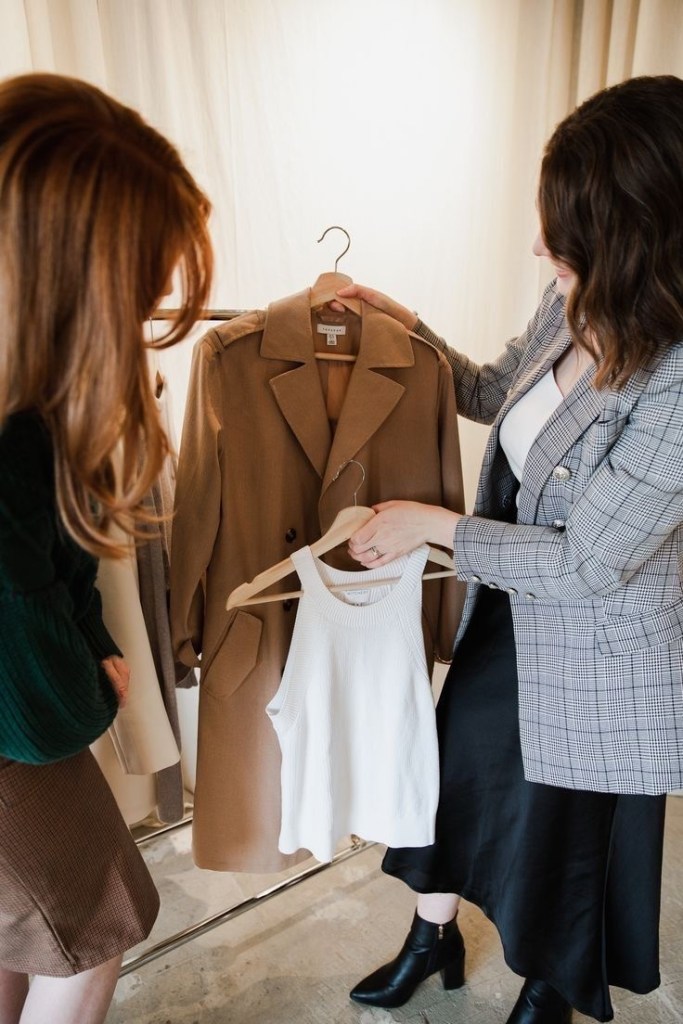
Small brands can help change this by Using high-quality fabrics that last longer, prioritizing strong construction and finishing, and designing versatile pieces that people want to wear often. Longer-lasting clothing reduces waste, saves customers money, and builds brand trust over time.
2. Choose Sustainable and Ethical Materials
The materials you choose have a big environmental impact. For instance, polyester, one of the most common materials in fast fashion, can take over 200 years to decompose and sheds microplastics with every wash (Niinimäki et al., 2020).
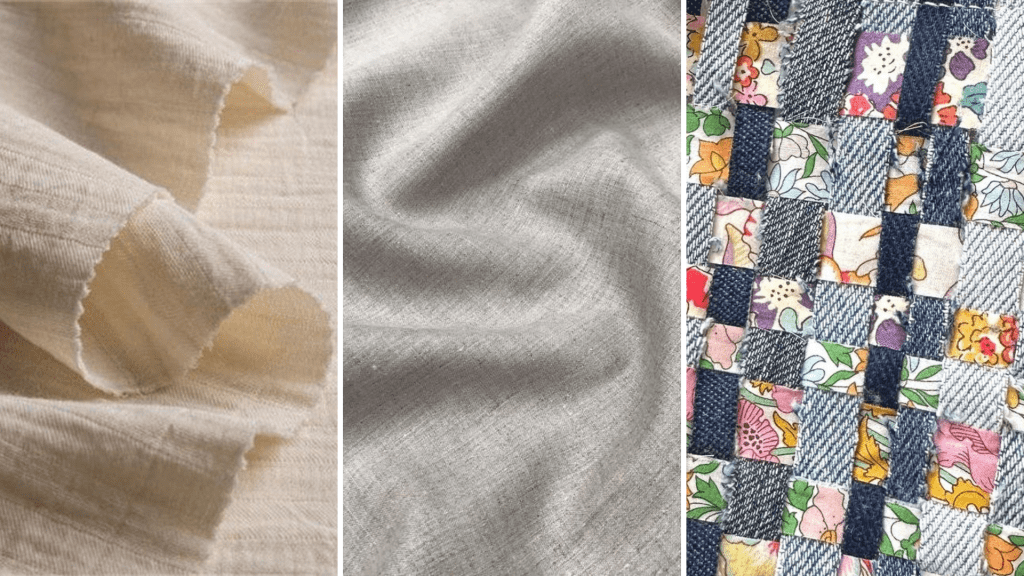
More sustainable alternatives include: Organic cotton – grown without synthetic pesticides and using less water (Textile Exchange, 2022), Linen and hemp – naturally renewable and biodegradable fibers, or Recycled fabrics – made from old textiles or post-consumer plastic waste Using certified materials like GOTS (Global Organic Textile Standard) or OEKO-TEX also shows transparency and builds customer confidence.
3. Reduce Overproduction with Smarter Models
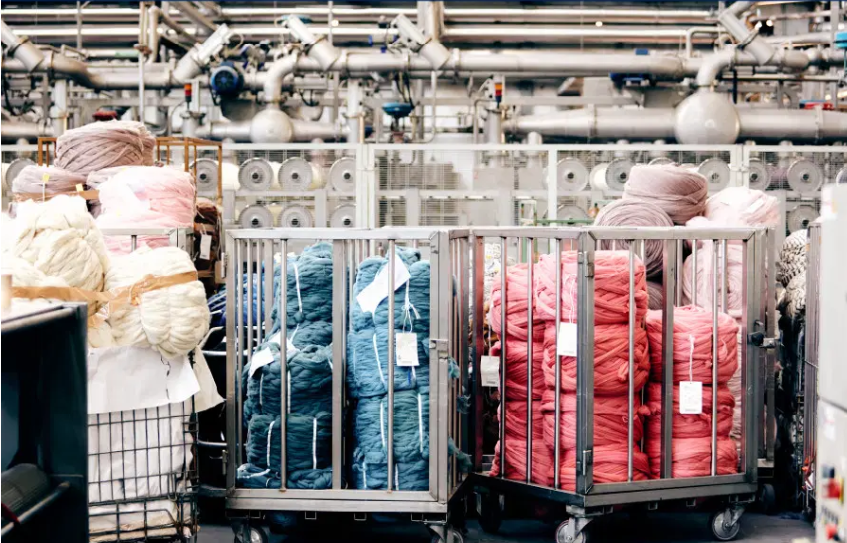
Overproduction is one of the fashion industry’s biggest environmental issues. An estimated 30% of clothing produced is never sold (McKinsey & Company, 2020). Many of these items end up in landfills or are destroyed.
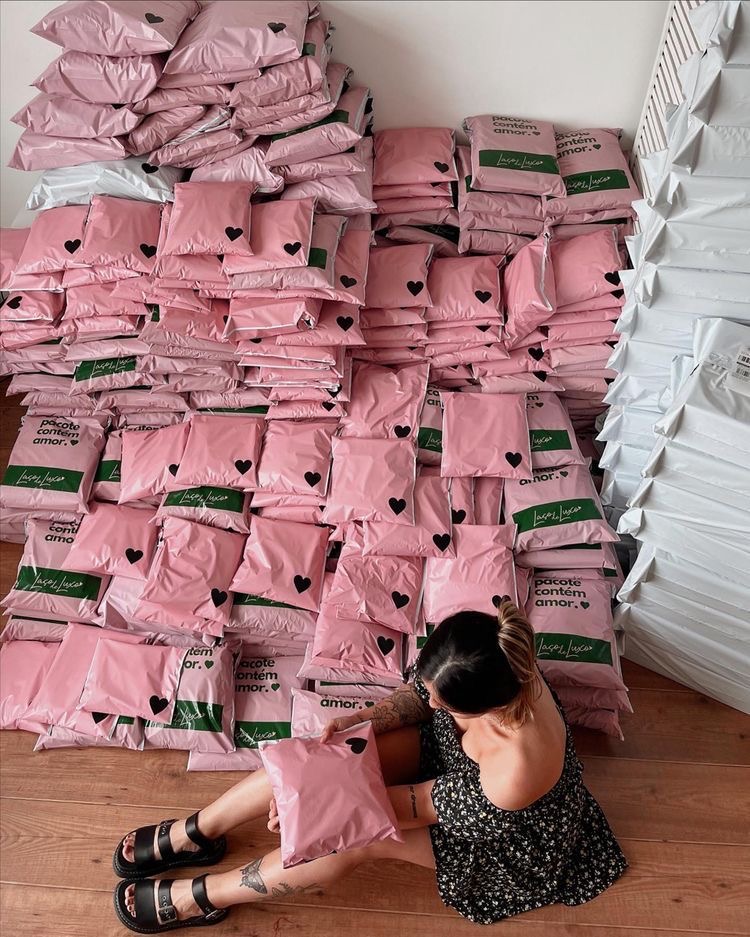
Small brands can avoid this by: Making small batches of stock, using a pre-order or made-to-order model, or creating timeless, seasonless designs that stay relevant longer These methods help reduce waste, lower inventory risks, and create a more sustainable and personal experience for customers.
4. Promote Transparency to Change Consumer Habits
To fight fast fashion, you have to change how people think about clothing which transparency is a powerful way to do that.
Fast fashion thrives on hiding the real cost of cheap clothes: unethical labor, environmental damage, and planned obsolescence. As a small brand, you can take the opposite approach. When you openly share how your products are made ,who makes them, what they’re made from, and why they cost what they do, you help your customers understand the true value of fashion.
This shift in mindset helps reduce fast fashion by: Encouraging mindful buying when people understand the impact behind a piece, they’re less likely to buy impulsively, Building trust in slow fashion transparency makes people feel good about choosing ethical over cheap ,and Creating emotional connection stories make clothes meaningful, so people are more likely to keep and care for them
Post behind-the-scenes content, explain your pricing, highlight your fabric sourcing, or tell the story of the makers behind your pieces. Education through storytelling helps break the cycle of overconsumption that fast fashion feeds on and inspires real, long-term change in buyer behavior.
In conclusion
Fast fashion is built on speed and volume, but that often means sacrificing ethics, quality, and sustainability. As a small brand, you have the freedom to take a different path and make it become your unique selling point or key marketing point
By choosing better materials, producing thoughtfully, and prioritizing durability, you’re not just selling clothes. You’re offering real value and helping move the industry in a better direction.
Fashion can be successful and sustainable, where you can lead the way of it!

 Fashion
Leave a comment