Influencers Promoting Identity & Self-Expression
In a world full of perfect-looking people online and trends changing rapidly, being yourself seems to be easier said than done. However, Gen Z views fashion as a way to express themselves to the world, who they are, not just an excuse to follow trends. Therefore, influencers are helpful in this situation. They’re not only outfit guiders, but they’re also a reflection of identity, confidence, and self-expression in real life.
Your Style, Your Story
The definition of the word “style” is very personal to this generation. Clothes are a language for them; the way people dress can tell the story about what the wearer’s feelings and aspirations are. Whether it’s Y2K, coquette, or streetwear, it all has meaning, and it’s the way to convey which type of person you are.
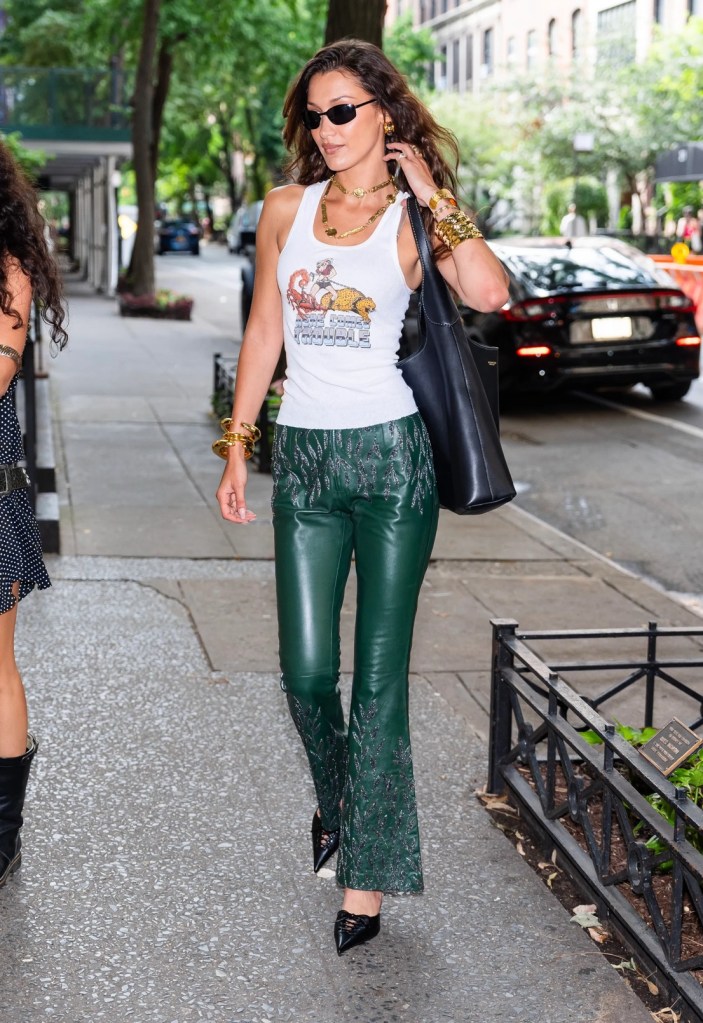
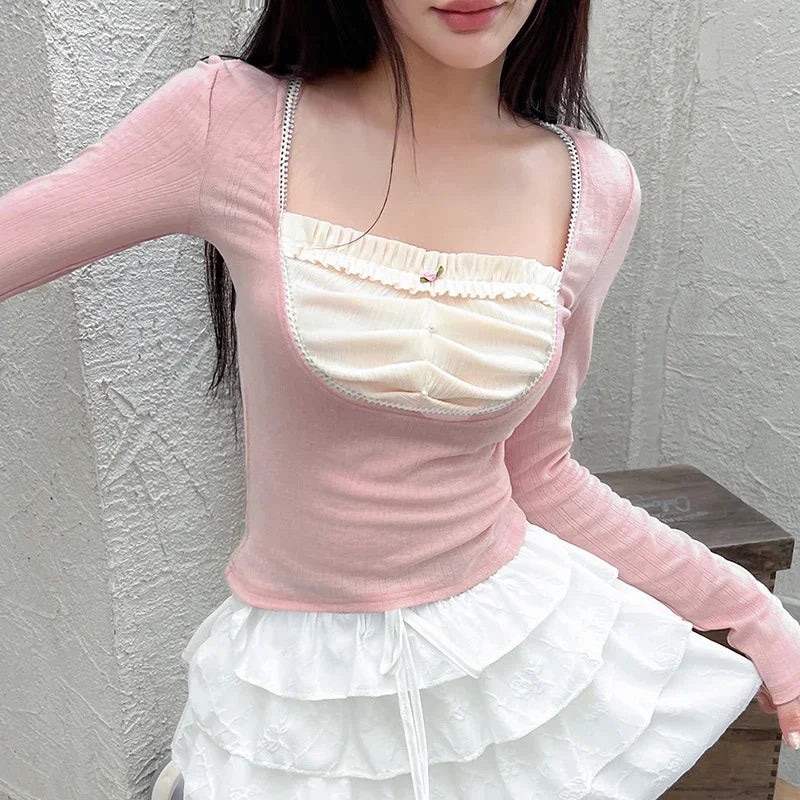
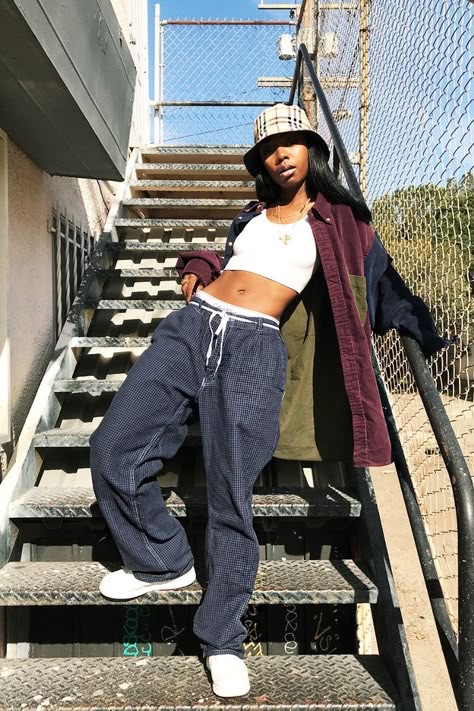
Instead of copying matched clothes like runway fashion, Gen Z turns to influencers who are genuine about themselves, such as their backgrounds, personalities, and flaws. Why? Because those sincere influencers show society that they can be themselves, which inspires people to want to express who they are as well.
Influencers as Identity Role Models
Some influencers don’t display only stylish outfits; they do more than that. They share their personal experiences, maybe like they grew up in a rural area, didn’t reach society norms, or even experienced insecurity. Because of honest talking by creators, Gen Z feel less isolated and have more motivation to speak for themselves.
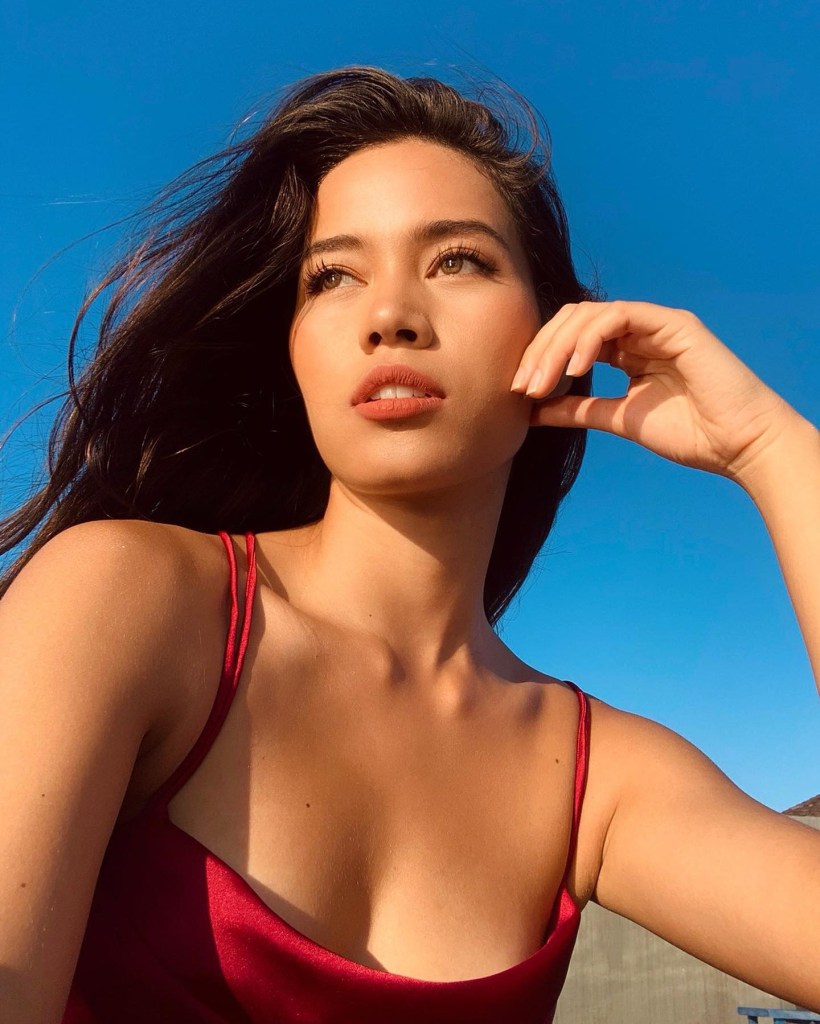
Take Ticha Kanticha, the winner of The Face Thailand season 2, as an example. She’s not only fashionable, but she also sends strong messages about self-worth and confidence. She once talks about fashion that goes hand in hand with people, which can help to enhance and promote your inner feelings and identity much more clearly. She tries to encourage everyone to feel free to dress as they prefer to support self-worth and equality. Ticha’s tangible example makes more people come out and accept themselves more through their clothing choices.
The purpose of her content doesn’t aim to gain a lot of followers, but she wants to tell her audiences that “you can be you.”
When Fashion Meets Feelings
Emotion is linked to style expression. Once you feel sad, you may not want to dress too much. On a day that you feel good and happy, you might want to wear something extra. Or on a chilly day, you might feel comfortable to wear a tee shirt with shorts. There is some content that influencers post about what they’re wearing when they feel …, like “SAD GIRL OOTD”. This can remind watchers that fashion is not always needed to look good; just wear what you want to wear.
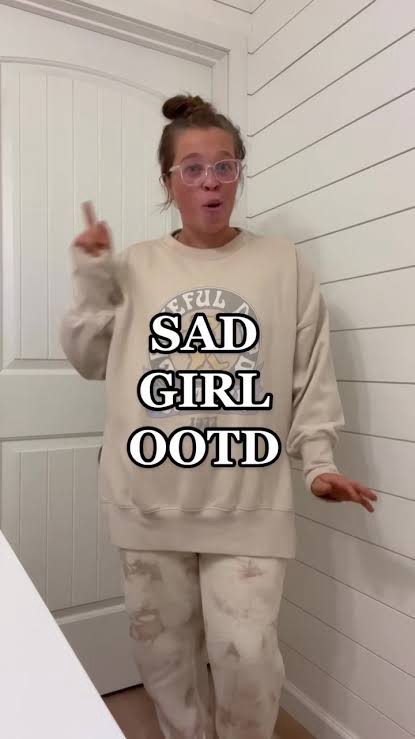
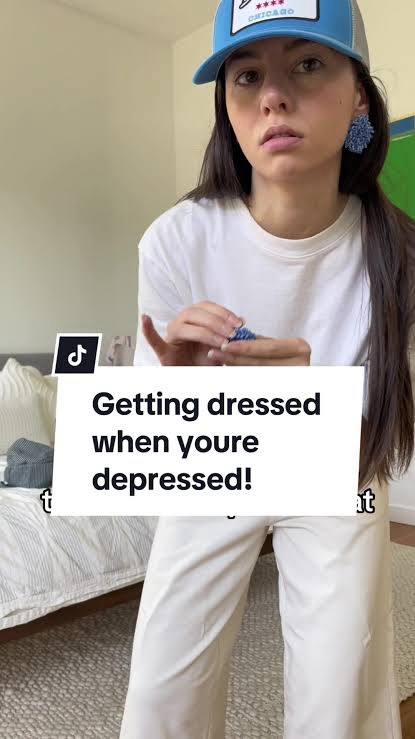
Fashion = Feeling good, not just looking good.
The Shift from Trends to True Self
Gen Z gradually changed their mindset from the idea that everyone must follow the same trends. More teenagers follow influencers who combine trends but still can keep their own signature by reflecting who they are rather than dressing like everyone else. The priority of fashion is to wear something you feel comfortable and happy in. Everyone is unique. Fashion has no rules; there is no force saying what outfit you should wear today or shouldn’t in the next. Fashion is becoming more authentic and significant as Gen Z learns to mix and match to create their own style for themselves rather than merely for likes.
Small Creators, Big Impact
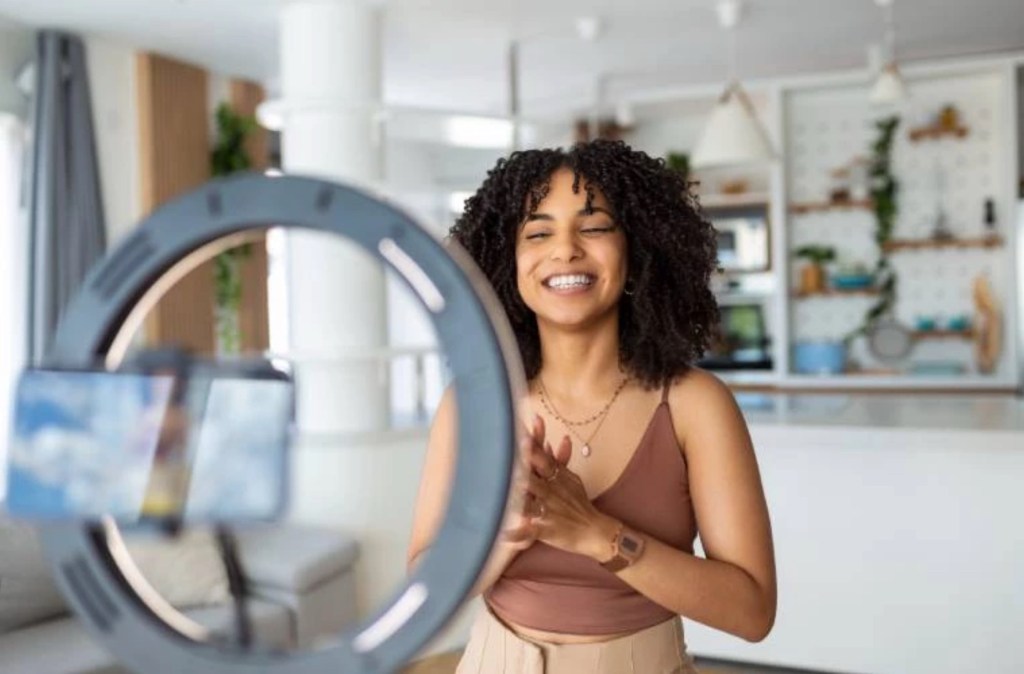
It’s not just famous influencers that can make a difference; newbie and micro influencers are also having a significant impact on fashion. With a comprehensive audience, they can connect more with their fans, which allows creators to make content that is more specific, honest, and relatable to their viewers. Nevertheless, feeling yourself and expressing who you are is more important than following trends.
Conclusion
Influencers today are both fashion and identity influencers. They help boost Gen Z confidence and make them feel secure to be their true selves. Don’t forget to be who you want to be; be yourself in a way that makes you happy because you don’t have to look like others to make yourself belong.
In the next blog, we will drag you into a subtopic, the impact of influencer culture. We will talk about how social media content shapes people’s consuming habits. See you in the next blog!
 Fashion
Leave a comment